Makar Sankranti 2026: A Fresh Start to India's Festival Cycle
As the new year begins, India's vibrant festival calendar kicks off with Makar Sankranti. This auspicious occasion arrives on January 15th in 2026. People celebrate it under different names across the country. In Punjab, they call it Lohri. South India knows it as Pongal. Other regions simply use Makar Sankranti. Each name carries deep cultural significance and traditional fervour.
The Astrological Meaning Behind Makar Sankranti
Makar Sankranti marks a special astronomical event. The Sun moves into the Capricorn zodiac sign. This transition signals the end of winter. Longer days begin after this point. The festival's name comes from two Sanskrit words. "Makar" means Capricorn. "Sankranti" means transition. People observe this joyous occasion with great enthusiasm throughout India.
Legends and Stories That Shape the Celebration
Indian festivals often feature profound stories. Makar Sankranti is no exception. One popular legend involves Sankarasur. This malevolent demon caused chaos across the Earth. Goddess Sankranti manifested to counter this menace. She vanquished the demon and restored peace.

Another tale comes from the Mahabharat. Bhishma Pitamah chose this day for his departure. He waited for Sankranti, also called Uttarayan, to leave his mortal form. These powerful narratives form the foundation of Makar Sankranti celebrations.
Diverse Rituals Across Indian States
Celebrated nationwide, Makar Sankranti features a myriad of customs and rituals. Each region adds its unique flavour to the festivities.
Sacred Baths and Holy Dips
Many people take sacred baths during Makar Sankranti. They visit the Ganges or other holy rivers. This practice aims to cleanse inner sins. In Bengal, the Ganga Sagar Mela begins around this time. Devotees perform morning pujas to the Sun god. They also take holy dips in the river.
Magh Mela in Allahabad
The famous "Magh Mela" commences in Allahabad. Visiting during this period is considered highly auspicious. Pilgrims gather for spiritual activities and rituals.
Bonfires and Bhangra in Punjab
Punjab celebrates Lohri with great pomp and fervour. Locals create bonfires on Sankranti eve. They perform rituals around the fire. People throw grains into the sacred flames. Vibrant Bhangra dances fill the air with energy.
Sweet Exchanges in Maharashtra
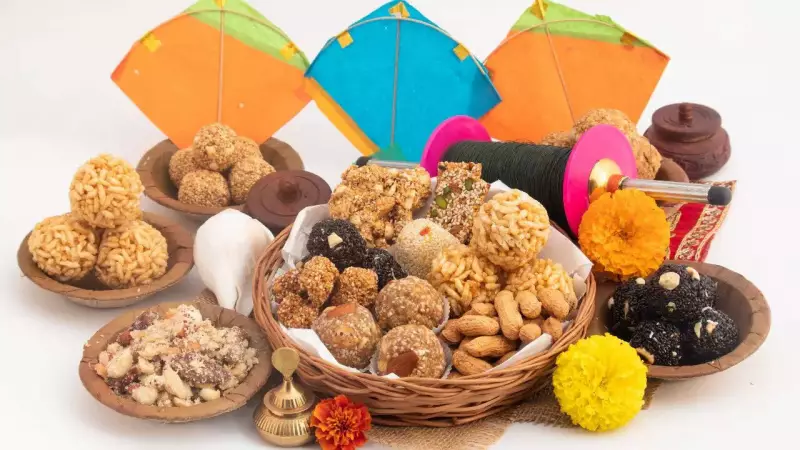
Maharashtrians exchange special treats during Makar Sankranti. Jaggery and sesame-flavored candies are popular gifts. Married women participate in traditional haldi-kumkum exchanges. They often buy new kitchenware as part of the custom.
Kite Flying in Gujarat
Kite flying takes center stage in Gujarat. The skies fill with colourful kites during Makar Sankranti. People exchange gifts and share delicious food. The atmosphere becomes festive and joyful.
Harvest Festivities in Tamil Nadu
Tamil Nadu and other southern states honour the harvest God. Villagers prepare traditional dishes like Pongal. They use freshly harvested produce for these special meals. The celebration focuses on gratitude for agricultural bounty.
Embrace the Festivities on January 15th
As Makar Sankranti approaches on January 15th this year, embrace the festivities with enthusiasm. Participate in age-old traditions like kite flying. Savour delicious seasonal foods. Connect with cultural roots through these meaningful rituals. The festival offers a perfect opportunity to celebrate India's rich heritage and welcome longer, brighter days ahead.