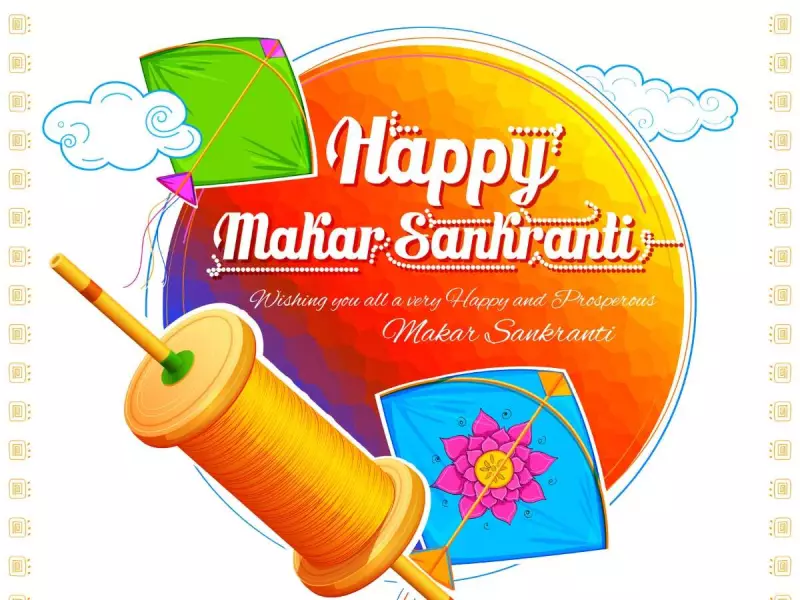
Makar Sankranti arrives on January 14 this year. This important festival marks the beginning of Uttarayan, the sun's northward movement. People across India celebrate it with great joy and devotion.
A Festival of Unity and Diversity
Makar Sankranti beautifully illustrates India's solidarity in diversity. Every state observes this harvest festival in its own unique way. Yet the common theme of gratitude for the harvest binds everyone together.
Devotees worship the Sun God on this auspicious day. They offer prayers and express gratitude for the earth's bounty. Many also worship Lord Vishnu and Goddess Lakshmi during Makar Sankranti celebrations.

2024 Makar Sankranti Date and Timings
The festival falls on Thursday, January 14. This corresponds to Magh Krishna Paksha Dwitiya tithi in the Hindu calendar.
Important timings include:
- Punya Kala begins at 8:30 AM and ends at 5:46 PM
- Maha Punya Kala runs from 8:30 AM to 10:15 AM
In the Gregorian calendar, Sankranti holds first position among festivals occurring in January. Its significance stems from multiple religious and cultural reasons.
Historical Roots and Significance
Legends say the festival derives its name from Sankranti, a deity who defeated the demon Sankarasur. The following day honors Devi's victory over another demon called Kinkarasur.
The Hindu Panchang provides detailed information about Sankranti. This almanac describes the deity's age, form, attire, and movements.
Makar Sankranti marks the sun's transition to the northern hemisphere. Hindus consider Uttarayan an extremely auspicious period. The Mahabharata mentions that Bhishma Pitamah chose this time to embrace death.
Sacred Rituals and Practices
Devotees take holy dips in sacred rivers across India. The Ganga, Yamuna, Godavari, Krishna, Cauvery, Shipra, and Narmada witness large gatherings.
People express gratitude to the Sun God for his life-giving rays. Major pilgrimage sites like Kashi, Triveni Sangam, and Ganga Sagar attract huge crowds. These ritual baths are believed to wash away sins.
The festival holds spiritual importance for attaining Moksha. It helps devotees break free from the endless cycle of birth and rebirth.
Agricultural Celebrations and Charity
Makar Sankranti honors farmers and their contributions to agriculture. Farmers worship their ploughs and bulls, seeking bountiful harvests.
The festival encourages charitable activities and generosity. People donate food, clothes, and essentials to the poor and needy. This auspicious time is considered ideal for performing good deeds.
Regional Celebrations Across India
Different states celebrate Makar Sankranti under various names and traditions.
Lohri in North India
Punjab and Haryana celebrate Lohri on January 13. People gather around bonfires in the evening. They throw puffed rice and popcorn into the flames while praying for happiness and prosperity.
Gujarat's Kite Festival
Gujarat hosts vibrant kite flying competitions. The skies fill with colorful kites during Makar Sankranti celebrations.
Uttar Pradesh's Donation Festival
Uttar Pradesh emphasizes charity during Makar Sankranti. The month-long Magh Mela begins at the Triveni Sangam in Prayagraj. Devotees fast and offer khichdi, while Gorakhpur hosts the famous Khichdi Mela.
West Bengal's Traditions
Bengalis donate til after taking holy dips. Gangasagar hosts massive fairs that attract pilgrims from across the country.
Tamil Nadu's Pongal
Tamil Nadu celebrates Pongal over four days. This colorful festival involves cooking the traditional Pongal dish and offering it to the Sun God.
Bihar's Khichdi Celebration
Bihar calls the festival Khichdi. People donate urad, rice, gold, and woollen clothes, each item holding special significance.
Maharashtra's Customs
Married women in Maharashtra observe special rituals. They donate cotton, oil, and salt to other married women during their first Sankranti after marriage.
Makar Sankranti truly reflects India's cultural richness. Each region adds its unique flavor while celebrating the common themes of harvest, gratitude, and spiritual renewal.