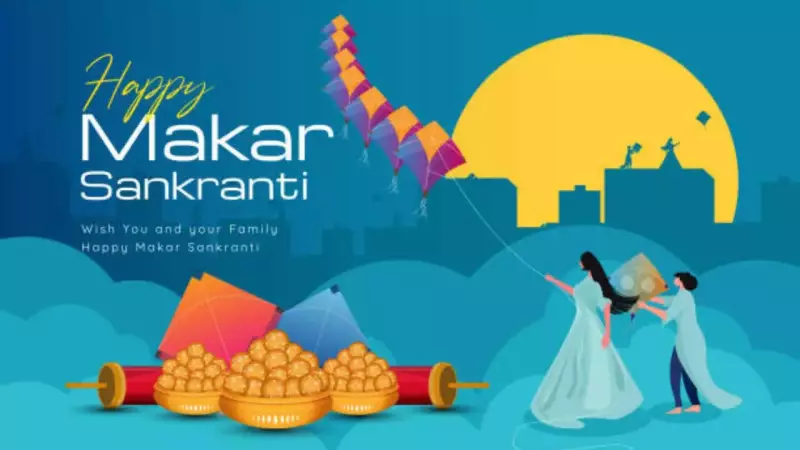
India prepares to welcome Makar Sankranti with open arms this January 14. This vibrant festival marks a significant astronomical event as the sun transitions into the Capricorn zodiac sign, known as Makar Rashi. The occasion signals the end of winter's chill and the beginning of longer, warmer days.
A Festival of New Beginnings and Togetherness
Makar Sankranti represents fresh starts and agricultural abundance. Farmers celebrate their harvest while families reunite to share warmth and happiness. The festival emphasizes gratitude for nature's bounty and strengthens community bonds.
Across the country, people engage in traditional activities that define this special day. The sky transforms into a colorful canvas as kites of all shapes and sizes take flight. Children and adults alike participate in this joyful sport, believing it helps ward off negativity and symbolizes overcoming life's obstacles.

Traditional Delights and Regional Specialties
Food plays a central role in Makar Sankranti celebrations. Families exchange sweets while uttering the phrase "Tilgul ghya, god god bola" - meaning "Take sesame and jaggery, and speak sweet words." This exchange promotes harmony and goodwill among loved ones.
The festival features several traditional treats:
- Tilgul: Small balls or bars made from roasted sesame seeds mixed with jaggery
- Chikki: A crunchy sweet combining jaggery with nuts like peanuts or sesame seeds
- Khichdi: In Uttar Pradesh, Bihar, and Gujarat, this simple rice and lentil dish symbolizes prosperity
- Sarson ka Saag with Makki ki Roti: Punjab's traditional winter meal of mustard greens with cornbread
Cultural Significance and Modern Celebrations
Makar Sankranti carries deep cultural meaning across different regions of India. The festival represents hope, prosperity, and the triumph of light over darkness. Evening gatherings often feature bonfires where families share stories and enjoy each other's company.
Beyond the physical celebrations, Makar Sankranti encourages spiritual reflection and gratitude. Many people use this occasion to express appreciation for their blessings and set positive intentions for the coming year.
The festival's universal themes of renewal and togetherness resonate with people of all ages and backgrounds. Whether through kite flying competitions, sweet exchanges, or family meals, Makar Sankranti creates lasting memories and strengthens social connections.
As January 14 approaches, communities across India prepare to embrace this auspicious day with traditional enthusiasm and contemporary spirit. The festival serves as a beautiful reminder to appreciate life's simple pleasures while looking forward to brighter days ahead.