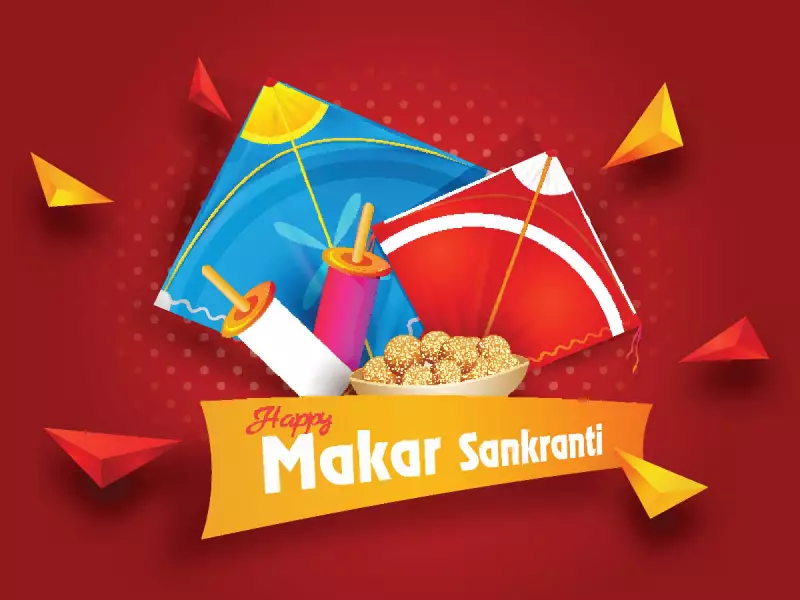
The vibrant festival of Makar Sankranti is almost here. Preparations are happening everywhere across India. This festival stands out because it follows the solar calendar. Most other Hindu festivals use the lunar cycle. Makar Sankranti happens every year in the second week of January. This year, the celebration falls on January 14.
A Festival for the Sun God
Makar Sankranti honors the deity Surya. It marks the sun's transition into the zodiac sign of Capricorn. This movement signals the end of winter. Longer, warmer summer days begin from this point. The festival is a major event for Hindus nationwide.
Different Names, Same Joy
India celebrates this festival under various regional names. In North India, people call it Maghi. States like Maharashtra, Goa, Andhra Pradesh, West Bengal, Karnataka, and Telangana know it as Makara Sankranti. Assamese communities celebrate Magh Bihu. In Tamil Nadu, the festival is called Thai Pongal. Despite the different names, the spirit of joy remains the same.

Traditional Customs and Celebrations
People observe many customs during Makar Sankranti. The sky fills with colorful kites as families enjoy flying them together. Special songs and folk music add to the festive atmosphere. Cooking plays a big role in the celebrations.
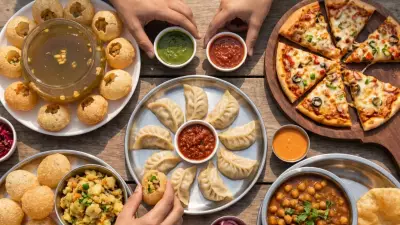
Households prepare delicious traditional dishes. These often include khichdi, various halwas, and til ke ladoo. These sweets made from sesame seeds and jaggery are particularly popular.
Pilgrimages and Holy Dips
Many devotees undertake pilgrimages on this auspicious day. They visit sacred cities like Haridwar, Prayagraj (Allahabad), Ujjain, Nashik, and Varanasi (Kashi). Taking a holy dip in rivers like the Ganges is considered very meritorious. People offer flowers, fruits, and sweets to the Sun God during their prayers.
The Start of the Festive Season
Makar Sankranti traditionally kicks off India's festive calendar. It brings communities together in celebration. The festival emphasizes gratitude for the sun's energy and the harvest. It is a time for family gatherings, sharing meals, and spreading goodwill.
As the sun begins its northward journey, people exchange warm wishes. They hope for new opportunities, prosperity, and happiness in the coming year. The festival truly embodies the spirit of renewal and joy.