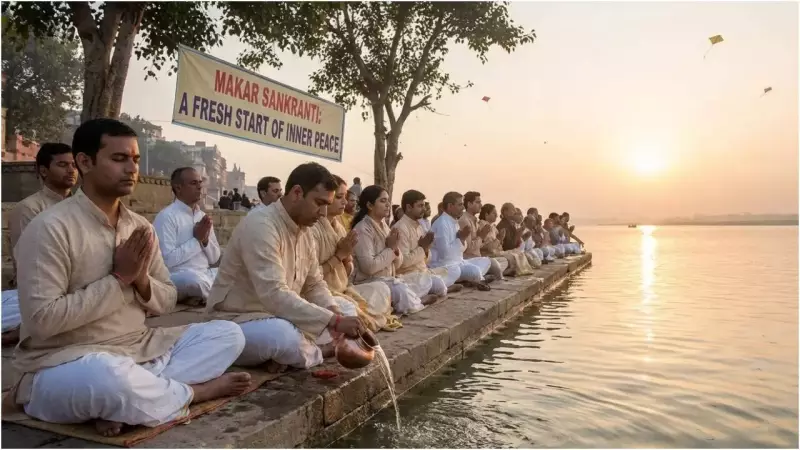
Makar Sankranti stands as a cherished festival across India, symbolizing purity, discipline, and a profound inner transformation. As the sun embarks on its northward journey, this day calls for a cleansing of habits, thoughts, and daily conduct. Many traditions emphasize restraint in specific actions and attitudes to align with the festival's serene essence.
Anger, Quarrels, and Harsh Words
People should steer clear of arguments, sudden bursts of anger, or sharp speech on Makar Sankranti. Harsh behavior is believed to weaken the calm and positive mood that defines this auspicious day. Maintaining a peaceful demeanor helps honor the festival's spirit.
Insulting or Disrespecting Anyone
Disrespecting others, whether they are poor, elderly, women, children, or anyone else, contradicts the core values of Makar Sankranti. The festival actively encourages kindness, humility, and respect in all interactions. Practicing these virtues fosters a harmonious environment.

Negative Thinking and Despair
Makar Sankranti symbolizes fresh beginnings and renewed hope. Holding onto jealousy, disappointment, or pessimistic thoughts does not align with this theme. Embracing optimism and letting go of negativity supports the festival's message of renewal.
Meat, Alcohol, and Intoxicants
From a religious perspective, Tamasic foods and intoxicants are best avoided during Makar Sankranti. Satvik meals are preferred, as they help keep the mind calm and the body light. This dietary choice enhances the day's spiritual focus.
Showing Off or Regretting Donations
Charity should be performed with a full and generous heart. Donating and then regretting it, or boasting about it for praise, is considered unfavorable. True giving comes from sincerity without expectation of recognition.
Ignoring Sunrise and Excessive Laziness
Sleeping through sunrise or spending the day in idleness is discouraged on Makar Sankranti. The festival has a close connection to the sun, and waking early is viewed as a mark of respect. Engaging in activities honors this celestial event.
Holding on to Old Grudges and Animosity
This auspicious time is ideal for reconciliation and letting go of past conflicts. Carrying forward resentment, revenge, or bitterness defeats the purpose of the day. Forgiving others promotes inner peace and harmony.
Lying, Deceit, and Misbehavior
Dishonesty, cheating, or unfair conduct is especially frowned upon during Makar Sankranti. Truthful and fair actions are strongly encouraged. Upholding integrity aligns with the festival's emphasis on purity.
Dirt and Uncleanliness
Neglecting cleanliness of the body, clothes, or home is not advised on this day. Clean surroundings are associated with inner purity and spiritual well-being. Maintaining hygiene reflects the festival's focus on renewal.
Mocking or Insulting Religious Practices
Making fun of worship, fasting, charity, or traditions is considered disrespectful and inappropriate on Makar Sankranti. Showing reverence for religious practices honors the festival's cultural and spiritual significance.
In summary, on Makar Sankranti, individuals are advised to avoid anger, ego, negativity, and impure habits. The festival carries a simple yet powerful message: live with peace, kindness, restraint, service, and a positive frame of mind. Embracing these values helps celebrate the day in its true spirit, fostering personal growth and community harmony.