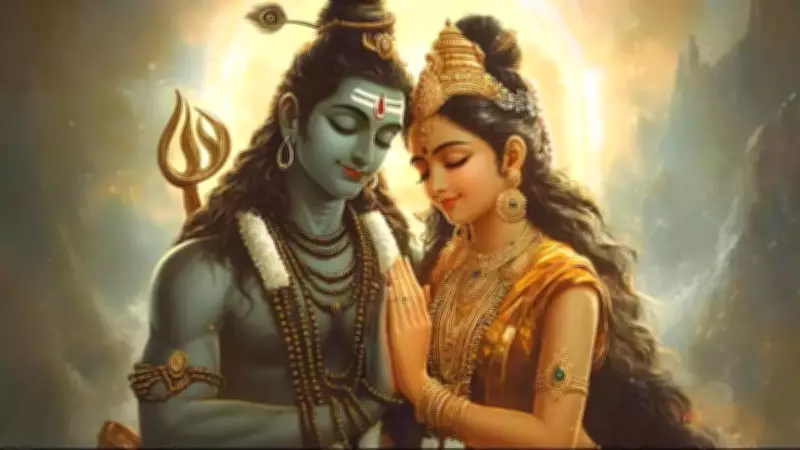
Mahashivratri 2026: A Comprehensive Guide to the Sacred Night of Lord Shiva
One of the most revered and major festivals in Hinduism, Mahashivratri, is set to be celebrated in February 2026. This auspicious occasion, dedicated to Lord Shiva and Goddess Parvati, marks a night of profound spiritual awakening and cosmic energy. Devotees across the globe observe rigorous fasts and engage in various religious activities to seek the divine blessings of Mahadev. In this detailed article, we explore the spiritual significance, puja rituals, and all essential muhurat timings for Mahashivratri 2026.
Mahashivratri 2026 Date and Puja Muhurat
In 2026, Mahashivratri will be celebrated on the Chaturdashi tithi of Krishna Paksha in the month of Phalgun, specifically on February 15, 2026. Below are the precise puja muhurat timings to help devotees perform rituals with accuracy:
- Chaturdashi Tithi Begins: February 15, 2026 - 05:04 PM
- Chaturdashi Tithi Ends: February 16, 2026 - 05:34 PM
- Ratri First Prahar Puja Time: February 15, 2026 - 06:11 PM to 09:23 PM
- Ratri Second Prahar Puja Time: February 16, 2026 - 09:23 PM to 12:35 AM
- Ratri Third Prahar Puja Time: February 16, 2026 - 12:35 AM to 03:47 AM
- Ratri Fourth Prahar Puja Time: February 16, 2026 - 03:47 AM to 06:59 AM
- Nishita Kaal Puja Time: February 16, 2026 - 12:09 AM to 01:01 AM
- Shivaratri Parana Time: February 16, 2026 - 06:59 AM to 03:24 PM
Spiritual Significance of Mahashivratri
Mahashivratri is celebrated as the union of Lord Shiva and Goddess Parvati, symbolizing divine love and cosmic balance. This festival holds immense religious and spiritual importance in Hinduism, often referred to as the great night of Shiva. Devotees observe strict fasts from dawn until parana time, offering prayers with deep devotion and purity. The night is believed to be charged with high cosmic energies, facilitating spiritual awakening, sin-cleansing, and the pursuit of moksha (liberation). Across India, people engage in chanting mantras, meditation, rudrabhishekam, and reciting tales of Shiva and Parvati, following traditional rituals to appease the deity.

Historical Legends and Mythology
The history of Mahashivratri is rich with mythological tales that underscore its spiritual depth:
- Shiva and Parvati's Divine Union: On this powerful night, Lord Shiva is believed to have married Goddess Parvati. Women seeking suitable matches often observe fasts and perform rituals to attract a husband like Shiva, while devotees offer prayers to both deities for blessings.
- The Cosmic Dance Night (Tandava): According to Hindu scriptures, Lord Shiva performed the Tandava on Mahashivratri, a cosmic dance representing the cycles of creation, preservation, and destruction.
- The Shiva Linga and the Hunter's Legend: A popular legend tells of a hunter who accidentally worshipped Shiva by dropping bilva leaves on a Shiva Linga while hiding in a tree. This sincere act led to his liberation, highlighting the value of devotion.
- Moksha and Spiritual Awakening: The astrological alignment on Mahashivratri encourages meditation and spiritual energy, with devotees fasting and praying to absolve past sins and achieve salvation.
Essential Puja Rituals for Mahashivratri 2026
To honor Lord Shiva on this sacred day, devotees follow specific rituals that enhance spiritual connection:

- Fasting: Observing a strict fast from dawn until parana time is common, with some opting for nirjala vrat (without water) or consuming only fruits.
- Shivalinga Abhishekam: Performing abhishekam to the Shivalinga using sacred items like panchamrit (a mixture of milk, curd, honey, sugar, and desi cow ghee), bel patra, and garlands is crucial.
- Chanting Mantras: Invoking Lord Shiva through mantras such as Om Namah Shivaya helps seek blessings from Shiva and Parvati.
- Vigil All Night (Jaagran): Staying awake through the night symbolizes conquering ignorance and darkness, often accompanied by devotional songs and prayers in temples.
- Reading Sacred Texts: Reciting stotrams like Shiva Tandav Stotram, Lingashtakam, and Shiva Chalisa is considered meritorious.
- Visiting Temples: Pilgrimages to prominent Shiva temples, such as Mahakaleshwar in Ujjain or Kashi Vishwanath in Varanasi, amplify the spiritual experience.
Frequently Asked Questions (FAQs)
When is Mahashivratri 2026?
Mahashivratri 2026 will be celebrated on February 15, 2026, corresponding to the Chaturdashi tithi of Krishna Paksha in Phalgun.
Why is Mahashivratri celebrated?
Mahashivratri commemorates the divine union of Lord Shiva and Goddess Parvati, marking the night when Shiva accepted Parvati as his wife and performed the cosmic Tandava dance, symbolizing eternal cycles and spiritual awakening.