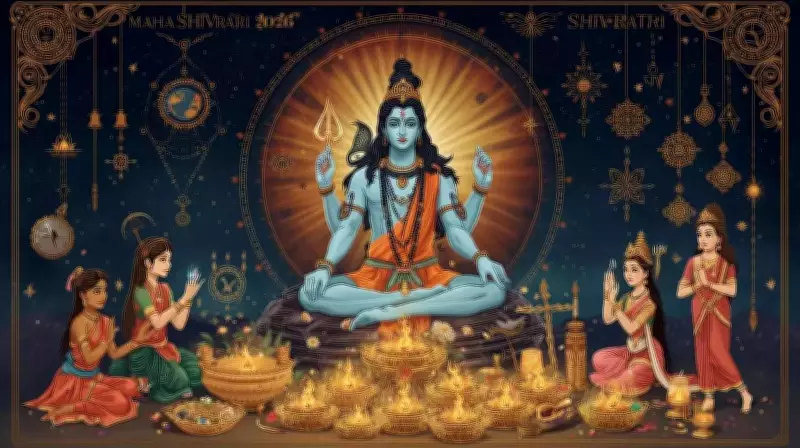
Maha Shivratri 2026: A Comprehensive Guide to the Sacred Festival
Maha Shivratri, one of the most prominent and revered festivals in Hinduism, is celebrated with immense devotion and spiritual fervor across India and beyond. This year, the auspicious occasion falls on February 15, 2026, marking the chaturdashi tithi of the Krishna Paksha in the Phalguna month. Known as "The Great Night of Shiva," Maha Shivratri symbolizes spiritual awakening, self-realization, and inner stillness, offering a powerful opportunity for devotees to enhance positivity and seek enlightenment.
Date and Time of Maha Shivratri 2026
The festival is dedicated to honoring Lord Shiva and Goddess Parvati, commemorating their divine union. In 2026, Maha Shivratri will be observed on February 15, with celebrations spanning the entire day and night. This date aligns with the lunar calendar, specifically the fourteenth day of the waning moon in the Hindu month of Phalguna, a period considered highly auspicious for spiritual practices.
Significance and History of Maha Shivratri
Maha Shivratri holds profound religious and spiritual significance, differing from other festivals through its emphasis on restraint and introspection rather than overt celebration. It represents the victory of light over ignorance, with devotees engaging in night vigils and fasting to alter their body, mind, and awareness in harmony. According to tradition, this night is when Lord Shiva performed the cosmic dance of Tandav, and it is believed to be a time for cleansing sins, attaining moksha (liberation), and spiritual enlightenment.

One popular legend recounts how a hunter, hiding in a tree, unintentionally worshipped Lord Shiva by dropping Bilva leaves onto a Shiva Linga, leading to his liberation and highlighting the power of sincere devotion. This story underscores the festival's theme of true dedication, regardless of one's circumstances.
Puja Vidhi and Rituals for Maha Shivratri
Devotees celebrate Maha Shivratri with various puja rituals designed to appease Lord Shiva and Goddess Parvati, fostering spiritual growth and blessings. Key practices include:
- Fasting: Many observe a strict fast, abstaining from food and water, to purify the body and mind.
- Mantra Chanting: Reciting sacred mantras such as the Panchakshari Mantra ("Om Namah Shivaya") and the Mahamrityunjaya Mantra to invoke Lord Shiva's blessings.
- Abhishekam: Performing the ritual bath of the Shiva Linga with sacred offerings, each symbolizing different virtues:
- Water (Ganga Jal): Represents tranquility and cleansing.
- Milk: Signifies blessings and nourishment.
- Honey: Embodies devotion and sweetness.
- Yogurt: Denotes health and prosperity.
- Bilva Leaves: The most revered offering, symbolizing dedication.
- Sandalwood Paste: Represents coolness and purity.
- Meditation and Prayers: Engaging in deep meditation and prayers throughout the night to enhance spiritual awareness.
- Night Vigil (Jagran): Staying awake all night to perform religious activities, retell stories of Lord Shiva and Mata Parvati, and participate in rudrabhishekam.
Celebrations Across India
Maha Shivratri is celebrated with grandeur in various cities, each with unique traditions and rituals. Major celebrations occur at renowned Shiva temples, including:
- Mahakaleshwar Temple in Ujjain: Hosts elaborate ceremonies and attracts thousands of devotees.
- Kashi Vishwanath Temple in Varanasi: A focal point for prayers and spiritual gatherings.
- Kedarnath: Known for its serene and devout observances in the Himalayas.
Devotees, especially single women, often follow specific rituals and fasts to seek a good husband, while acts of charity, such as giving food, clothing, and Dakshina to the underprivileged, are considered highly meritorious on this day.

Spiritual and Cultural Impact
Maha Shivratri is not merely a festival but a transformative spiritual journey. It encourages self-discipline, devotion, and community bonding, with recitations of stotrams like Shiva Tandav Stotram, Shiva Chalisa, and Lingashtakam believed to bring immense merit. The festival's emphasis on inner stillness and positivity makes it a cornerstone of Hindu culture, promoting values of enlightenment and harmony.
As Maha Shivratri 2026 approaches, devotees prepare to immerse themselves in its sacred rituals, seeking the divine blessings of Lord Shiva and Goddess Parvati for a life filled with peace, prosperity, and spiritual fulfillment.