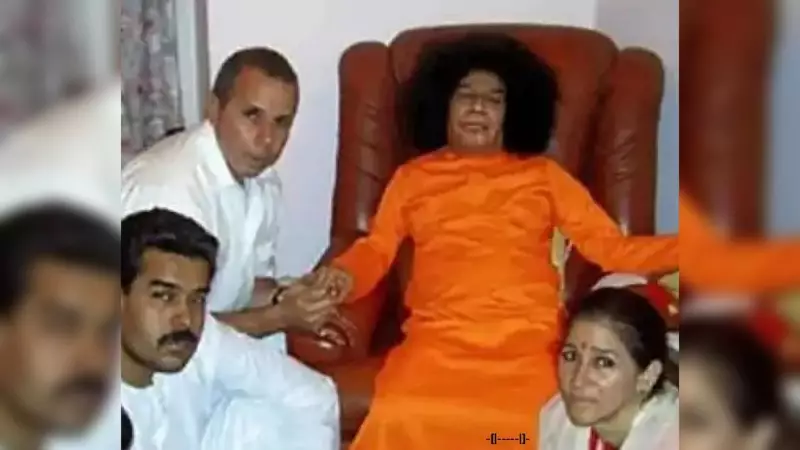
In a revelation that highlights deep spiritual connections between Venezuela and India, it has emerged that the recently captured Venezuelan President, Nicolas Maduro, and his wife once made a personal pilgrimage to seek blessings from the late spiritual leader Sathya Sai Baba.
A Pilgrimage to Puttaparthi
The visit by the Venezuelan head of state and his spouse took place at the Sathya Sai Baba ashram in Puttaparthi, Andhra Pradesh. This town is the global epicentre of the Sathya Sai movement, founded by the revered guru who passed away in 2011. The journey underscores a lesser-known facet of Maduro's personal life, revealing a quest for spiritual guidance that transcended his political career.
The Sai Central Trust officially acknowledged this historic visit, noting the significance of the couple's devotion. The Trust's records confirm that the Maduros participated in the spiritual activities and darshan that the ashram is famous for, joining millions of devotees from across the world who have made similar journeys.

Venezuela's Special Place in the Sai Global Family
In a statement, the Sai Trust provided crucial context, emphasising that Venezuela is not just another nation on its global map. The Sathya Sai movement is actively present in 113 countries worldwide, but Venezuela is recognised as holding a particularly special place among them. This indicates a strong and established base of followers and spiritual work within the South American nation, fostered over many years.
The movement, built on the human values of truth, righteousness, peace, love, and non-violence, has found resonance in diverse cultures. The special mention of Venezuela suggests a deep and impactful engagement, potentially dating back to the era of Maduro's predecessor, Hugo Chávez, or even earlier.
Spiritual Diplomacy and Lasting Connections
This news, emerging amidst the dramatic political developments leading to Maduro's capture, adds a profound cultural and spiritual dimension to India-Venezuela relations. It moves beyond the typical discourse of diplomacy, trade, and geopolitics, showcasing a soft-power link rooted in faith and philosophy.
The incident serves as a reminder of India's unique role as a global spiritual destination. World leaders, amidst their demanding political lives, have often sought solace and wisdom in the country's ancient traditions and modern gurus. The Maduros' pilgrimage to Puttaparthi fits into this long-standing pattern, highlighting how Indian spiritualism continues to exert a quiet influence on the international stage.
While the immediate future of Venezuela's political landscape remains uncertain, this shared spiritual history remains a permanent thread in the fabric connecting the two nations. The Sathya Sai organisation's work in Venezuela, cherished enough to be noted as 'special', is likely to continue serving its community irrespective of the political tides, as it has done for decades across the world.