The Architectural Tapestry: How Kolkata Shaped Lucknow's Skyline
Lucknow's magnificent European architecture represents an exquisite fusion of styles – Neo-Classical grandeur, Gothic elegance, and Indo-Saracenic splendor. While the Nawabs initiated this architectural revolution, the British added their distinctive twists. However, there exists a fascinating historical twist that few recognize: Kolkata played a pivotal role in shaping Lucknow's architectural beauty.
The 1700s Inspiration: Calcutta's Blueprint for Lucknow
During the 1700s, Lucknow's architects embarked on a remarkable journey to Kolkata, then known as Calcutta, seeking inspiration from its European-style buildings. They meticulously studied Calcutta's architectural marvels, weaving elements of its distinctive charm into Lucknow's urban fabric. This unexpected exchange left an indelible mark on the city's architectural identity.
As Dr. Neeta Das, a distinguished conservation architect who meticulously re-traced the Qaiserbagh complex in Lucknow, reveals: "In the 1700s, when architects in Lucknow were undertaking new constructions, they traveled to Calcutta specifically to reference its European architecture. Consequently, a significant portion of Lucknow was essentially built with Calcutta's influence."

Bengali Migration: The Cultural Bridge Between Two Cities
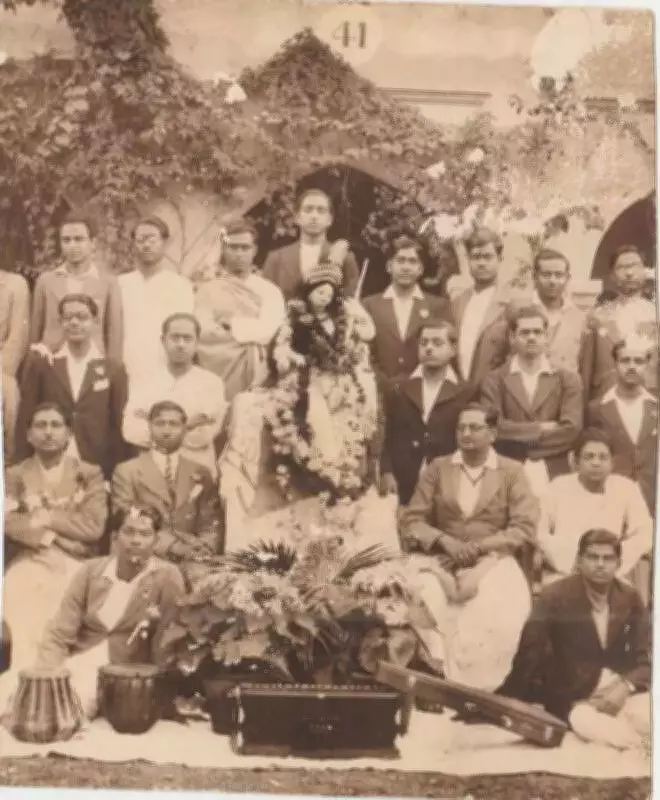
Long before Lucknow became renowned for its delectable kebabs and nawabi charm, the city had already established deep connections with Bengal. As early as the 1820s, Nawab Nasir-ud-Daula's Tara Wali Kothi observatory attracted skilled professionals from Bengal. Following the 1857 uprising, as the British Raj consolidated its power, Bengalis seized emerging opportunities, profoundly influencing Lucknow's cultural tapestry.
Today, numerous Bengalis – ranging from highly skilled professionals to workers seeking better opportunities – form an integral part of Lucknow's social fabric. These distinct Bengali neighborhoods have significantly enriched the city's composite culture through their unique cultural presence and traditions.
Historical Documentation: The First Bengali Settlers
Historian and documentary filmmaker Eshan Sharma provides crucial historical context: "The earliest recorded group of people from Bengal to arrive in Lucknow consisted of Kalicharan Chattopadhyaya, Durgacharan Bandyopadhyay, Chandrashekhar Mitra, and Madhav Das. Their arrival occurred during the reign of Nawab Nasir-ud-din Haider Shah between 1827 and 1837."
These individuals, trained in astrology and astronomy, were appointed to serve at the royal observatory. Their responsibilities included maintaining sophisticated scientific instruments, observing celestial phenomena, and preparing horoscopes for the Awadh court.
The Migration Turning Point: Tara Wali Kothi's Legacy
While migration between Lucknow and Kolkata is not a new phenomenon, experts identify a crucial turning point when Nawab Nasir-ud-Daula established Tara Wali Kothi. This initiative attracted four Bengal experts to Awadh, effectively kickstarting a sustained migration trend. From Model House Park, Hewett Road, and Makboolganj to Sunderbagh, Lucknow's Bengali hubs have maintained vibrant communities since that period.
Over subsequent decades, these communities expanded to areas including Rabindrapalli, Aashiyana, Nazarbagh, Aliganj, Pathak Road, and beyond, creating a lasting cultural imprint on the city.
Cultural Evolution: From Historical Events to Personal Stories
The cultural bond between Lucknow and Kolkata has continuously evolved through vast historical events and individual narratives encompassing food, culture, and art. This rich heritage will be celebrated at the Mahindra Sanatkada Lucknow Festival 2026, which aims to explore Lucknow through diverse perspectives, uncovering its many cultural nuances.

Tasveer Hasan, director of the Mahindra Sanatkada Lucknow Festival, observes: "Generations of Bengalis who made Lucknow their home, whether before Independence or in more recent years, represent a unique cross-cultural fusion. They share a profound love for Awadhi culture while preserving elements of Calcutta within them. This dual heritage manifests through their language, cultural practices, traditions, and culinary preferences, particularly their fondness for mishti (sweets)."
Nawab Wajid Ali Shah: The Architect of Cultural Exchange
Nawab Wajid Ali Shah served as a crucial bridge between Lucknow and Calcutta. Although his mission to reclaim Awadh ultimately failed, it sparked a remarkable cultural exchange that continues to resonate today.
Hasan explains a lesser-known historical fact: "Contrary to popular belief, Nawab Wajid Ali Shah's relocation to Bengal represented a strategic attempt to reclaim Awadh. Following the 1857 revolt, after his release from Fort William, he recreated Lucknow's splendor along the Hooghly River, transporting its distinctive culture and architecture to Calcutta."
This cultural transplantation transformed the area, with ustaagars crafting exquisite garments, kite makers showcasing their artistry, Lucknow's aromatic spices permeating the air, and khayal and thumri melodies blending with kathak rhythms. Essentially, it became a vibrant slice of Lucknow transplanted within Kolkata.
The Tagorean Legacy: Literary and Cultural Connections
Rabindranath Tagore's visits to Lucknow between 1914 and 1935 were not mere fleeting stops – they forged a deep, enduring connection that left an indelible mark on the city's cultural consciousness. To this day, Lucknow cherishes this bond, keeping Tagore's literary and cultural legacy alive.
The Mahindra Sanatkada Lucknow Festival 2026 will feature Taki Sanad Rahe, a special series examining historical figures who shaped cultural conversations across the literary, artistic, and social traditions of both Lucknow and Kolkata.
Interestingly, Tagore's Nobel Prize victory illuminated India's literary landscape, and merely a month later, Salik Lucknawi was born in Lucknow. This progressive writer and Padma Shri awardee, with his strong foundation in Urdu and Persian, moved to Kolkata for higher education, transforming into a cultural powerhouse. He immersed himself in Kolkata's vibrant atmosphere, witnessing and participating in some of the 20th century's most significant cultural shifts.
Durga Puja Roots: Cultural Integration in Lucknow
In 1856, the British annexation of Awadh played a crucial role in strengthening connections between Lucknow and Calcutta. The British administration encouraged Bengalis to migrate to Awadh, recognizing their compatibility with British administrative systems. Over time, Bengalis became integral to Lucknow's administration and cultural landscape, introducing Durga Puja and a shared appreciation for rosogulla.
Historian Eshan Sharma elaborates: "Kalicharan Chattopadhyaya, among the earliest recorded Bengalis in Lucknow, played a significant role in introducing the public observance of Durga Puja and Kali Puja to the city."
Biryani: Culinary Variations with Shared Heritage
The beloved biryani dish manifests differently in Lucknow and Kolkata, reflecting distinct culinary traditions while sharing common roots. Lucknow's version emphasizes delicate spices and tender meat, while Kolkata's adaptation incorporates potatoes and eggs, creating unique flavor profiles.
As Soumyadeep Roy, a visual artist from Kolkata, insightfully notes: "Beyond the apparent differences, it's the shared passion for food that fundamentally unites Lucknow and Kolkata." This culinary connection symbolizes the deeper cultural bonds that have developed between these two historically rich cities.