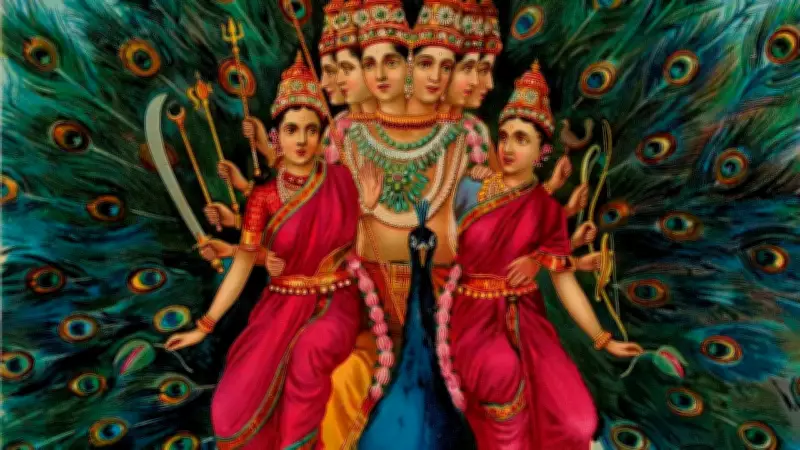
Six Sacred Names of Lord Kartikeya and Their Symbolic Meanings
In the rich tapestry of Hindu mythology, Lord Kartikeya stands as a prominent and revered deity. Known as the son of Lord Shiva and Goddess Parvati, he occupies a significant position as the God of War who leads the celestial deities. This article delves into the six divine names of Lord Kartikeya, exploring their profound meanings and spiritual symbolism that have captivated devotees for centuries.
Murugan: The Embodiment of Divine Beauty
Murugan represents one of the most celebrated names for Lord Kartikeya, particularly in South India. This name symbolizes divine beauty, eternal youth, and profound wisdom. The term Murugan evokes the deity's radiant appearance and his role as a beacon of spiritual enlightenment, reminding devotees of the beauty inherent in divine consciousness.
Skanda: The Warrior Spirit in Action
The name Skanda derives from the Sanskrit word meaning "to jump" or "to attack," representing courage, action, and martial prowess. This name commemorates Lord Kartikeya's legendary role as a fearless warrior who vanquished the demon Tripurasura. Skanda embodies the dynamic energy required to overcome obstacles and protect righteousness in the cosmic order.

Subramanya: The Auspicious Guide to Knowledge
Subramanya translates to "the auspicious one" and signifies Lord Kartikeya's role as a spiritual leader and bestower of knowledge. Worshipped as a divine guide who removes ignorance, Subramanya represents the path to enlightenment. Devotees believe that chanting this name brings blessings that dispel negativity and illuminate the mind with spiritual wisdom.
Sanmukha: The Six-Faced God of Sensory Mastery
Sanmukha refers to Lord Kartikeya's unique manifestation with six faces, each symbolizing a distinct divine quality. These faces represent mastery over the five senses - sight, hearing, smell, taste, and touch - along with the mind. The six faces also signify omnipresence and the deity's ability to perceive reality from multiple dimensions simultaneously.
Kumara: The Eternal Youth and Vital Force
Kumara means "the youth" or "the prince," representing Lord Kartikeya's eternal youthfulness and vitality. This name symbolizes the rejuvenating cosmic forces, boundless energy, and perpetual vigor that the deity embodies. Kumara reminds devotees of the ever-renewing nature of spiritual energy and the freshness of divine consciousness.
Gangeya: The Pure Connection with Goddess Ganga
Gangeya establishes Lord Kartikeya's sacred connection with Goddess Ganga, who played a crucial role in his mythological birth. This beautiful name signifies purity, divine origin, and the flowing grace that characterizes both the deity and the sacred river. Gangeya represents the cleansing, purifying aspects of spiritual practice and the uninterrupted flow of divine blessings.
These six names collectively paint a comprehensive picture of Lord Kartikeya's multifaceted nature in Hindu tradition. From warrior to wisdom-giver, from eternal youth to sensory master, each name reveals a different aspect of this important deity's character and spiritual significance. Understanding these names provides deeper insight into Hindu devotional practices and the symbolic language of mythology that continues to inspire millions of followers worldwide.