London's Museum of Edible Earth Invites Visitors to Taste Soil in Unique Exhibition
At first glance, it might sound like an eccentric publicity stunt, but in the heart of central London, a groundbreaking exhibition is inviting visitors to participate in an activity deeply rooted in human history: tasting soil. The Museum of Edible Earth, currently on display at Somerset House, assembles edible earth samples from across the globe, transforming them into a sensory and educational journey that challenges modern perceptions of food.
What Is the Museum of Edible Earth?
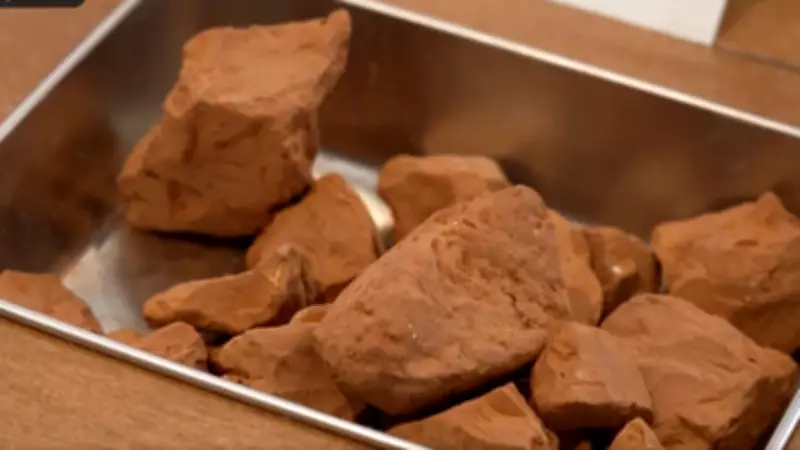
The Museum of Edible Earth is an interdisciplinary project conceived by artist and researcher masharu. It features an expanding archive of over 600 edible soil samples collected from more than 40 countries. Each sample is meticulously documented with cultural, historical, and chemical context, presenting soil not as a taboo or strange substance, but as a meaningful material with rich significance.
Visitors engage with soil through multiple senses—sight, smell, texture, and taste—turning the exhibition into a fully immersive experience that seamlessly blends art installation with scientific inquiry. This approach encourages a deeper appreciation of soil beyond its conventional role.

The Global History of Eating Earth
While eating soil may seem unusual in contemporary urban environments, the practice of geophagy has been documented for centuries across Africa, South America, Asia, and parts of Europe. Anthropologists have noted its use in traditional medicine to alleviate digestive issues, as a source of essential minerals like iron and calcium, and in cultural rituals or pregnancy-related cravings.
In some regions, specially prepared clay is even sold in markets as a consumable product. The exhibition highlights these traditions to demonstrate that soil consumption is not a fringe behavior but a culturally embedded practice with profound historical depth.
What Does Soil Actually Taste Like?
One of the most fascinating aspects of the exhibition is its reframing of soil as a sensory experience. Different types of earth offer distinct flavor profiles. For instance, clay can taste smooth and slightly metallic, chalky soils may feel dry and mineral-heavy, and volcanic earth can have a smoky or earthy depth.
Each sample is accompanied by tasting notes, similar to those used for wine or coffee, guiding visitors to engage with soil in a structured and thoughtful manner. Scientific research has explored why humans and animals consume soil, with explanations ranging from nutrient provision to toxin binding in the digestive system.
Is It Safe to Eat Soil?
The organizers emphasize that the tasting experience is carefully controlled and optional. Visitors are guided through the process, and the soils provided are selected with safety in mind, sourced from reputable locations to minimize risks.
However, health experts caution against casual soil consumption outside such curated settings, as contaminants like heavy metals, bacteria, and parasites can pose dangers. The exhibition aims to educate and provoke thought, not to encourage everyday consumption.
A Living Archive of Human Experience
A unique element of the exhibition is its participatory nature. Visitors are invited to leave their own tasting notes and reactions, contributing to an evolving archive of how people perceive soil. This transforms the exhibition into a collaborative project where science, culture, and personal experience intersect, fostering a broader understanding of humanity's relationship with the ground beneath our feet.
Sustainability and Environmental Reflection
The exhibition also carries a strong environmental message. Many of its components are crafted from recycled materials, including compost derived from previous installations and organic waste. By focusing on soil, it draws attention to the foundation of ecosystems and agriculture, encouraging visitors to view soil not as dirt, but as a vital resource that supports life, food systems, and environmental balance.

Conclusion
The Museum of Edible Earth has sparked widespread curiosity online, driving conversations across social media. While the initial shock factor attracts attention, the deeper appeal lies in its ability to connect science, culture, and everyday experience. It challenges ingrained ideas about cleanliness, food, and nature, prompting visitors to question assumptions they may never have considered before.
More than just an unusual attraction, this exhibition is a thoughtful exploration of history, science, and sustainability. By inviting people to taste soil, it turns an overlooked material into a powerful lens through which to examine culture, health, and humanity's enduring connection to the planet.