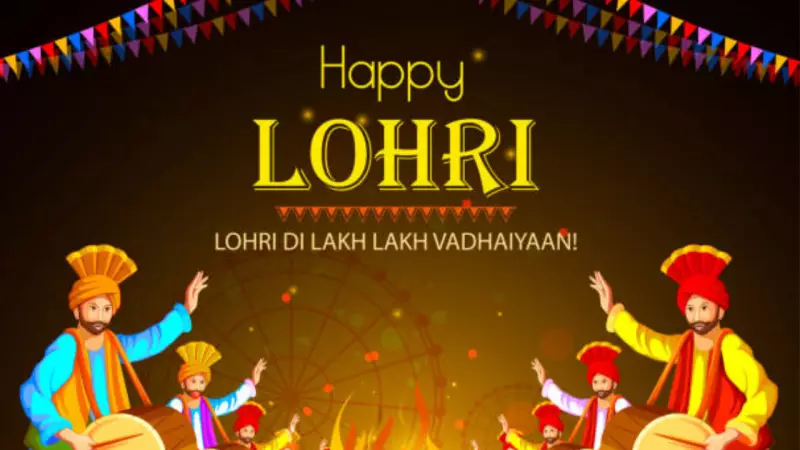
As the chill of January deepens, North India erupts in a vibrant celebration of warmth, community, and gratitude. The festival of Lohri, observed with immense fervor, heralds the end of the winter solstice and the arrival of longer, sunnier days. Primarily celebrated in the states of Punjab, Haryana, and parts of Himachal Pradesh, this folk festival is a colorful tapestry of ancient agricultural traditions and contemporary communal joy.
The Agricultural Roots and Significance of Lohri
At its heart, Lohri is a harvest festival, a time-honored thanksgiving for a bountiful yield. It symbolizes the conclusion of the winter cropping season, with the bonfire representing a plea to the sun god for warmth and prosperity. The festival usually falls in mid-January every year, aligning with the end of the coldest period. This timing is not incidental; it marks a crucial turning point for farmers, as the days begin to lengthen, promising better conditions for the upcoming Rabi crop. The celebration is, therefore, deeply intertwined with the earth's cycles and the agrarian lifestyle of the region.
Rituals, Feasts, and Celebratory Fervor
The Lohri night is centered around the ceremonial bonfire. Families and communities gather around the roaring flames, performing the ritual of offering sesame seeds (til), gur (jaggery), and rewari into the fire. This act is believed to invoke blessings for prosperity, fertility, and abundance in the coming year. The atmosphere quickly transforms into one of unbridled joy with the beats of the dhol.

Traditional folk dances like the energetic Bhangra by men and the graceful Gidda by women take center stage, with people singing popular folk songs that echo tales of harvest and valor. No Lohri celebration is complete without the quintessential feast. People savor hearty winter delicacies, most notably the classic combination of sarson da saag (mustard greens) and makki di roti (cornbread), which epitomizes the season's harvest.
Transcending Origins: A Festival of Community and Light
While rooted in agriculture, Lohri has beautifully evolved into a broader celebration of life, light, and the communal spirit. It serves as a powerful social glue, strengthening bonds within families and neighborhoods. The festival provides an opportunity for people to come together, share warmth, express gratitude, and collectively look forward to brighter days. The bonfire's flames are seen as purifying, burning away past worries and illuminating the path to a positive future filled with camaraderie and shared happiness.
From its humble beginnings in the wheat fields of Punjab to its widespread celebration across cities, Lohri stands as a testament to India's rich cultural heritage. It is more than just a festival; it is an emotion—a vibrant, noisy, and warm embrace that marks the triumph of light over darkness and community over solitude.