The vibrant and energetic festival of Lohri is set to illuminate North India on January 13. Primarily celebrated by the Sikh and Hindu communities, this joyous occasion heralds the end of the winter solstice and celebrates the harvesting of the rabi crops. It is a time of community, gratitude, and welcoming the sun's return with longer, warmer days ahead.
The Meaning and Legendary History of Lohri
The origin of the name 'Lohri' is steeped in folklore. One popular belief traces it to the word 'loh', meaning a large iron griddle used for making chapatis during community meals. Another tale links it to 'Loi', the wife of the saint-reformer Kabir Das.
However, the festival's heart beats to the legend of Dulla Bhatti, a heroic figure from Punjab who rebelled against the Mughal Emperor Akbar. Revered as a savior for his bravery, he is immortalized in folk songs sung around the Lohri bonfire, with people expressing their gratitude for his noble deeds.

Significance and Auspicious Celebrations
Lohri holds profound importance as a harvest festival and a marker of the sun's northward journey. People worship the fire and the sun, thanking them for a bountiful harvest. The festival is considered especially auspicious for newlywed brides and newborn babies, symbolizing fertility and new beginnings. For farmers, it marks the culmination of their hard work in the fields.
According to the traditional Indian calendar, Lohri falls in the month of Pausha and is closely followed by the kite-flying festival of Makar Sankranti.
How Lohri is Celebrated: Bonfires, Feasts, and Joy
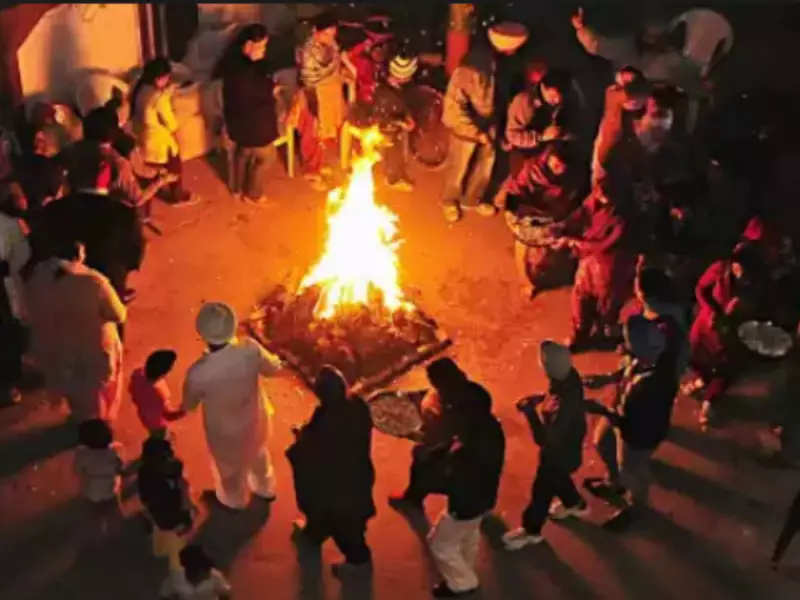
Traditional Lohri celebrations are a sensory delight. As the sun sets on January 13, communities gather to light a massive bonfire in an open yard. People dress in bright, colorful traditional attire and circle the fire, singing lively folk songs dedicated to Dulla Bhatti.
As a ritual, they offer sesame seeds, jaggery, and rewaries into the flames, praying to the fire god for prosperity and abundance for their land. The festivities continue with singing and dancing until the fire subsides.
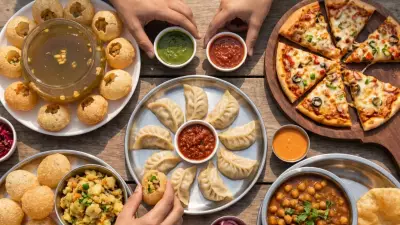
The celebration is incomplete without a grand feast and sharing of treats. Key items include:
- Sugarcane products like gajak and jaggery, made from the freshly harvested crop.
- Til, peanuts, and popcorn distributed as prasad.
- A traditional dinner featuring the iconic combination of makki ki roti and sarson ka saag.
The spirit of Lohri is strengthened as people exchange greetings, gifts, and sweets with family and friends, strengthening community bonds. Here's wishing everyone a very Happy and prosperous Lohri!