As the chill of January deepens, North India gears up for one of its most vibrant and joyous celebrations – Lohri. Primarily observed in the states of Punjab, Haryana, and the national capital region of Delhi, this festival holds immense cultural and religious significance, especially for the Sikh community. Marked by bonfires, music, dance, and feasting, Lohri is a heartfelt tribute to the sun and the earth for a bountiful harvest.
The Significance and Historical Roots of Lohri
Lohri is celebrated annually on the 13th or 14th of January. This date is strategically chosen as it marks the end of the winter solstice and the beginning of longer, warmer days. For the agrarian community, it coincides with the harvesting of rabi crops, making it a crucial festival for farmers who express their gratitude for nature's bounty.
The origin of the festival's name is intriguing. Some folklore suggests the word 'Lohri' stems from 'Lo', referring to a large griddle or tava used to prepare communal feasts. The festival's spirit, however, is deeply intertwined with the legendary tale of Dulla Bhatti, a folk hero from Punjab who rebelled against the Mughal Emperor Akbar. Revered for his bravery and acts of rescuing oppressed girls, Bhatti is immortalized in the traditional songs sung around the Lohri bonfire, making him a central figure in the celebrations.

Rituals and Celebrations: Fire, Food, and Festivity
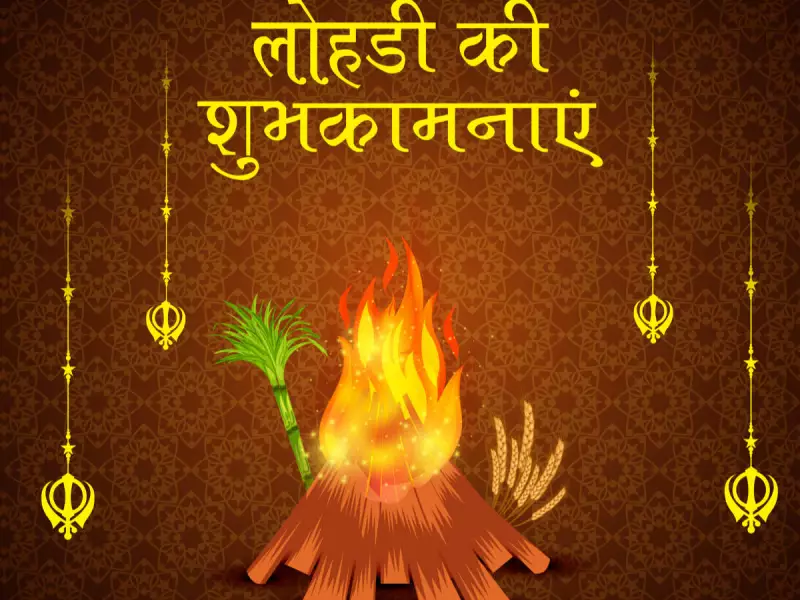
The festivities reach their peak in the evening with the lighting of a massive bonfire in courtyards and open spaces. In a symbolic ritual, small idols of the Lohri goddess, crafted from cattle dung, are placed beneath the fire. Families and communities gather around the sacred flames, performing the traditional parikrama (circumambulation).
As they circle the fire, people offer sesame seeds, jaggery, and revari into the flames, praying for prosperity and abundance. The air fills with the rhythm of dhol and the energy of Bhangra and Gidda dances. This day is considered particularly auspicious for newlyweds and newborn babies, who receive special blessings and gifts.
The Lohri Feast: A Culinary Delight
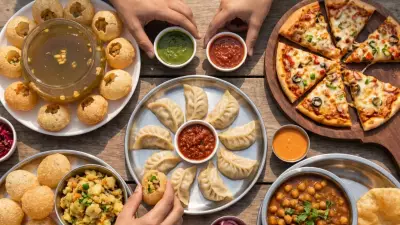
No Indian festival is complete without a grand feast, and Lohri is no exception. The celebration is synonymous with a traditional meal that highlights the winter harvest. The star attraction is the combination of Makki ki roti (flatbread made from cornmeal) and Sarson ka saag (mustard greens curry).
Sweets and snacks made from sugarcane and sesame, such as gajak, jaggery, and rewari, are generously distributed among family, friends, and neighbors. These treats symbolize the sweetness and joy that the festival brings into everyone's lives.
Lohri is more than just a festival; it's a powerful expression of community, gratitude, and the joyous hope for a prosperous future. It strengthens social bonds and passes rich cultural traditions from one generation to the next, keeping the spirit of Punjab and North India alive and glowing as brightly as its iconic bonfire.