As the winter chill deepens across North India, communities prepare for a night of warmth, gratitude, and vibrant celebration. The festival of Lohri transforms neighborhoods with the crackle of bonfires, the rhythmic beats of Bhangra, and the sweet aroma of traditional treats. This beloved harvest festival acts as a collective, joyous farewell to the coldest days and a welcome to the sun's northward journey.
When and Why is Lohri Celebrated?
In 2026, Lohri will be celebrated on the night of Tuesday, January 13, leading into Wednesday, January 14. The date is determined by the Hindu calendar, falling on Paush-Purnima, the last full moon of the month Paush. It directly precedes Makar Sankranti, which in 2026 will be observed on January 14.
At its heart, Lohri is a thanksgiving festival for farmers. It marks the end of the winter solstice and celebrates the harvesting of rabi crops like wheat, mustard, and sugarcane. Primarily observed by Punjabi, Sikh, and Hindu communities in states like Punjab, Haryana, Delhi, and Himachal Pradesh, the festival symbolizes gratitude for a bountiful harvest and prayers for future prosperity.

The Legends, Rituals, and Celebrations
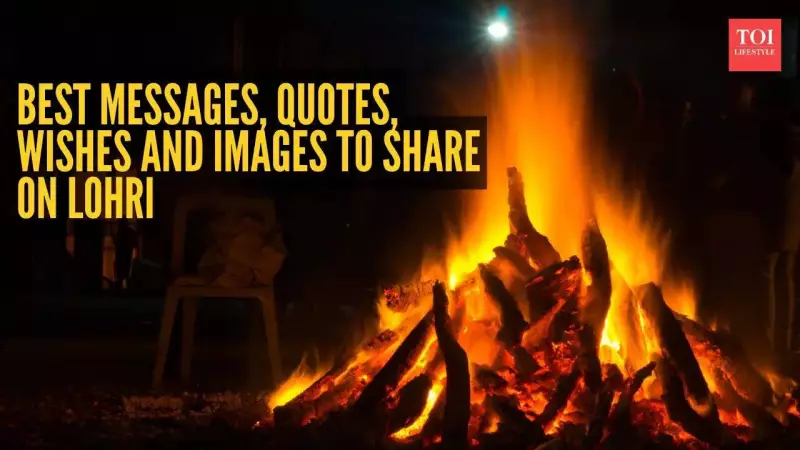
The bonfire, or Lohri, is the central ritual. Families and communities gather around it, offering prayers, tossing in offerings like popcorn and rewri, and dancing to folk songs. The flames represent the return of longer, brighter days.
A key cultural element is the celebration of the folk hero Dulla Bhatti, a Robin Hood-like figure revered for rescuing village girls. His tales are kept alive through joyful folk songs, especially the popular "Sundar-Mundri," sung by children as they go house-to-house collecting treats.
The festival holds special significance for newlyweds and first-time mothers, who receive gifts and blessings for a happy and prosperous life ahead. Families collectively pray for fertile lands, healthy children, and success in the coming year.
A Feast for the Senses: Lohri Food and Festivities
No Indian festival is complete without its signature dishes, and Lohri is a culinary delight. The feast is a celebration of winter produce and local flavors.
- Til-gud ladoos: Sweet balls made from sesame seeds and jaggery symbolize the wish for a sweet and harmonious life.
- Sarson da saag and makki di roti: This iconic duo of mustard greens and cornbread is a winter staple and a Lohri essential.
- Gajak and Rewri: Other crunchy, sweet treats made from sesame and jaggery that are shared among everyone.
The air fills with energy as people perform Bhangra and Gidda, traditional Punjabi dances, around the fire. The combination of delicious food, lively music, and communal warmth makes Lohri a deeply memorable experience.
From its roots as a farmer's thanksgiving to its modern expression as a night of family bonding and cultural pride, Lohri beautifully blends gratitude, joy, and hope. It is a vibrant, warm-hearted tradition that strengthens community bonds and optimistically heralds the promise of a new season.