Lohri 2026: Celebrating Harvest and Heroism in Punjab
Every January, as winter's chill begins to loosen its hold on northern India, the warm glow of Lohri candles illuminates Punjab. Villages, towns, and cities across the region come alive on January 13th for this annual festival. While many know Lohri for its vibrant music, energetic dances, and delicious food, the celebration carries profound cultural meaning rooted in ancient folklore.
The Heart of Lohri: Dulla Bhatti's Enduring Legacy
Lohri centers around the legendary figure of Dulla Bhatti from Punjabi mythology. His story gives the festival deeper significance through tales of courage, justice, and compassion. At its core, Lohri commemorates resistance and community values. This celebration honors both nature's bounty and fundamental human virtues.
The legend of Dulla Bhatti fits perfectly with Lohri's spirit because it embodies resistance against injustice, protection for vulnerable people, and strong community responsibility. These themes resonate powerfully during the festival celebrations.

Agricultural Roots and Seasonal Significance
Lohri connects intimately with northern India's agricultural calendar. The festival aligns closely with the rabi season and its crucial crops like wheat and sugarcane. These crops form the economic backbone for Punjab, Haryana, Himachal Pradesh, and parts of Delhi.
Farmers celebrate Lohri to acknowledge their accomplishments and express gratitude for their harvests. They also seek blessings for success in the coming farming season. The festival timing coincides with the sun's northward movement, symbolizing rebirth, warmth, and renewed optimism. This celestial shift reinforces the celebration of light overcoming winter's darkness.
The Central Bonfire: Ritual and Community Gathering
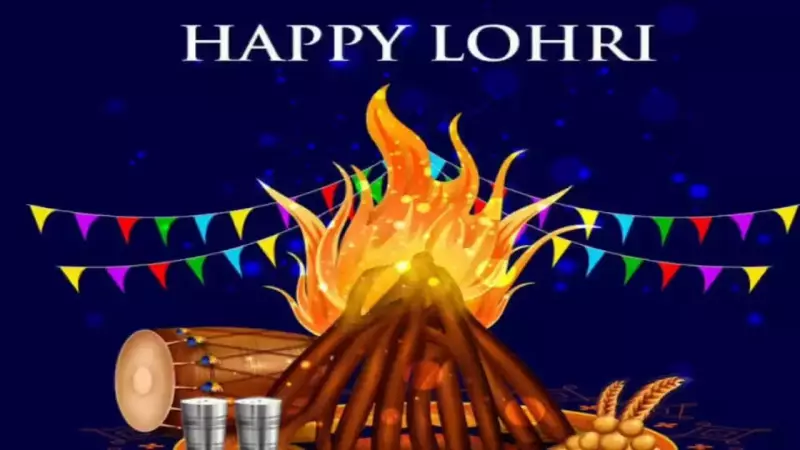
The Lohri bonfire serves as both sacred ritual and social centerpiece. Families and communities gather around these fires, offering traditional winter harvest items. These offerings typically include sesame seeds, jaggery, peanuts, and popcorn - foods that provide warmth and nourishment during cold months.
Throwing food into the flames represents gratitude, purification, and light's victory over darkness. More importantly, the bonfire creates a natural gathering space where people connect, sing folk songs, perform Bhangra and Gidda dances, and strengthen community bonds. The fire's physical warmth mirrors the emotional warmth of shared celebration.
Dulla Bhatti: Punjab's Robin Hood Figure
Beyond agricultural connections, Lohri remains inseparable from Dulla Bhatti's story. Often called Punjab's Robin Hood, this folk hero appears minimally in official historical records. Instead, his legacy survives through oral traditions, folk songs, and stories passed between generations.
Folklore describes Bhatti as coming from a family of local chiefs who resisted Mughal authority. He particularly opposed harsh land revenue policies that burdened farmers and villagers. Though authorities labeled him an outlaw, popular memory celebrates him as a hero who protected the poor, challenged exploitation, and defended ordinary people's dignity during times of concentrated state power.
The Sundri-Mundri Legend
One prominent story linking Dulla Bhatti to Lohri involves Sundri and Mundri. According to Punjabi tradition, these two poor girls faced danger during a period when vulnerable women risked exploitation. Dulla Bhatti protected them from harm, cared for them, and arranged their marriages to ensure their safety.
Folk tradition remembers him saying he couldn't give them much, but they received everything he could provide. This story established Dulla Bhatti as a symbol of social justice and moral strength. Over time, the Sundri-Mundri tale became incorporated into Lohri songs, ensuring their memory lives through annual festival celebrations.
Lohri's Continuing Relevance
The communal aspect of Lohri remains vital today. The bonfire continues as a focal point where social barriers diminish and relationships renew. Traditional singing and food sharing reinforce belonging that extends beyond individual households.

Modern celebrations also mark personal milestones like childbirth or a newly married couple's first winter together. These customs strengthen the festival's association with continuity, life, and future hope. Despite urbanization and changing lifestyles, Lohri's essence persists. Celebration methods may evolve, but the festival's core values remain constant. Gratitude for nature, respect for tradition, and remembrance of shared stories continue defining Lohri's significance across generations.