India's vibrant cultural tapestry is woven with countless festivals, each holding unique significance. While many are centered around religious observances, a select few pay homage to the nation's agrarian roots. Among these, Lohri stands tall as the grand harvest festival of North India, a joyous occasion that bids farewell to winter's chill and welcomes longer, sun-filled days.
The Essence and Significance of Lohri
Lohri is fundamentally a festival of gratitude and abundance. It is celebrated to express heartfelt thanks for a successful harvest of rabi crops. The festival is deeply embedded in the cultural fabric of Punjab, Haryana, and other northern regions. As the new year dawns, Lohri ushers in blessings and prosperity through vibrant festivities that strengthen community bonds.
This festival embodies a spirit of thanksgiving, culminating in moments of pure joy, laughter, and familial togetherness. It is a time when people set aside past grievances, coming together to celebrate and anticipate new beginnings. The cultural significance of Lohri in Punjabi tradition is immense, symbolizing warmth, renewal, and agricultural prosperity.

Lohri 2026: Date and Key Rituals
According to the Drik Panchang, Lohri in 2026 will be celebrated on Wednesday, January 14. It is observed a day before Makar Sankranti, which will fall on Thursday, January 15. The festival traditionally marks the end of the winter solstice, after which the days begin to get noticeably longer.
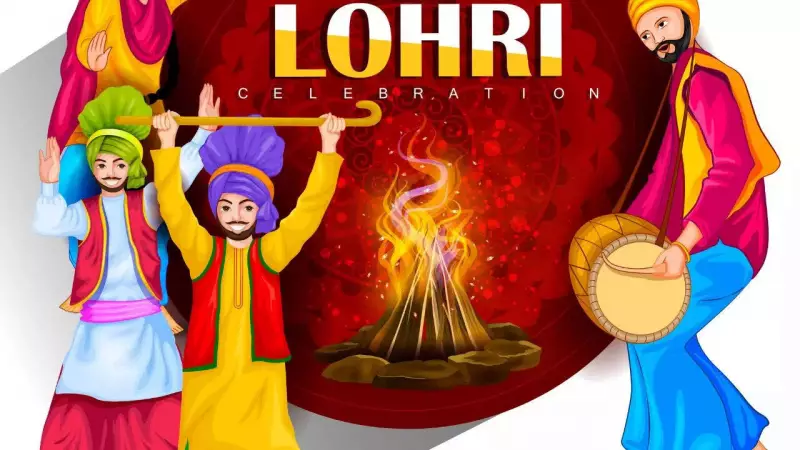
The most iconic ritual of Lohri is the lighting of the sacred bonfire. As the sun sets, communities gather around the roaring fire. The ceremony involves offering til (sesame seeds), gur (jaggery), peanuts, and popcorn into the flames. This act is a tribute to the Sun God and a prayer for continued abundance and prosperity. The night comes alive with the energetic beats of the dhol and the vibrant folk dances of Punjabi giddha and bhangra performed around the bonfire.
Festive Delicacies and Celebratory Spirit
No Indian festival is complete without a feast, and Lohri is no exception. The celebration is marked by a spread of delicious winter-special foods. Families and friends exchange greetings and host get-togethers, sharing traditional treats.
The quintessential Lohri meal features the hearty combination of 'Sarson da saag' and 'makki di roti'. The festival's sweetness comes from delicacies like rewri, gajak, til ke ladoo, gud chikki, and panjiri. These are often beautifully arranged in a special 'Lohri ki thaali'. The rhythmic beats of the dhol and soulful Punjabi folk music fill the air, creating an electrifying atmosphere that lasts late into the night, truly showcasing the unrestrained festive spirit of Lohri.
In essence, Lohri is more than just a festival; it is a heartfelt celebration of the earth's bounty, a communal expression of joy, and a vibrant cultural spectacle that strengthens the social fabric. As January 14, 2026, approaches, communities across North India will ready themselves to light the bonfire, share the harvest's rewards, and dance into the promise of a brighter, warmer season.