The vibrant festival of Lohri, a hallmark of North Indian culture, is set to illuminate the winter sky in 2026. Marking the end of the winter solstice and celebrating the harvest, this festival is a time of communal joy, traditional songs, and warming bonfires. While there was some confusion among devotees regarding whether Lohri would fall on January 13 or 14, 2026, authoritative sources have now provided clarity.
Lohri 2026: Date and Auspicious Timings
According to the widely followed ‘Drik Panchang’, Lohri in 2026 will be celebrated on Wednesday, January 14. The specific tithi details are crucial for traditional observances. The Tritiya tithi will be in effect until 07:59 AM on January 14, after which the Chaturthi tithi begins, lasting until 04:59 AM on January 15. For those performing rituals during the most auspicious periods, the Brahma Muhurta is from 05:27 AM to 06:21 AM, and the Abhijit Muhurta falls between 12:09 PM and 12:51 PM.
Primarily celebrated in the northern states of Punjab, Haryana, Delhi, and parts of Himachal Pradesh, Lohri resonates with Hindus worldwide. It symbolizes gratitude for a bountiful harvest and the welcome return of longer, sunnier days after the chilly winter season.

The Heart and History of Lohri
The origins of Lohri are deeply rooted in folklore and agrarian life. The name itself is believed to derive from ‘loh’, referring to the thick iron griddle used for cooking and warmth in winter. The festival holds immense social and historical significance, most famously linked to the legend of Dulla Bhatti, a Punjabi folk hero from the Mughal era. Celebrated in songs sung around the bonfire, Bhatti is remembered for his bravery in rescuing girls from oppression and arranging their marriages.
Lohri also holds special importance for families celebrating new beginnings. The first Lohri for a new bride or a newborn baby is considered particularly precious, with blessings offered for fertility, good health, and a prosperous life. It is a festival that beautifully intertwines community spirit with personal milestones.
How Lohri is Celebrated: Bonfires, Dance, and Feast
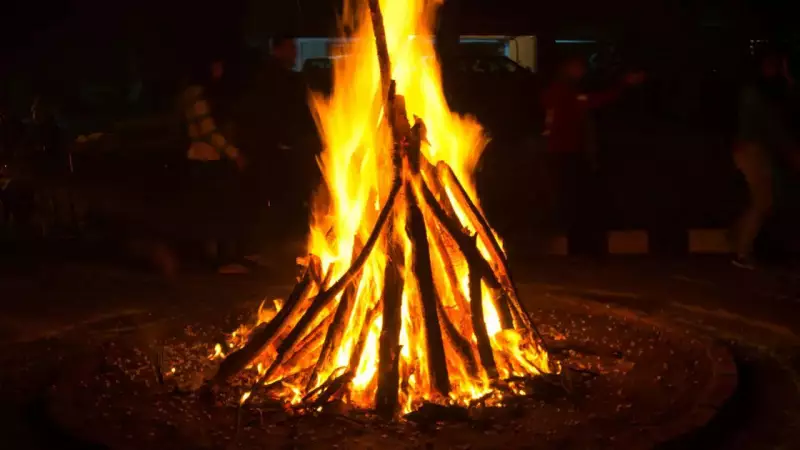
The celebration of Lohri is a sensory delight of warmth, flavor, and energetic movement. The central ritual involves lighting a community bonfire. Families and friends gather around it, offering symbolic foods like peanuts, popcorn, rewari, and sesame seeds to the flames as a gesture of thanksgiving and a prayer for future abundance. The distributed ‘Prasad’ from this offering strengthens bonds of unity.
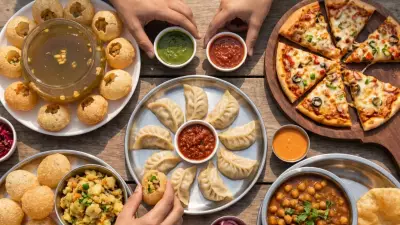
The air fills with the rhythmic beats of the dhol as people perform the high-energy folk dances of Bhangra and Gidda. Dressed in bright, colorful attire, dancers create an atmosphere of pure joy. No festival is complete without a feast, and Lohri is synonymous with traditional dishes like sarson da saag with makki ki roti, followed by seasonal sweets such as gajak and rewari. The age-old tradition of children going door-to-door singing songs and collecting treats still adds charm to the festivities in many areas.
While modern celebrations may see smaller bonfires and shorter singing groups, the essence of Lohri remains undimmed. It continues to be a powerful symbol of cultural unity. Today, the spirit also finds expression in large community events and Lohri parties that bring people of all ages and backgrounds together to rejoice in the promise of warmth and prosperity.