Lohri 2026 Brings Joy and Warmth Across the Nation
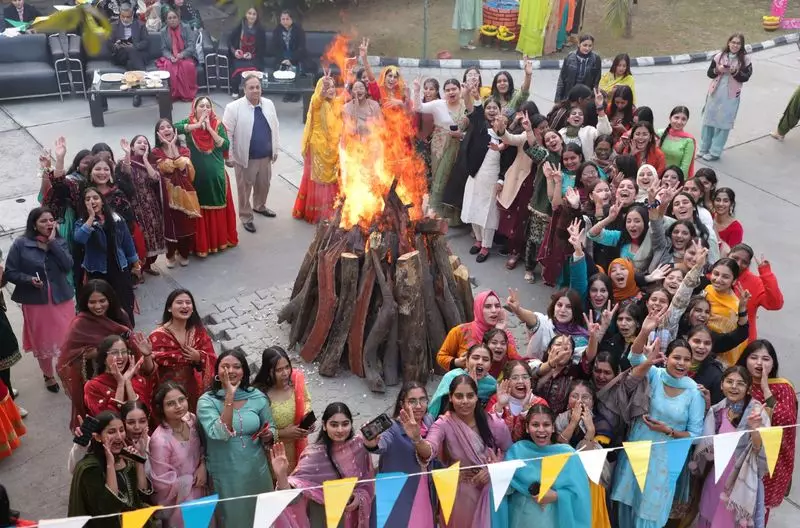
People celebrated Lohri 2026 with immense fervor and joy. This vibrant festival marked the end of the winter season. Communities gathered around bonfires to welcome longer days ahead.
Traditional Rituals and Customs
Families performed traditional rituals during Lohri 2026. They offered peanuts, popcorn, and rewri to the bonfire. These offerings symbolize gratitude for the harvest and prayers for prosperity.
Children went door-to-door singing folk songs. They collected sweets and snacks from neighbors. This custom, known as Lohri begging, added a playful element to the celebrations.

Cultural Performances and Festivities
Folk dances like Bhangra and Gidda were a highlight of Lohri 2026. Dancers wore colorful traditional attire. Their energetic performances captivated audiences of all ages.
Communities organized cultural events in parks and public spaces. These gatherings featured music, dance, and shared meals. The festive atmosphere fostered a strong sense of togetherness.
Festive Foods and Delicacies
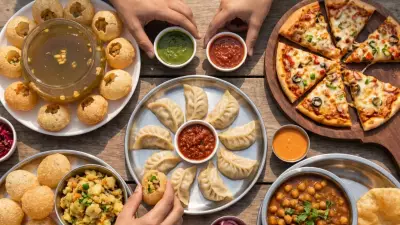
Traditional foods played a central role in Lohri 2026 celebrations. Families prepared special dishes like sarson da saag and makki di roti. Sweet treats such as gajak and til ladoo were also widely enjoyed.
People shared these delicacies with friends and relatives. The act of sharing food reinforced bonds within the community. It highlighted the spirit of generosity associated with the festival.
Significance and Modern Adaptations
Lohri 2026 held deep cultural and agricultural significance. It celebrated the winter solstice and the upcoming harvest season. The festival also honored the sun deity for bringing warmth and light.
In urban areas, modern adaptations were visible. Many people celebrated Lohri 2026 in apartment complexes and community halls. Social media platforms were abuzz with greetings and photos from the festivities.
Despite these changes, the core essence of Lohri remained intact. The festival continued to promote unity, joy, and cultural pride among participants.