Lohri 2024: A Vibrant Celebration of Harvest and Community
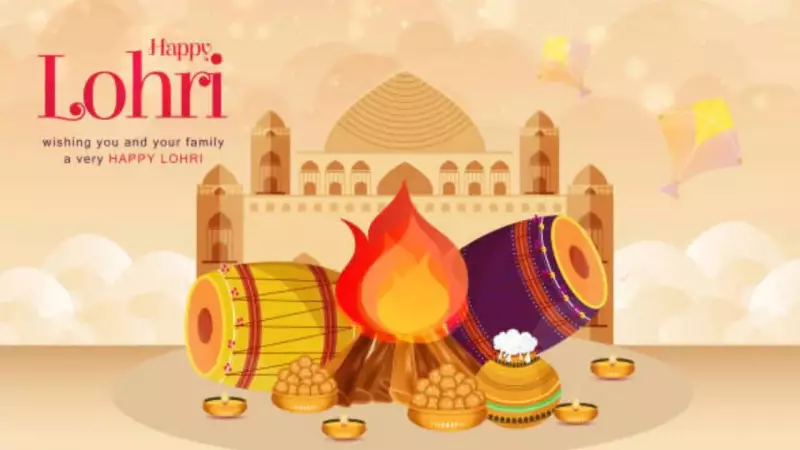
Lohri arrives this year on Monday, January 13. This beloved festival signals the end of winter and welcomes the harvest season across India, especially in northern states like Punjab and Haryana. People celebrate with great enthusiasm, expressing gratitude for nature's bounty and looking forward to longer, warmer days.
The Significance of Lohri
Lohri holds deep cultural and agricultural meaning. Traditionally linked to the rabi crop harvest, it symbolizes love, warmth, and family bonds. The festival revolves around a large bonfire that communities gather around in the evening.
Participants wear festive outfits and make offerings of sesame seeds, jaggery, sugarcane, and roasted peanuts. These items thank nature and the Sun God for a successful harvest. In earlier times, people believed pleasing the Sun God would bring warmth and protect villages from harsh winter cold.

Traditional Preparations and Rituals
Preparation begins days before Lohri. Young maidens visit homes collecting cow dung, which they pile up for the main event. On Lohri evening, this collected dung along with wood fuels the ceremonial bonfire.
The fire represents the sun's warmth and light, driving away cold darkness and ushering in brighter days. Folk songs and energetic dances like Bhangra and Gidda fill the evening air, accompanied by the rhythmic beats of the dhol.
Storytelling and Folklore
Lohri traditions include rich storytelling around the bonfire. Families share tales of folklore and legends, most notably the story of Dulla Bhatti. This Punjabi hero lived during the Mughal era and became celebrated for his bravery and sense of justice.
Dulla Bhatti protected local girls from abduction, arranged their marriages, provided dowries, and ensured their safety. The popular Lohri song "Sundar Mundriye" recounts his deeds, particularly how he saved two girls named Sundari and Mundari from forced marriage. This tale highlights themes of courage, honor, and community solidarity.
Special Celebrations for New Beginnings
The festivities hold particular significance for newly married couples and families with newborn babies. Lohri symbolizes the start of a prosperous chapter in their lives. Families host gatherings, exchange gifts, and share joy during this special occasion.
Festive Foods and Delicacies
No Indian festival is complete without special foods. Lohri becomes more memorable with traditional delicacies that reflect its agricultural roots. People enjoy Makki di roti (cornmeal flatbread) with sarson da saag (mustard greens curry).
Sweets like gajak, til laddoo (sesame seed sweets), and jaggery-based treats are relished alongside roasted peanuts and popcorn. These simple yet wholesome foods symbolize the festival's deep connection to farming and harvest.
The Essence of Togetherness
Lohri reminds us that festivals feel incomplete without family and friends. The celebration emphasizes gratitude for nature's beauty and the importance of community bonds. As people gather around bonfires, they strengthen relationships and create lasting memories.
The festival encourages everyone to express thankfulness and embrace happiness. Through traditional rituals, delicious foods, and shared stories, Lohri continues to be a vibrant celebration of life, harvest, and human connection in northern India.