As the chill of January deepens, North India prepares to welcome the warmth of Lohri, a festival that heralds the end of winter and celebrates the harvest. This year, Lohri will be celebrated on January 13, a day before Makar Sankranti. Primarily observed by Sikh and Hindu communities, Lohri is a vibrant tribute to the sun and fire, marking the sun's transition into the zodiac sign of Makar (Capricorn) and its northward journey, known as Uttarayan.
The Significance and Regional Diversity of Lohri
Lohri is far more than a seasonal celebration; it is deeply rooted in India's agrarian culture and socio-cultural history. The festival is believed to have originated from the Indus Valley Civilization, with traditions spreading across Northern India and Pakistan. While it is the heart and soul of Punjabi culture, the festival is celebrated under different names across the country.
In Bengal, it is known as Makar Sankranti, in Assam as Magha Bihu, and in Kerala as Tai Pongal. In cities like Varanasi and Ahmedabad, the celebrations take the form of Uttarayan and Makar Sankranti, where people perform rituals like 'daanpind' for their ancestors and fly kites.

How Lohri is Celebrated: Bonfires, Songs, and Sweets
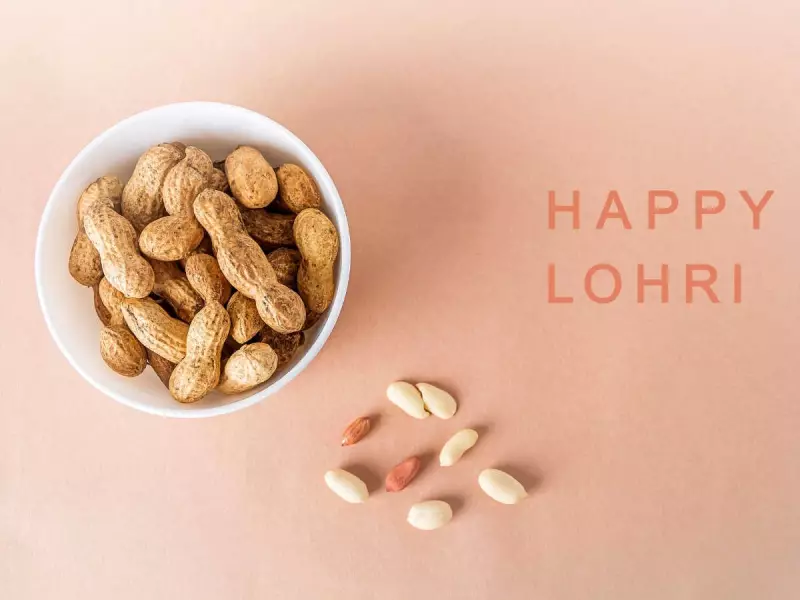
The quintessential image of Lohri is a community gathered around a roaring bonfire. People sing traditional folk songs, dance to the beat of the dhol, and toss offerings like popcorn, rewari, gajak, and groundnuts into the flames. The fire symbolizes strength and positive energy, helping to dispel negativity.
Attire turns traditional, with people wearing salwar-kurtas, Patiala suits, and parandas. The festival is incomplete without its special treats: chakkis and lai pattis made from gud (jaggery), ramdaana, and til (sesame). A key ritual involves performing a puja parikrama (circling the holy fire), praying for prosperity and a bright future.
The Legends and Modern Adaptations
Several stories are woven into Lohri's fabric, but the most famous is the tale of Dulla Bhatti, a folk hero from Emperor Akbar's reign. He was known for rescuing girls from kidnappers and caring for them as his own daughters. Songs sung around the bonfire often glorify his bravery.
While the core of Lohri remains in community gatherings, modern times have added digital greetings shared over social media. Bollywood has also immortalized the festival, with songs like 'Lo Aa Gayi Lohri Ve' from *Veer-Zaara* capturing its joyous spirit. Ultimately, Lohri carries the farmers' prayer for happiness and a bountiful Rabi crop as the new rays of the sun bring promise and warmth to every corner.