Kolkata's TRI Art & Culture Transforms Heritage Home into Vibrant Public Arts Hub
In the ongoing exploration of 25 spaces that showcase how Kolkata continually reinvents its cultural landscape, the multidisciplinary, nonprofit arts centre TRI Art & Culture stands out as a beloved and innovative venue. Founded by sibling duo Varun and Nitasha Thapar, this unique space opened in 2024 within a creatively reimagined mid-20th century Ballygunge residence, effectively converting a private family address into a dynamic haven for art enthusiasts.
From Private Residence to Public Cultural Campus
For four generations, the triangular Ballygunge property served exclusively as a family home, with its intimate proportions and natural light preserving a domestic atmosphere. When the lease concluded, the founders seized the opportunity to reconsider its purpose. "Kolkata possesses a rare cultural inheritance; what's often missing is consistent, year-round space for artistic expression," explains Varun Thapar. His sister Nitasha describes this transformation as a fundamental shift "from private to public."
The heritage structure's exterior shell was meticulously preserved, while the interior was upgraded with modern gallery infrastructure to meet contemporary needs. The building's distinctive triangular geometry now thoughtfully guides visitor movement, serving as a prime example of adaptive reuse within Kolkata's urban fabric.

A Multidisciplinary Ecosystem for Community Engagement
Despite being operational for just over a year, TRI Art & Culture has rapidly evolved into a comprehensive multidisciplinary ecosystem. Its programming fluidly moves across:
- Visual arts exhibitions and installations
- Performing arts including theatre and dance
- Literary events and poetry readings
- Culinary experiences and food-based programming
- Research initiatives and academic collaborations
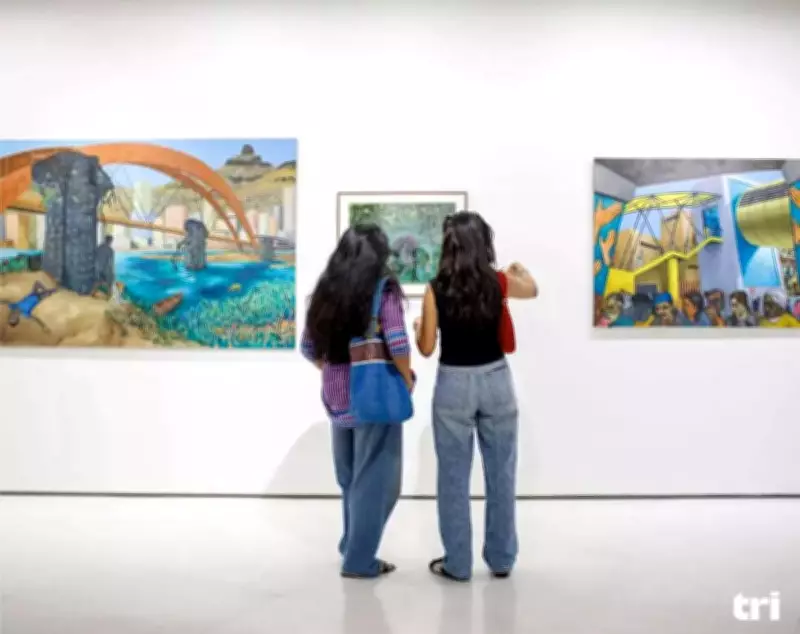
Through workshops, partnerships, and innovative events like ADDA: The Third Space—which transformed the venue into a sensorium celebrating Kolkata's vibrant street culture—the centre has redefined audience interaction. "People are increasingly uninterested in being positioned as passive arts audiences; they want to be active participants in the creative process," observes Varun Thapar. Nitasha emphasizes the importance of "lowering the psychological threshold" to make art more accessible.
The results speak for themselves: Winter 2025 attracted 6,600 visitors, representing a remarkable 166% increase, with the space operating at 94% capacity utilization. A key strength lies in its seamless integration with the surrounding neighbourhood, creating organic community connections.
Why TRI Art & Culture Resonates with Kolkata
Student and art enthusiast Riddhiman Sen characterizes the space as "unintimidating yet urgent," capturing its welcoming yet impactful atmosphere. Several factors contribute to its success:
- It transformed a private Ballygunge residence into an inclusive cultural campus open to all community members
- Its triangular architecture deliberately resists the generic white cube gallery model, making movement through artistic displays feel exploratory and engaging
- It treats active participation as central to contemporary art experience rather than passive observation
Artist Soumyadeep Roy notes, "TRI has become a great space for dialogues from across different places and between different kinds of people," highlighting its role as a cultural crossroads. This innovative approach to arts programming demonstrates how Kolkata continues to evolve its cultural offerings while honoring its architectural heritage, creating spaces that are both locally rooted and globally relevant.