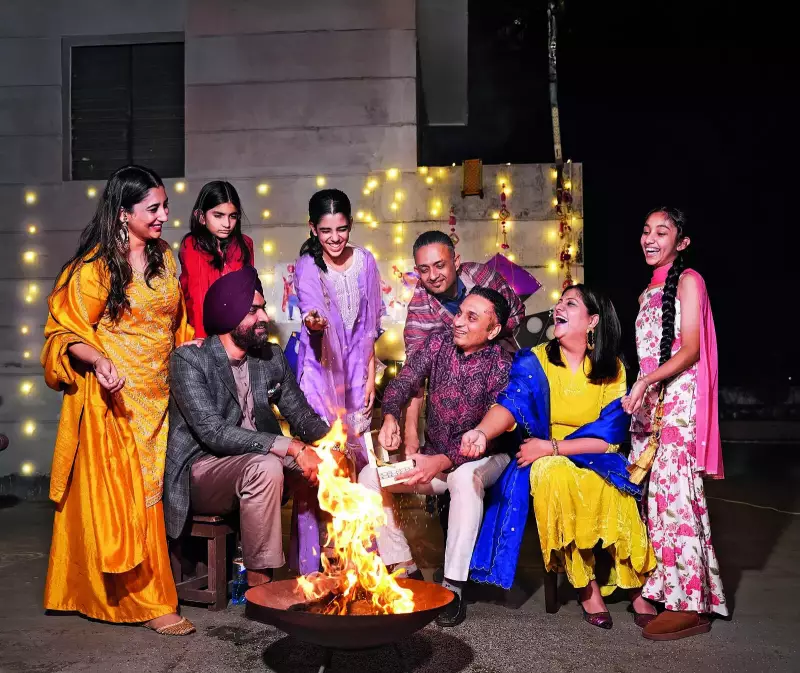
The vibrant festival of Lohri comes alive in Kolkata with crackling bonfires, energetic folk songs, and the delicious aroma of seasonal treats. This living tradition beautifully blends history, harvest celebrations, and community spirit. Members of Kolkata's Punjabi community recently gathered for a special Lohri celebration, bringing the authentic flavor of their ancestral villages to the city.
Culture, Carried Forward with Conscious Effort
For Punjabi families living away from Punjab in Kolkata, celebrating Lohri with complete traditional rituals represents a deeply conscious effort. These families meticulously recreate every aspect of the festival - from lighting the sacred bonfire and singing traditional folk songs to preparing and sharing authentic seasonal foods.
Sukhpreet Harika explains the importance of this dedication. "Our children should grow up understanding not just the festival itself, but the core values behind it. Through this process, Lohri transforms from merely a festive evening into a powerful method of passing on our identity, cherished memories, and sense of belonging to the next generation."

Parwinder Harika adds another crucial dimension. "Community gatherings, shared prayers, and collective meals significantly strengthen our bonds. This approach ensures that our traditions are experienced together rather than in isolation, keeping our cultural spirit vibrant."
Of Heroes, Harvests, and the Sacred Fire
Lohri carries rich folklore that seamlessly blends historical narratives, nature worship, and oral traditions. Kuldeep Kaur Gill highlights one of the most enduring legends. "The most popular story celebrates Dulla Bhatti, the Mughal-era Punjabi folk hero often called the 'Robin Hood of Punjab.' Lohri songs around the bonfire honor his remarkable courage and generosity."
The festival also has deep roots in ancient agrarian beliefs that honor both the Sun God and Agni, the fire deity. The central bonfire symbolizes essential warmth, vital energy, and life itself during winter's peak. Pravleen Bhatti elaborates on this agricultural connection. "Lohri marks the important shift from winter's coldest days toward longer, brighter daylight hours. For farming communities, this transition symbolizes fertility, renewal, and hoped-for abundance."
These valuable stories and meanings continue through boliyan, the oral folk verses that preserve memory, rhythm, and cultural significance across generations.
Creating Meaningful Celebrations in the City
Lohri truly comes alive when the bonfire's warmth surrounds familiar faces, shared laughter fills the air, and the rhythmic beats of old folk songs create an unforgettable atmosphere. Rajpal Singh Sidhu captures this essence perfectly. "For us, it's fundamentally about reliving precious memories of home, no matter where we currently live."
Satnam Singh Ahluwalia emphasizes the communal beauty. "The real beauty of our festivals lies in practicing traditions together - making special sweets, singing folk songs collectively, and simply being together as a community."
Sukhpreet Harika notes how the celebration extends beyond the main day. "Traditional dishes like sarson ka saag and makke di roti are typically cooked the day after Lohri using fresh harvest ingredients. This practice extends the festival's joyful spirit while expressing gratitude to the land and bringing people together again after the bonfire ceremony."
Essential Elements of Lohri Celebration
The festival incorporates several traditional elements that give it unique character:

- Bonfire: The absolute heart of the celebration, representing warmth and community
- Til (Sesame Seeds): Symbolizes essential warmth and hoped-for abundance
- Moongphali (Peanuts): Shared among participants and offered to the sacred fire
- Phulkian (Popcorn): A beloved traditional winter snack
- Gur (Jaggery): Represents sweetness and prosperity
- Dhol Beats & Folk Songs: Essential musical components for bhangra and gidda dances
- Traditional Attire: Phulkari embroidery, kurta-pajama, and salwar-kameez outfits
- Festive Treats: Panjiri and gachak remain popular Lohri sweets enjoyed by families
Through these conscious efforts, Kolkata's Punjabi community ensures that the spirit of Lohri continues to shine brightly, preserving cultural heritage while adapting to urban life.