Kolkata currently resembles a miniature version of India. The city is alive with the vibrant celebrations of multiple harvest festivals. Makar Sankranti, Pongal, Magh Bihu and Lohri are being observed across different neighborhoods and communities. These festivities are taking place between Tuesday and Thursday throughout the city.
Lohri Celebrations Bring Punjabi Spirit to Kolkata
On Tuesday, Lohri celebrations filled the city with energy and warmth. People celebrated with great enthusiasm at various city clubs, housing complexes and family gatherings. Bonfires crackled brightly in courtyards as revellers danced around the flames. They performed traditional 'bhangra' dances while offering sesame, jaggery and popcorn to the fire.
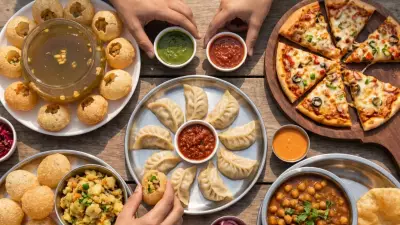
Tables overflowed with traditional Punjabi dishes during these celebrations. The festival marks the end of peak winter season. It set a warm and convivial tone for the upcoming days of festivities across Kolkata.

Tamil Community Prepares for Pongal Rituals
Even as Lohri celebrations continued, Tamil households began preparations for Pongal. This harvest festival coincides with Makar Sankranti. Kolkata's Tamil families found creative ways to preserve festival traditions despite being far from Tamil Nadu.
In Tamil Nadu, Pongal is observed over four public holidays. In Kolkata, families adapted the celebrations to fit within a regular working week. Kitchens transformed into sacred ritual spaces across the city.
Clay pots received special attention during preparations. Families washed these pots thoroughly before adorning them with turmeric and ginger leaves. The pots were then set to boil over with rice and milk. This symbolic gesture represents abundance and prosperity in Tamil tradition.
Preserving Essential Traditions
Padma Roy from Burdwan emphasized the importance of these rituals. She is an active member of the Kolkata Tamil Association. "This ritual is absolutely non-negotiable," Roy stated firmly. "Every Tamil household must cook Pongal in a traditional clay pot. The offering must be presented to the Sun God as part of our tradition."
She explained that families prepare both sweet and savory versions of Pongal. This practice signifies the essential balance in life according to Tamil cultural beliefs.
Beyond individual homes, the festival takes on larger community dimensions. On January 18th, Tamil associations from across Kolkata will unite for a major celebration. This community event is expected to draw approximately five hundred participants.
The Four Days of Pongal Celebration
Krishnaveni Viswanathan from Lake Avenue's Saastha Samooham Ayyappa Temple detailed the traditional Pongal schedule. "Pongal traditionally unfolds over four distinct days," she explained. "Each day carries its own specific meaning and requires precise observance."
The festival begins with Bhogi day. On this day, people discard old items in a symbolic cleansing ritual. Thai Pongal follows next. This day features beautiful floral rangoli designs and sugarcane offerings. Families cook Pongal at an auspicious hour determined by tradition.
Mattu Pongal honors animals and strengthens family bonds. Special food offerings are prepared for the well-being of brothers during this day. The final day completes the four-day celebration cycle with specific rituals.
Assamese Community Celebrates Magh Bihu
A few kilometers away, Kolkata's Assamese community marks the same solar transition through Magh Bihu. This festival is also known locally as Bhogali Bihu. The celebration is defined by three key elements: food, fire and fellowship.
Magh Bihu signals the definitive end of the harvest season in Assamese tradition. "It is undoubtedly the most eagerly awaited celebration of the entire year," said Orihana Ojah. She represents the Kolkata Assamese Cultural Association.
Traditional Magh Bihu Observances
Festivities commence with Uruka, the eve of Magh Bihu. Families and friends gather around bonfires on this evening. They cook together and eat communally late into the night, strengthening social bonds.

At dawn the next morning, devotees take a ritual bath before offering prayers. These prayers are presented before the Meji structure. The Meji is a towering construction made from bamboo, straw and wood. Participants set this structure ablaze as an offering to the sacred fire.
Homes throughout the community brim with traditional rice-based delicacies during Magh Bihu. These include 'til pitha', coconut 'pitha', 'sunga pitha' and various 'laddoos'. Families share these treats generously with neighbors and guests, extending hospitality.
This year, community celebrations in Kolkata attracted substantial crowds. Nearly four hundred people participated in the organized Magh Bihu events according to Ojah's estimates.
Kolkata's diverse communities are thus weaving a rich cultural tapestry this week. Different harvest traditions are creating a unified celebration of India's agricultural heritage within the city's neighborhoods.