Kochi Art Installation Explores Vanilla's Colonial Displacement Through Sound
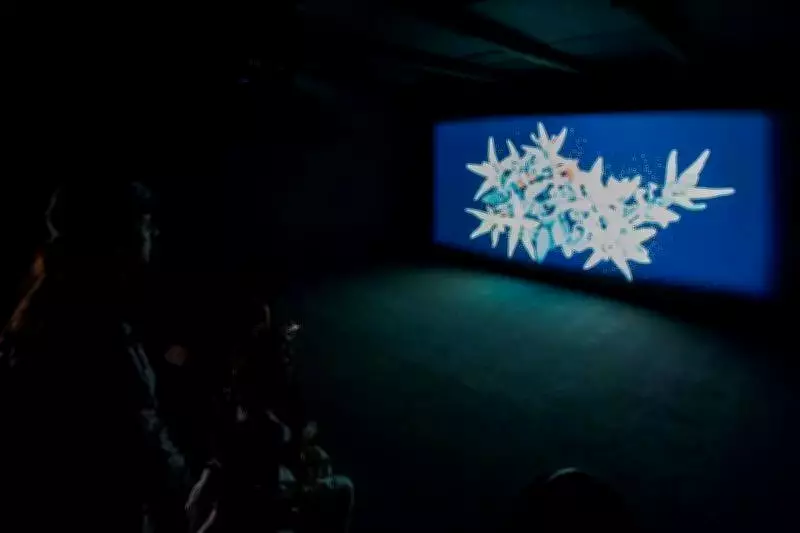
A captivating sound installation by Kochi Biennale Foundation (KBF) residency artist Daniel Godínez Nivón delves into the ecological and historical displacement of the vanilla orchid, offering an immersive audio-visual experience in Mattancherry. Titled Flower Serenade 2025, the work is currently on display at Devassy Jose and Sons on Bazaar Road, inviting visitors to engage with themes of colonialism and environmental change.
Focus on Vanilla Planifolia and Its Pollinators
The installation centers on Vanilla planifolia, the only edible orchid species native to Mesoamerica. Through layered soundscapes and striking visuals of bluish-purple and white vanilla flowers, the piece recreates the vibrational presence of stingless bees that naturally pollinate the plant in its original habitat. Godínez specifically references Scaptotrigona mexicana, a native bee species from Mexico that plays a crucial role in pollinating vanilla orchids.
Historical and Ecological Disruption
Outside its endemic region, vanilla depends on manual pollination, a shift highlighted by the artist. Godínez explores how colonial trade routes displaced vanilla from Mexico to Europe and later to tropical regions worldwide, fundamentally altering ecological relationships. The installation also pays tribute to Edmond Albius, the 12-year-old enslaved boy who discovered a hand-pollination technique in the 19th century, enabling large-scale cultivation that continues to be used globally today.

Artistic Research and Experimental Techniques
As part of his research, Godínez conducted experiments at a vanilla farm in Kannur, transmitting a 220-hertz vibrational frequency—matching that of the Mexican stingless bee—to vines using speakers. The sound is derived from field recordings in La Huasteca Veracruzana, Mexico, the bee's native habitat. This innovative approach aims to bridge gaps in cultural memory disrupted by colonialism.
The artist stated that his ongoing research examines how colonialism and displacement have disrupted ecological bonds between plants, pollinators, and cultural heritage. This exhibition forms part of KBF's residency programme and is open to the public, providing a unique perspective on art, history, and environmental science.