Why Kite Flying Is Central to Makar Sankranti Celebrations
Makar Sankranti holds a special place in Indian culture. This festival marks the sun's movement into the zodiac sign of Capricorn. People across India celebrate it with great enthusiasm. Kite flying has become a defining activity for this day. But why do we fly kites on Makar Sankranti? The reasons blend history, spirituality, and tradition.
The Historical Roots of Kite Flying
Kite flying during Makar Sankranti dates back centuries. Historical records suggest it started in regions like Gujarat and Rajasthan. Farmers originally flew kites to celebrate the end of winter. They welcomed the longer days and the harvest season. This practice symbolized joy and prosperity. Over time, kite flying spread to other parts of India. It became a unifying activity for communities.
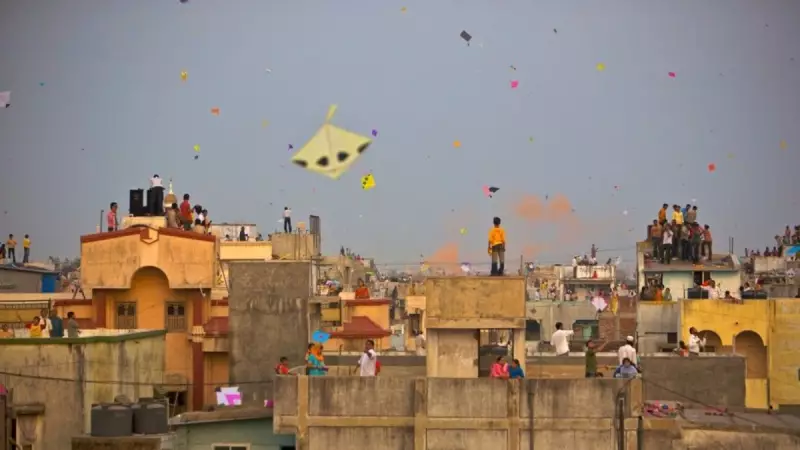
Kite makers prepare for months before the festival. They create colorful kites in various shapes and sizes. Families gather on rooftops to fly these kites. The sky fills with vibrant colors and cheerful shouts. This tradition strengthens social bonds. It brings people together in a shared experience of fun and competition.

Spiritual Significance of Kites on Makar Sankranti
Makar Sankranti is not just about fun. It carries deep spiritual meaning. The festival honors the sun god, Surya. Hindus believe the sun represents knowledge and spiritual light. Flying kites high in the sky connects devotees to the divine. It symbolizes reaching for higher consciousness. The act of cutting kite strings also has symbolism. It represents letting go of past burdens and negative energies.
Many people perform rituals and prayers on this day. They take holy dips in rivers like the Ganges. Kite flying complements these spiritual practices. It adds an element of joy and celebration. The kites soaring upward remind us of our aspirations. They encourage us to aim high in life. This blend of spirituality and recreation makes Makar Sankranti unique.
Modern Celebrations and Cultural Impact
Today, kite flying on Makar Sankranti is a major event. Cities like Ahmedabad and Jaipur host large kite festivals. Thousands of people participate in these gatherings. The International Kite Festival in Gujarat attracts visitors from around the world. It showcases India's rich cultural heritage. Kite flying competitions add excitement to the celebrations. Participants try to cut each other's kite strings. The winner earns bragging rights and small prizes.
This tradition also promotes environmental awareness. Many communities use eco-friendly kites made from natural materials. They avoid plastic and synthetic strings. This effort helps protect birds and the environment. Makar Sankranti thus combines tradition with modern values. It teaches respect for nature while celebrating cultural roots.
Kite flying on Makar Sankranti is more than a pastime. It is a vibrant expression of Indian spirituality and history. This tradition connects generations. It fosters community spirit and joy. As we fly kites each year, we honor our ancestors. We also create new memories with loved ones. Makar Sankranti reminds us to embrace light and positivity. It encourages us to soar high like the kites in the sky.