Unveiling the Mysteries of Kerala's Parassinikkadavu Muthappan Temple
Kerala, renowned for its lush greenery and serene backwaters, also harbors some of India's most unique and fascinating temples. Among these, the Parassinikkadavu Muthappan Temple in Kannur stands out for its extraordinary rituals and traditions that defy conventional Hindu practices. This temple, dedicated to the folk deity Muthappan, offers a glimpse into a world where divine worship intertwines with everyday life in surprising ways. Here are five lesser-known facts that highlight the temple's distinct character and cultural significance.
1. The Divine Union of Shiva and Vishnu
At the heart of Parassinikkadavu Temple lies Muthappan, a deity believed to embody the harmonious union of Lord Shiva and Lord Vishnu. According to local beliefs, Muthappan is a composite figure formed from two divine aspects: Thiruvappana, representing Lord Vishnu, and Vellattam, representing Lord Shiva. This fusion symbolizes the integration of two major Hindu gods, reflecting a syncretic tradition that emphasizes unity over division. The temple's rituals and performances often celebrate this dual nature, making it a unique site for devotees seeking blessings from both deities simultaneously.
2. Unconventional Offerings: Toddy, Arrack, and Fish
Unlike most Hindu temples where offerings typically include flowers, fruits, or sweets, Parassinikkadavu Temple breaks the mold with its distinctive prasad. The primary offerings here are toddy (a traditional palm wine), arrack (a distilled spirit), and incinerated fish. These items are considered sacred to Muthappan, believed to please the deity and invoke his blessings. This practice stems from local folk traditions and highlights the temple's connection to Kerala's cultural heritage, where such offerings are seen as a form of devotion rather than taboo.

3. Naming Ceremonies for Pet Dogs
One of the most surprising rituals at Parassinikkadavu Temple is the naming ceremony for dogs. Devotees bring their canine companions to the temple, where during the Vellattam performance, the Theyyam (a ritual artist) blesses the dog and chants mantras into its ears, along with announcing its name. This ceremony is not just symbolic; pet lovers also pray here for the good health and well-being of their pets. It underscores the temple's inclusive approach, extending spiritual practices to animals in a way rarely seen elsewhere.
4. A Temple That Reveres Dogs
Parassinikkadavu Temple is perhaps the only Hindu temple in India that not only allows dogs inside but actively reveres them. This tradition is rooted in the belief that Muthappan was accompanied by dogs during his earthly manifestations. Visitors can observe dogs roaming freely within the temple premises, and bronze statues of dogs are installed for worship. Moreover, the Nivedyam (sanctified food) is first offered to these canine residents before being distributed to devotees, emphasizing their sacred status in this spiritual space.
5. The Living God Through Theyyam Performances
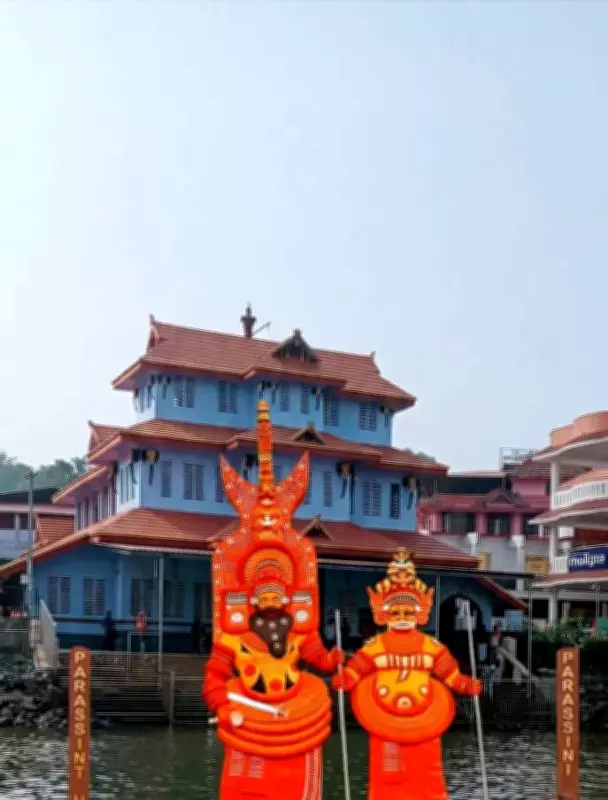
Every day, the temple comes alive with Theyyam, a vibrant folk art form of Kerala. It is believed that during these performances, Muthappan takes human incarnation through the Theyyam artist. In this state, devotees can directly interact with the deity, seeking solace, advice, or blessings. This practice blurs the line between the divine and the mortal, offering a personal and immersive spiritual experience. The Theyyam rituals not only preserve Kerala's cultural heritage but also reinforce the temple's role as a living, breathing center of faith.
In summary, Parassinikkadavu Muthappan Temple stands as a testament to Kerala's rich and diverse religious landscape. Its unique rituals—from dog-centric ceremonies to unconventional offerings—challenge norms and invite curiosity, making it a must-visit for those interested in exploring the lesser-known facets of Hindu worship. Whether you're a devotee or a cultural enthusiast, this temple offers a profound insight into how tradition and innovation coexist in India's spiritual tapestry.