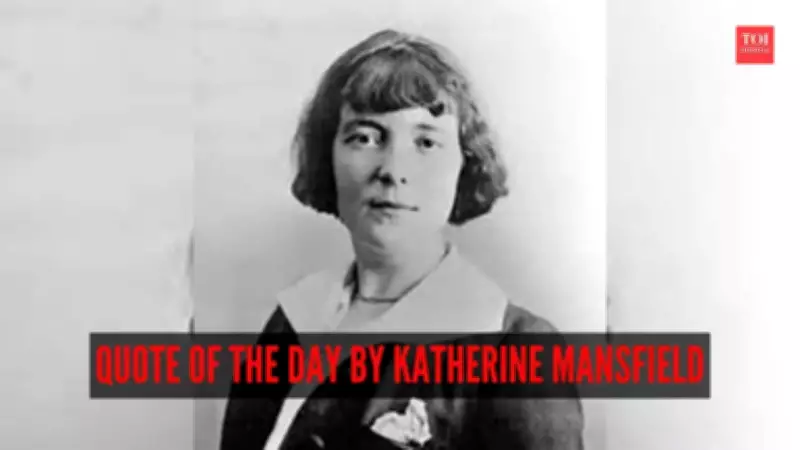
Katherine Mansfield: The Enduring Voice of Modernist Literature
Katherine Mansfield stands as one of the most revered modernist authors of the early twentieth century, celebrated for her delicate narrative style and profound psychological depth. Born in 1888 in Wellington, New Zealand, Mansfield later relocated to Europe where her distinctive literary voice matured and gained widespread recognition. Her short stories are particularly noted for their emotional subtlety, focus on universal human experiences, and the quiet intensity with which she portrayed life's moments.
Literary Vision and Major Works
Mansfield's writings consistently explored themes of identity, memory, human relationships, and the fleeting beauty of existence. She possessed a remarkable ability to transform personal emotions into enduring artistic expressions that resonate across generations. Through acclaimed collections such as Bliss and Other Stories and The Garden Party, Mansfield demonstrated how seemingly ordinary incidents could reveal life's deepest truths. Her work masterfully blends vulnerability with courage, reflecting the same qualities evident in her personal philosophy and memorable quotations.
The Philosophy Behind a Famous Quote
One of Mansfield's most widely circulated statements offers powerful insight into her worldview: "Make it a rule of life never to regret and never to look back. Regret is an appalling waste of energy; you can't build on it; it's only good for wallowing in." This quotation embodies the philosophical clarity that characterized both her personal life and literary output.

The message conveys several important principles about human psychology and forward momentum. Regret represents a significant drain on emotional resources that yields no constructive outcomes. When individuals become trapped in past mistakes or missed opportunities, they effectively prevent themselves from engaging fully with present possibilities. Mansfield suggests that excessive backward-looking contemplation actually diminishes one's capacity to create positive future developments.
Practical Wisdom for Contemporary Living
This philosophical perspective offers valuable guidance for modern life. Releasing regret does not imply avoiding responsibility for past actions or failing to learn from experience. Rather, it encourages transforming life lessons into wisdom rather than sorrow. When people relinquish the habit of regret, they create mental space for creativity, resilience, and hopeful anticipation.
Mansfield's wisdom serves as a compelling reminder to cultivate forward-focused awareness rather than backward-looking remorse. The energy expended dwelling on what cannot be changed becomes unavailable for building what might yet be created. Through conscious choices to accept, learn, and renew, individuals can shape their lives around growth rather than error.
Lasting Literary Influence
Despite her tragically short life—Mansfield died at just 34 years old—her contributions to modernist literature continue to influence writers and captivate readers worldwide. Her innovative narrative techniques, psychological acuity, and philosophical depth ensure her place among the most significant literary figures of the twentieth century. Mansfield's legacy demonstrates how artistic vision can transcend temporal boundaries, offering timeless insights into the human condition through carefully crafted prose and enduring wisdom.