Kashmir's Winter Warrior: The Pheran's Enduring Legacy
When Chillai Kalan arrives in the Kashmir Valley, the forty-day period of intense cold transforms the landscape. Temperatures plummet dramatically, yet the people of Kashmir respond with a remarkable cultural tradition. They wrap themselves in the Pheran, a garment that represents far more than mere protection from the elements.
To visitors, the Pheran might appear as a simple, loose cloak. For Kashmiris, however, this garment carries profound significance. It embodies their history, ensures their survival through harsh winters, and expresses their unique identity. The Pheran represents centuries of tradition woven directly into its fabric.
Ancient Origins and Linguistic Mysteries
The Pheran's story begins with its very name, which echoes through history. Linguists and historians continue debating its precise origins, creating an intriguing puzzle. Some experts trace the garment's roots to the Persian word Perahan, meaning shirt or cloak. They believe travelers and Sufi mystics carried this concept along the ancient Silk Route into Kashmir.

Other scholars point toward Sanskrit origins. They suggest the name derives from Paridhana, an ancient term meaning covering or garment. Regardless of which linguistic path you follow, both lead to the same remarkable conclusion. The Pheran has endured through multiple empires and historical transformations while remaining essential to Kashmiri life.
Historical Transformations and Practical Design
The Pheran's evolution mirrors Kashmir's complex history. Before the fifteenth century, historical accounts suggest Kashmiris wore leather doublets for warmth. The Mughal era brought significant change, with the Pheran becoming the valley's dominant winter garment.
A persistent legend claims Emperor Akbar mandated the long, loose gown to restrict Kashmiri warriors' movements. Historians generally dismiss this dramatic story as unlikely. The truth appears far more practical. When facing extreme cold, people need functional warmth above all else.
The Pheran's brilliant design serves this exact purpose. Its loose, tent-like silhouette creates a heated chamber around the body. This architectural feature allows wearers to carry a Kangri inside the garment. The Kangri is an earthen pot filled with hot embers, essentially creating a portable fireplace within the Pheran's protective folds.
Cultural Significance and Modern Revival
Throughout political changes, the Pheran maintained its role as Kashmir's great equalizer. Both Kashmiri Pandits and Muslims wore the garment, with only subtle variations in stitching and hem length indicating community identity. The garment united people across religious and social boundaries during the coldest months.
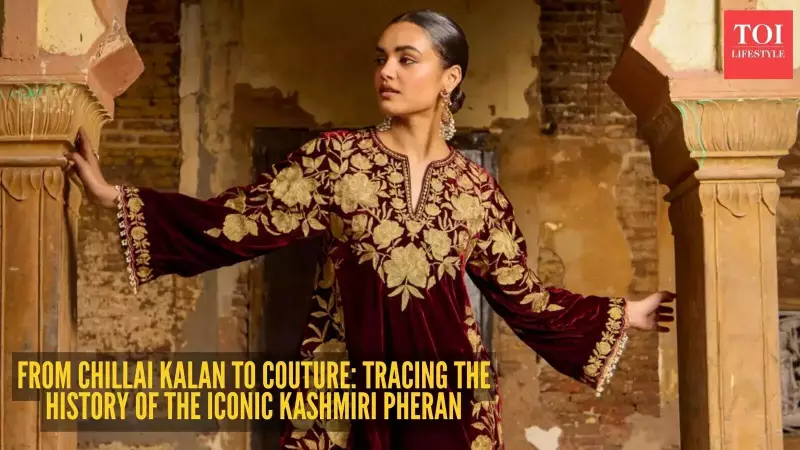
Today, the Pheran enjoys a remarkable renaissance. It has moved beyond snowy villages to appear on fashion runways. Contemporary designers experiment with luxurious fabrics like velvet and silk, embellishing garments with intricate Tilla embroidery using silver and gold threads.
December twenty-first now marks International Pheran Day, celebrating this cultural symbol. Beyond politics and fashion trends, the Pheran's fundamental truth remains unchanged. During Kashmir's freezing Himalayan winters, wearing this traditional garment feels like receiving a warm, enduring embrace from history itself.