Karnataka Archaeology Department Labels Lakkundi Discovery a Treasure
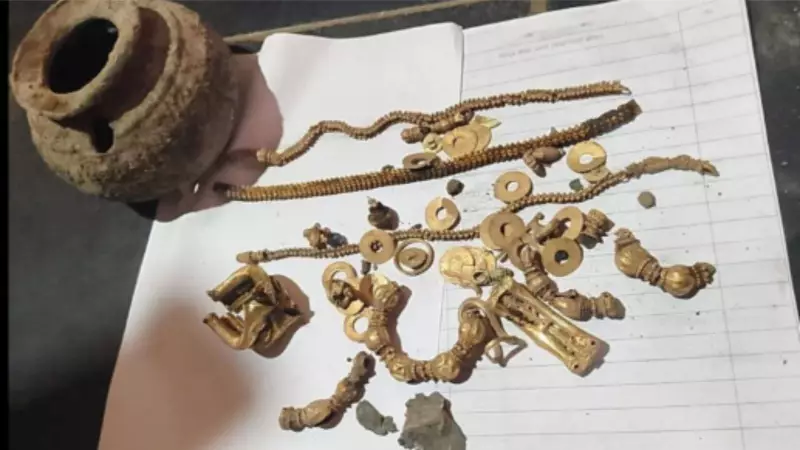
The Karnataka Department of Archaeology, Museum and Heritage has officially declared the gold ornaments unearthed in Lakkundi, Gadag district, as a treasure. This decision comes with a recommendation to provide the discovering family with financial compensation equal to one-fifth of the valuables' total value.
Director Confirms Antiquity of the Find
Dr Shejeshwar R, Director of the department, visited the village on Monday and stated the ornaments are definitely more than a century old. "Anything more than 100 years old is considered an antique, a treasure," he explained. Shejeshwar emphasized that the manner of discovery strongly suggests these items are genuine artefacts.
He further noted, "We will examine it and submit a report to the district administration. Since the family was honest in handing over the treasure and to encourage others to do so in the future, we will recommend a suitable reward for the family."

ASI Expresses Skepticism Over the Treasure's Age
This declaration follows contrasting views from the Archaeological Survey of India. Just a day earlier, ASI Senior Archaeologist Ramesh Mulimani expressed doubts about the ornaments being a centuries-old buried treasure. Mulimani, who also visited Lakkundi, suspected the items might have been buried more recently by ancestors of the current residents.
The disagreement highlights ongoing debates in archaeological assessments, where local department findings sometimes diverge from national agency perspectives.
Details of the Discovery and Historical Context
The discovery occurred when Ganagavva Basavaraja Ritti began construction to modify their house in Lakkundi. Workers digging at a depth of five to six feet found a copper pot containing approximately 500 grams of gold ornaments. These items included:
- Rings
- A bracelet
- A bangle
Lakkundi itself holds significant historical importance, having been a major city before the 14th century. Archaeological evidence indicates Stone Age settlements in the surrounding area, adding context to potential ancient finds.
Compensation Process and Next Steps
According to established rules, families who discover and report treasures are entitled to financial compensation equal to twenty percent of the valuables' assessed value. Shejeshwar confirmed this policy applies here, stating the district administration will soon make a final decision on the reward amount.
The department's proactive approach aims to encourage public cooperation in preserving cultural heritage. By rewarding honesty, officials hope to set a positive precedent for future discoveries across Karnataka.
This case underscores the delicate balance between archaeological verification, historical preservation, and fair treatment of citizens who uncover potential national treasures on their property.