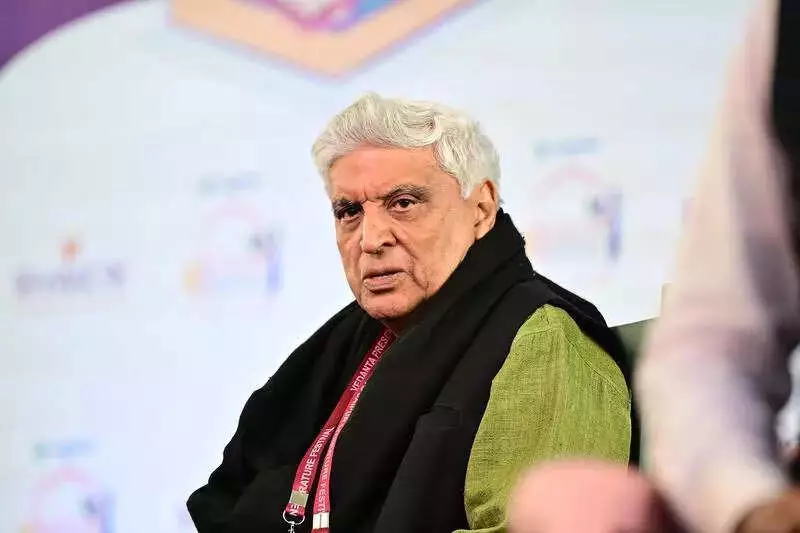
Veteran lyricist, poet, and screenwriter Javed Akhtar opened the Jaipur Literature Festival 2026 with a powerful session titled 'Javed Akhtar: Points of View'. Speaking on Thursday, Akhtar shared his views on secularism, family influence, and the role of cinema in society.
Secularism as a Lived Experience
In conversation with human rights advocate Warisha Farasat, Akhtar emphasized that secular values cannot be taught through formal instruction. He stated clearly, "There is no crash course in secularism. If you have to be taught that, then it's fake, artificial, but if you are raised with it, then it becomes a part of you."
Akhtar explained that secularism develops naturally through upbringing and daily experiences. He credited his grandparents for shaping his worldview, noting they lacked formal education but possessed strong ethical principles. His mother's influence also played a significant role in his development.

Cinema Reflects Society
Turning to Hindi cinema, Akhtar argued that films are inseparable from the society they depict. "Cinema is not a void; it can only reflect what is happening around us," he remarked.
He traced the evolution of the Hindi film hero to illustrate his point:
- Devdas, the rebel son fighting his mother Lalita Pawar to marry his beloved
- The socialist preacher championing social causes
- The vigilante hero emerging during the Emergency period
"Cinema is the mirror of shifting moralities and aspirations," Akhtar concluded, highlighting how film characters evolve alongside societal changes.
Personal Anecdotes and Humor
When asked about his decision to stop wearing spectacles, Akhtar responded with characteristic wit. He joked that seeing good faces and maintaining good intentions made glasses unnecessary. This lighthearted comment drew applause and laughter from the audience.
The session provided deep insights into Akhtar's perspectives on culture, values, and artistic expression. His remarks underscored the importance of organic value formation through family and community rather than formal indoctrination.