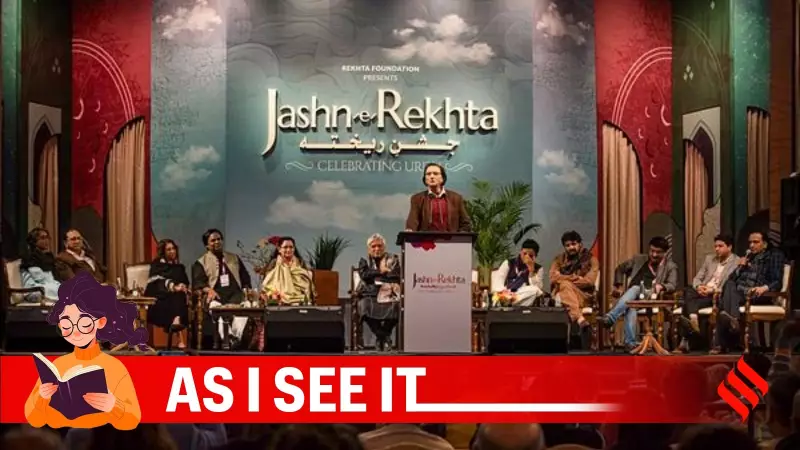
As 2025 drew to a close, the anticipation for the annual cultural spectacle, Jashn-e-Rekhta, reached a crescendo across India. The festival, a beacon for the Urdu language, marked a significant milestone: its tenth anniversary. This decade-long journey has seen it evolve from a niche gathering into a colossal cultural event, but its very success has now ignited a profound debate about accessibility, commercialism, and the preservation of its core spirit.
From Humble Roots to Cultural Juggernaut
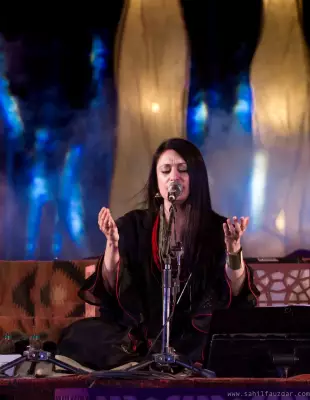
Jashn-e-Rekhta's growth trajectory is nothing short of phenomenal. Starting with audiences in the thousands, the festival's attendance swelled to over 100,000 by 2025. Over ten years, it weathered societal and political shifts, and even emerged as a resilient cultural anchor during the COVID-19 hiatus. Events like Bazm-e-Khayal, Sukhan Zaar, Aiwan-e-Zaiqa, and Mehfil Khana became hallmarks of its success, celebrated fervently on social media and through word-of-mouth. The festival transformed into an emotion, a homecoming for lovers of Urdu poetry, Persian verses, and Sufi narratives.
The Rekhta Foundation's mission to bridge cultural divides and showcase the beauty of Urdu to a global audience has been widely lauded. It created a unique trilingual space (Urdu-Hindi-English) that shortened the distance to a language often perceived as elusive. The sight of people passionately wearing "I Love Urdu" badges became synonymous with the Jashn's vibrant atmosphere.

The Price of Progress: Tiered Tickets and Rising Discontent
However, the very foundation of this inclusive celebration now appears to be under strain. The introduction of a four-tier ticketing system—Bronze, Silver, Gold, and Platinum—has become the epicenter of controversy. For many longtime Urdu aficionados, the festival that once felt like a free-flowing celebration of language now feels gated, accessible primarily to the privileged.
The criticism is multifaceted. Purists question the sudden shift towards high ticket prices, with some passes costing thousands of rupees, for an event fundamentally dedicated to "celebrating Urdu." The visible contradiction of English signboards proclaiming love for Urdu alongside the core message has further unsettled the community. A sentiment echoed by many is captured in the poignant line: "Agar Urdu mar rahi hai, toh main usi tarah marna chahta hoon" (If Urdu is dying, I'd love to die the same way).
Loyal followers express a sense of being "bamboozled" and out of place in an environment that is increasingly resembling a commercial concert rather than an intimate literary gathering. They fear the charged air of poetic recitation is being diminished by a glitzy, transactional atmosphere.
Commerce vs. Culture: An Inherent Conflict
The expansion of the festival, including its foray into international venues like Dubai, necessitates funding. Yet, the core question remains: how high are the stakes for culture versus commerce? The article invokes Shirley Chisholm's famous warning that "when morality comes up against profit, it is seldom that profit loses," framing the dilemma at the heart of Jashn-e-Rekhta's current phase.
Is the festival filling its lanes with genuine, overpowering love for Urdu, or with what some term the "wannabe" crowd drawn by elite access? The risk, as critics point out, is the gradual paving of a way for elitism within a space meant to democratize a rich linguistic heritage.
Looking Ahead: A Hope for Authentic Exchange
Despite the growing pains, shreds of the festival's original spirit undeniably live on. It continues to be a powerful platform for underrated maestros and a global custodian of literature. The concluding note is one of cautious hope, underscored by a sher from poet Bashir Badr, wishing for a reunion next year that feels less like a misplaced homecoming.
The ultimate challenge for Jashn-e-Rekhta as it enters its second decade is to navigate its scaling success without severing its soul. If there must be a transaction, the hope is for it to remain one of pure cultural exchange—panegyrics in honour of Urdu and eulogies for its eloquent voices, accessible to the heart that beats for the language, not just the wallet that can afford it.