The Shimmering Giants of Jaipur's City Palace
Upon entering the Diwan-i-Khas in Jaipur's City Palace, visitors are immediately captivated by two massive silver vessels that gleam against the red and pink sandstone backdrop. These are not mere decorative pieces but monumental symbols of royal devotion and the enduring legacy of the "Land of Rulers." The history of the City Palace is deeply intertwined with Jaipur itself, having witnessed dynastic shifts and the preservation of a globally acclaimed heritage. Among its treasures, the tales of Sawai Ram Singh II and Sawai Madho Singh II shine brightly, with the latter's faith physically embodied in these extraordinary silver jars.
A King's Dilemma and Divine Solution
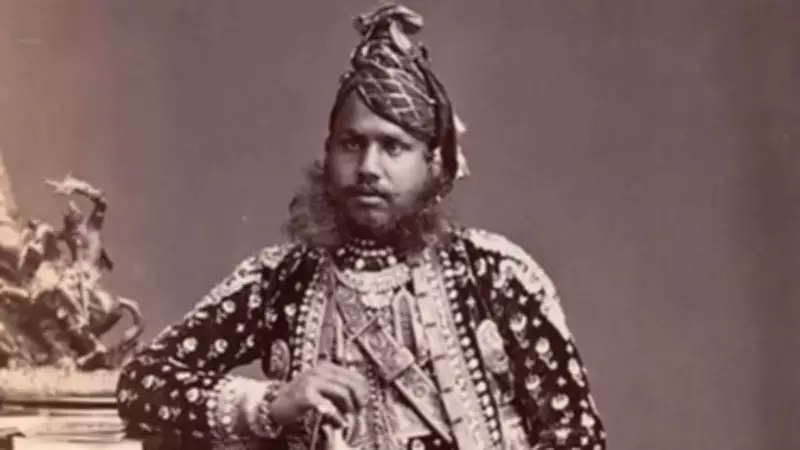
Sawai Madho Singh II, an adopted descendant of the Kachhawa clan tracing lineage to Kush, son of the Hindu god Rama, was a man of profound spirituality. In 1902, he faced a critical juncture when invited to London for the coronation of King Edward VII. For devout Hindus of that era, crossing the ocean was considered a religious transgression that could lead to loss of caste, as overseas water was deemed impure for drinking. Caught between religious edicts and political obligations to the British Crown, the Maharaja devised a ingenious compromise: he would travel, but carry India with him.
To sustain himself during the three-month journey, he commissioned the creation of three giant silver jars, each capable of holding 4,000 liters of Gangajal (holy water from the Ganges River), considered pure in Hinduism. Crafted by Govind Narain over two years using 14,000 silver coins, these urns were a testament to both artistry and necessity. The Maharaja chartered the ship Olympia from Bombay at a cost of ₹15 lakh, ensuring it had never served beef to maintain purity. He also brought an idol of the royal deity Gobind Deoji, soil from Jaipur to spread under his bed, and a retinue including 132 servants and Hindu priests.

A Stormy Voyage and Historic Arrival
Before departure, 25 priests conducted ceremonies aboard to appease Lord Varuna, the Hindu god of the ocean, with symbolic offerings of pearls, diamonds, and gold coins dropped into the sea. The ship featured six lavish suites, allocated for the idol, the king, a priest, and his minister. However, during a fierce storm in the Red Sea, the king was advised to sacrifice one jar, the Gangajali Kalash, by dropping it into the ocean to calm Lord Varuna's wrath. The storm subsided, allowing the remaining two jars to complete the voyage.
Upon reaching British shores, Maharaja Madho Singh II presented King Edward VII with a magnificent 2,000-carat diamond-encrusted sword crafted by Jaipur jeweler Seth Banji Tholia, featuring steel, gold, and enamel in blue, green, and red with emerald leaves. Notably, the Maharaja declined the coronation dinner, dining in his accommodation due to dietary restrictions. He returned safely to Bombay on September 12, 1902, welcomed by a grand reception in Jaipur.
Legacy and Guinness World Record
Today, the two surviving silver urns are star exhibits at the City Palace Museum, each weighing 242.7 kilograms, standing 1.6 meters tall with a circumference of 2.48 meters. In 1902, they earned a place in the Guinness Book of World Records as the largest single pieces of silver ever made. According to official records, these ornate, life-sized vessels exemplify a unique blend of religious commitment and royal opulence, preserving the story of a Maharaja who navigated tradition and diplomacy with unwavering faith.