Irula Nritham Takes Center Stage at Kerala's Premier School Arts Festival
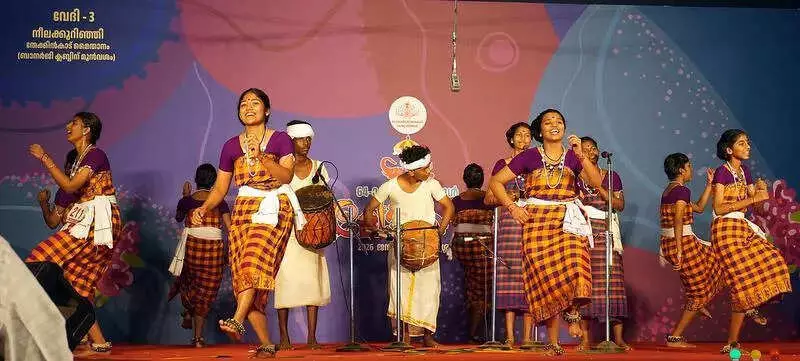
The rhythmic beats of traditional tribal instruments echoed through Thrissur as Irula Nritham made a spectacular debut at the State School Arts Festival. This indigenous art form, originating from the Irula tribe of Attapadi in Palakkad, captivated audiences and judges alike with its authentic cultural expression.
Students Embrace Tribal Heritage Through Dance
Approximately twenty teams competed passionately in the High School and Higher Secondary School categories. Students from classes nine through thirteen participated enthusiastically, treating the event as more than just a competition. For these young performers, Irula Nritham became a profound journey into Kerala's aboriginal traditions.
The festival inclusion marks a deliberate effort by educational authorities to bring this marginalized art form into the mainstream. Participants gained invaluable insights into the state's tribal communities through their immersion in Irula Nritham.

Workshop Transforms Performances from Imitation to Authenticity
A crucial three-day workshop organized by the Kudumbashree Mission's Community Theatre Initiative in Attapadi proved instrumental. This intensive training allowed students to move beyond superficial imitation. They absorbed the rich cultural heritage of the Irula Tribe, infusing their performances with genuine tribal spirit.
Most mentors hailed directly from Attappadi, providing authentic guidance. They expressed immense satisfaction seeing the platform revive interest in Irula Nritham among younger generations. "This initiative helps preserve our cultural legacy for the future," one mentor remarked.
Audience Connects with Once-Forgotten Art Form
Community Theatre Initiative director Sudheesh Maruthalam shared his emotional response. "Witnessing the audience connect deeply with Irula Nritham is truly heartwarming. Just years ago, this art remained largely unknown outside tribal communities," he observed.
The art form thrives as an oral tradition without written scripts, blending Tamil and Kannada dialects. Key characteristics include:
- Strong emphasis on rhythmic patterns
- Traditional instruments like kogal, thavil, parai, and jalra
- Authentic tribal costumes for dancers
- Natural, makeup-free appearances to maintain originality
Cultural Significance and Evolving Traditions
Historically, Irula Nritham accompanied important life events within the tribe:
- Marriage ceremonies
- Harvest celebrations
- Menarche rituals
Recently, communities have adapted the dance for funeral ceremonies too. A participant from Government High School in Nedumkunnam, Kottayam explained this unique practice. "When someone passes away, we don't mourn silently. We dance joyfully to ensure a positive farewell for the departed soul," the student revealed.
The festival success demonstrates how traditional art forms can find new life through educational platforms. Irula Nritham's vibrant presence at Thrissur signals a hopeful future for Kerala's indigenous cultural preservation.