Archaeologists working in Indonesia have made a remarkable discovery. A deep excavation on the island of Sulawesi has revealed evidence that modern humans and an older hominin species might have used the same cave. They possibly occupied it during overlapping time periods.
Significant Findings from Sulawesi
Sulawesi holds a crucial position in the Indonesian archipelago. It is the country's fourth largest island. More importantly, it sits between mainland Southeast Asia and the region known as Sahul, which includes Australia and New Guinea. This location likely made it a key stepping stone for ancient human populations moving eastward.
For archaeologists, this makes any evidence found on Sulawesi extremely valuable. It can help trace how different human groups moved, adapted, and potentially met as they traveled through the region.

A Decade of Digging at Leang Bulu Bettue
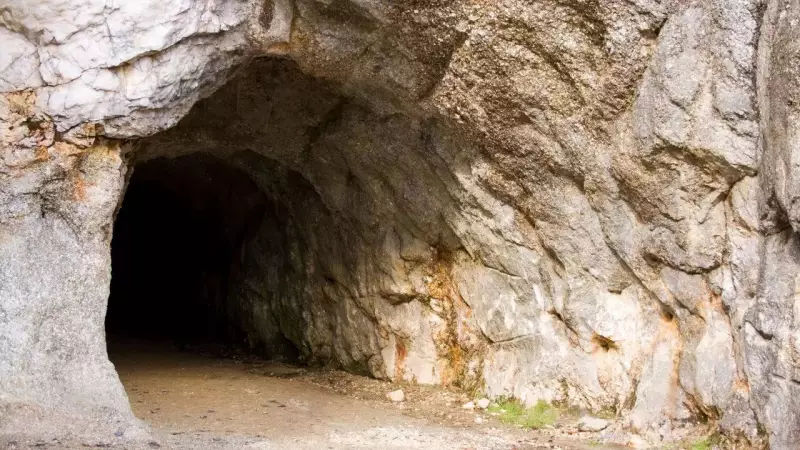
On the southern part of Sulawesi, researchers have been excavating the Leang Bulu Bettue cave since 2013. Their work intensified in 2023 when they completed a dig reaching about 26 feet deep. Each layer of soil and artifacts represents a different period of occupation, stacked over tens of thousands of years.
The deepest levels date back close to 200,000 years. A recent study published in the journal PLOS ONE details these findings. The study is titled "A near-continuous archaeological record of Pleistocene human occupation at Leang Bulu Bettue, Sulawesi, Indonesia." It reports a sharp and clear shift in the archaeological record around 40,000 years ago.
Clues from an Older Population
Below the 40,000-year mark, the cave contains simple stone tools. These are known as cobble and flake implements. Ancient toolmakers created them by striking river stones to produce sharp edges. Some tools appear to have been used as picks or cutting instruments.
Alongside these tools, researchers made an unexpected find: monkey bones. Hunting agile animals like monkeys requires significant planning and skill. This kind of behavior is not typically associated with very early hominins. The discovery suggests this older group may have been more capable than scientists previously assumed.
No fossils of these ancient toolmakers have been found yet. Scientists have proposed several possibilities for their identity. They could be Homo erectus, Denisovans, a dwarfed relative of Homo erectus, or an entirely unknown hominin species.
The Arrival of Modern Humans
Around 40,000 years ago, the material record in the cave changes noticeably. Above this level, archaeologists found jewellery, portable stone art, and more refined tools. The types of animal remains also shift, indicating different hunting and food processing practices.
These elements are widely associated with Homo sapiens, or modern humans. Their appearance strongly suggests that humans arrived on Sulawesi at this time and altered how the cave was used. Whether their arrival overlapped with the earlier hominin population remains an open question. However, the sequence of layers places the two groups close enough in time to make this a distinct possibility.
A Rare Opportunity to Study Overlap
Researchers say Leang Bulu Bettue offers one of the best chances anywhere to identify a potential meeting point between human species. Adam Brumm of Griffith University highlighted this point. He noted that Australia lacks this depth of history, as it was only inhabited by modern humans.
Sulawesi, by contrast, hosted hominins for hundreds of thousands of years before Homo sapiens arrived. Digging deeper into the cave's layers increases the chance of finding direct evidence of overlap between species.
Excavations Will Continue
The archaeological team believes more layers remain below the current excavation level. Further work could uncover additional tools or even the much-sought-after fossils of the older hominins.
Such discoveries would not only reshape our understanding of Sulawesi's past. They would also add crucial pieces to the broader picture of how different human species moved through and shared the ancient world. For now, the cave continues to offer fragments of history rather than complete answers, quietly holding its deeper secrets in place.