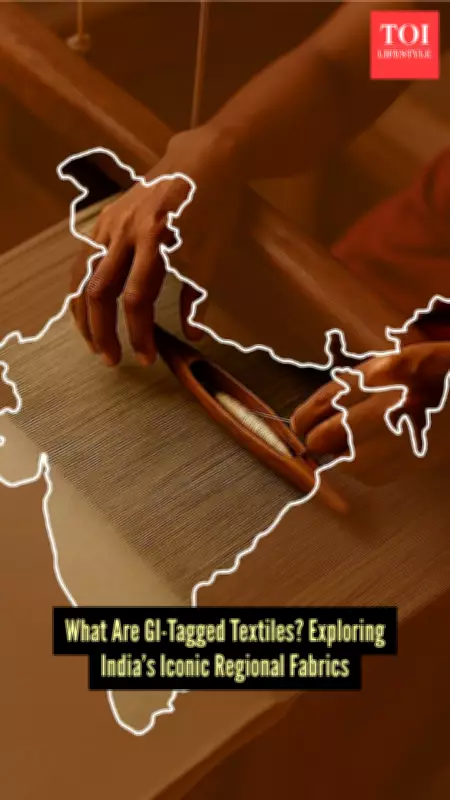
India's GI-Tagged Fabrics: Preserving a Rich Textile Heritage
India's textile heritage is as diverse and vibrant as its vast geography, serving as a powerful means to protect and celebrate the nation's enduring legacy and culture. The Geographical Indication (GI) tag is a crucial certification that firmly links a product's identity to its specific place of origin, ensuring that its authenticity cannot be replicated or copied by others. This system not only safeguards traditional knowledge but also promotes economic benefits for local artisans and communities. By examining some of India's GI-tagged textiles, we gain insight into the unique craftsmanship that defines particular regions, highlighting the intricate skills passed down through generations.
The Significance of GI Tags in Indian Textiles
The GI tag plays a pivotal role in the textile industry by providing legal protection against imitation and misuse. It certifies that a product possesses specific qualities, reputation, or characteristics attributable to its geographical origin. For India, this means that fabrics like Banarasi silk from Varanasi or Kanchipuram silk from Tamil Nadu are recognized globally for their distinctiveness, rooted in local traditions and techniques. This certification helps in preserving cultural heritage while boosting market value and consumer trust. Moreover, it encourages sustainable practices by supporting local economies and reducing the risk of cultural appropriation.
Notable GI-Tagged Textiles Across India
India boasts a wide array of GI-tagged textiles, each representing the rich craftsmanship of its region. Here are some prominent examples:

- Banarasi Silk Sarees: Originating from Varanasi, Uttar Pradesh, these sarees are renowned for their intricate gold and silver brocade work, often featuring Mughal-inspired designs.
- Kanjeevaram Silk Sarees: Hailing from Kanchipuram, Tamil Nadu, these sarees are celebrated for their vibrant colors, heavy silk fabric, and traditional temple border patterns.
- Pochampally Ikat: From Telangana, this textile involves a complex dyeing and weaving technique that creates geometric patterns, recognized for its precision and artistry.
- Kashmir Pashmina: Sourced from the Kashmir region, this fine wool fabric is prized for its softness, warmth, and intricate embroidery, often used in shawls and scarves.
- Patola Silk: From Gujarat, Patola sarees are double ikat woven, requiring meticulous skill to align patterns, making them highly valuable and culturally significant.
Impact on Culture and Economy
The GI tag not only preserves cultural identity but also drives economic growth by enhancing the marketability of these textiles. It empowers artisans by providing them with a competitive edge in both domestic and international markets. Consumers benefit from assured quality and authenticity, fostering a deeper appreciation for India's textile traditions. Additionally, this system promotes tourism, as people are drawn to regions known for their unique fabrics, further supporting local industries. By celebrating these GI-tagged textiles, India continues to honor its past while building a sustainable future for its craft communities.
In summary, India's GI-tagged fabrics are a testament to the country's rich textile heritage, blending artistry with legal protection to safeguard cultural treasures for generations to come.