A profound transformation is reshaping the Indian wedding landscape. The era of extravagant mandaps and impersonal banquet halls is giving way to a preference for intimate, meaningful celebrations set within the walls of history. Couples across the country are increasingly choosing centuries-old forts, fresco-lined havelis, and restored palaces as the backdrop for their pheras. This shift is not merely aesthetic; it represents a deeper desire for authenticity, intimacy, and a connection to cultural roots over what many now see as an empty performance of ceremony.
The Allure of Narrative: Why Heritage Venues Are Coveted
While destination weddings have been popular in India for years, the choice of venue has evolved significantly. Today's couples are highly conscious of their setting, seeking places that offer a unique story. The country provides a plethora of options, from the traditional forts of Rajasthan and Portuguese villas in Goa to the serene tea gardens of Darjeeling. Among these, restored forts, palace courtyards, heritage resorts, and village havelis have emerged as the most coveted choices.
These venues provide something routine commercial spaces cannot: a rich narrative. They are layered with histories, regional architecture, and a slower rhythm of life. For couples, this translates into weddings that are deeply personal, individualistic, and visually distinctive. The appeal lies in a perfect balance of grandeur with genuine intimacy, devoid of obscene showmanship.

As Atul Khanna, owner of Vivaana Heritage Properties, insightfully notes, "These havelis were never meant to be frozen in time. They were lived in, celebrated in, and shared—bringing them back to life through hospitality is a way of saving them." This perspective highlights a key driver of the trend: heritage conservation through sustainable tourism and celebration.
Post-Pandemic Intimacy and Celebrity Influence
The COVID-19 pandemic acted as a catalyst, amplifying the preference for smaller guest lists and events spread across several days. A village haveli or a fort naturally restricts numbers, fostering a powerful sense of togetherness and providing a common ambience for eating, dancing, and merrymaking.
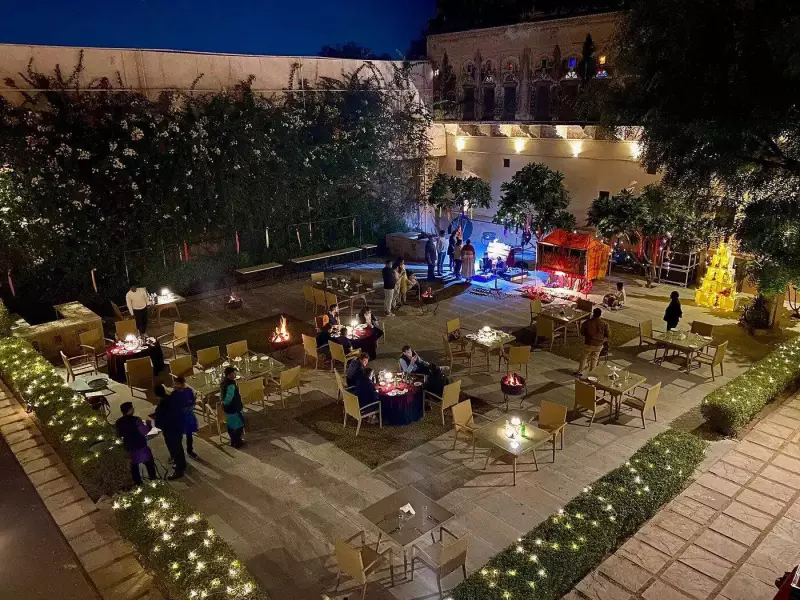
High-profile celebrity weddings have further validated this trend. The wedding of Bollywood actors Katrina Kaif and Vicky Kaushal at the heritage fort Six Senses Barwara showcased a move from ostentation towards elegance steeped in history. A more recent example that captures this sensibility is stylist Devanshi Tuli's wedding in Madawa, Rajasthan, hosted at the Vivaana Heritage Hotel.
Her celebration was remarkable for its thoughtful reinvention of tradition, featuring a shared baraat, locally inspired décor, and minimal floral arrangements. The design philosophy allowed the haveli's own architecture—its frescoes, courtyards, and village surroundings—to take center stage, blending creativity with the rustic charm of Shekhawati's painted havelis.
Redefining Luxury: Craftsmanship, Authenticity, and Nostalgia
Such weddings have successfully reframed the idea of luxury. It is no longer defined by scale alone but by craftsmanship, authenticity, and design details that allow for a true celebration of rituals coexisting with history. This trend also taps into a powerful emotion: nostalgia. In an age of rapid change, these venues evoke a longing for permanence and timeless beauty.
As Atul Khanna puts it, "People travel across the world to discover villages in Italy or elsewhere. It’s time they start discovering their own villages—they are just as beautiful." Heritage venues offer more than a picturesque backdrop. They provide immersive experiences through village walks, regional cuisine, local art, and crafts, creating evenings that feel unhurried and anchored in lasting memories rather than just ceremony.
Modern Indian wedding aesthetics now value context over spectacle, registering a new emotional and visual language. Properties like Vivaana exemplify this movement, foregrounding a contemporary desire for immersive, culturally grounded, and environmentally conscious celebrations. This allows modern love to unfold against centuries-old settings, making weddings feel deeply personal and beautifully timeless.