Content Creator Turns Tilak Artist in Rishikesh, Earns Rs 2,500 in 3 Hours
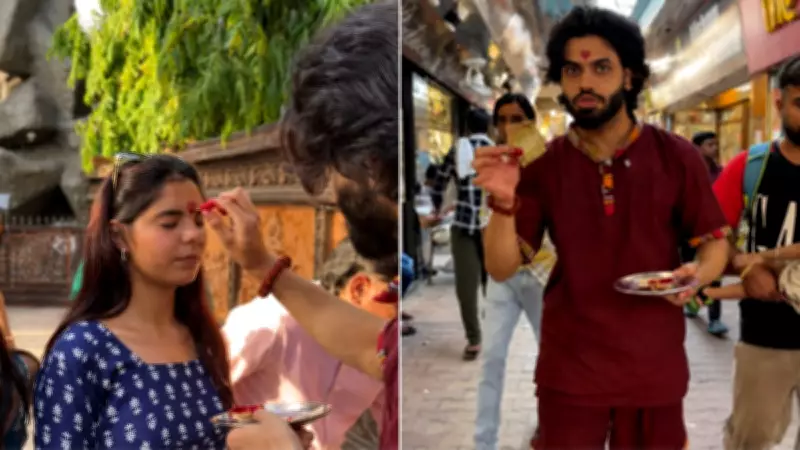
A content creator in Rishikesh has sparked a viral debate after applying tilak to strangers and earning Rs 2,500 in just three hours. The video, shared on Instagram by user @iamadityasharmaaa, shows the man setting up a small stall near a temple and offering tilak application for a donation. According to the video, he earned Rs 2,500 within three hours, with many devotees willingly contributing.
How the Experiment Unfolded
In the video, the content creator is seen wearing traditional attire and applying tilak to passersby. He explains that he chose Rishikesh, a holy city known for its temples and spiritual atmosphere, to test how much he could earn through this simple act of devotion. The video captures several people stopping by, offering money, and receiving blessings. The creator claims that the total collection was Rs 2,500, which he considered a good amount for the short duration.
Viral Reaction and Mixed Opinions
The video quickly went viral, amassing over 1.5 million views on Instagram. While many praised the creator for his innovative idea, others criticized it as a commercialization of religious practices. One user commented, "This is a clever way to earn money, but it feels like exploiting faith." Another wrote, "In Rishikesh, tilak is given for free; this is just a gimmick." However, supporters argued that it was a voluntary donation and not mandatory, making it a fair exchange.

Financial Breakdown and Impact
The content creator shared that he spent only Rs 50 on materials like sandalwood paste and kumkum, making a net profit of Rs 2,450. He said, "I wanted to show that even simple ideas can generate income if executed with sincerity." The video also highlights the growing trend of content creators using traditional practices to engage audiences and earn money, raising questions about the intersection of spirituality and commerce.
According to local priests, tilak application is traditionally a free service in temples, but donations are accepted. The experiment has opened a dialogue about the evolving nature of religious rituals in the digital age.