Indian Rugs Rewild Art: Weaving Landscapes into Sustainable Craft
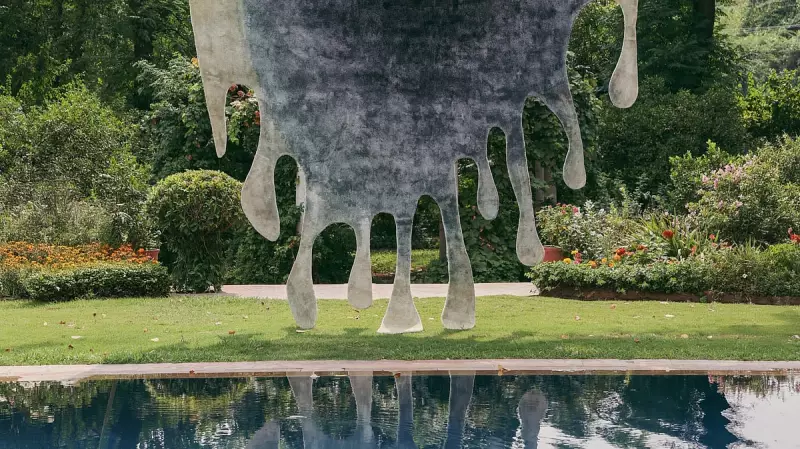
In a remarkable fusion of tradition and ecology, Indian artisans are crafting rugs that do more than cover floors. These creations are shaped by the land itself, capturing the essence of natural landscapes in every thread. The process involves rewilding concepts, where designs reflect the untamed beauty of forests, rivers, and mountains.
Artisans Blend Nature with Craftsmanship
Skilled weavers across India are turning to their surroundings for inspiration. They observe the textures of soil, the patterns of leaves, and the flow of water. This close connection to nature allows them to produce rugs that feel alive. Each piece tells a story of the environment, making it a unique work of art.
The use of sustainable materials is a key focus. Artisans often source natural fibers like wool, cotton, and jute from local regions. These materials are dyed with plant-based colors, reducing chemical impact. This approach not only supports eco-friendly practices but also enhances the rug's authenticity.

Rewilding Concepts Transform Design
Rewilding in rug-making means embracing irregularity and natural forms. Instead of rigid geometric patterns, designs mimic organic shapes found in nature. Think of the meandering lines of a riverbank or the random scatter of stones in a field. This method celebrates imperfection, adding depth and character to each rug.
Artisans experiment with techniques that allow the land to influence the final product. For example, some rugs are woven to reflect seasonal changes, with colors shifting from the greens of monsoon to the browns of dry summer. This dynamic quality makes the rugs not just decorative items but evolving pieces of art.
Sustainability Drives Innovation
The move towards rewilded rugs is part of a broader trend in sustainable craft. Indian weavers are leading the way by combining ancient skills with modern environmental awareness. They prioritize low-impact production methods, often working in small-scale workshops that minimize waste.
This focus on sustainability extends to the economic side as well. By creating high-value, eco-conscious products, artisans can command better prices in global markets. It empowers local communities and preserves cultural heritage while adapting to contemporary demands.
Impact on Art and Culture
These rugs are reshaping perceptions of Indian art and culture. They show how traditional crafts can evolve to address today's ecological challenges. Collectors and designers worldwide are taking notice, drawn to the rugs' unique blend of beauty and responsibility.
The trend also highlights the importance of preserving natural landscapes. As rugs become canvases for rewilding, they remind us of the need to protect our environment. It's a powerful statement that art can inspire conservation and connection to the earth.
In summary, Indian rugs shaped by the land and rewilded are more than just home decor. They represent a creative movement where craftsmanship meets sustainability, offering a fresh perspective on both art and ecology.