The Frozen Child of the Andes: Uncovering the Llullaillaco Maiden
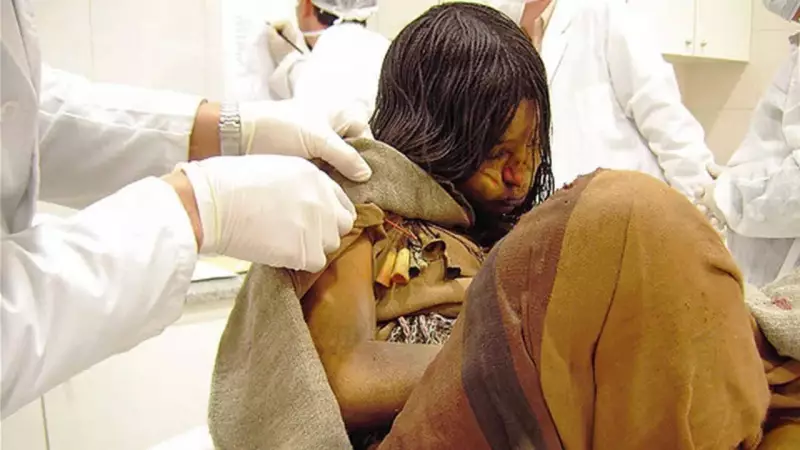
High in the formidable Andes mountains, where clouds veil the peaks and human presence feels distant, archaeologists made a discovery that continues to captivate the world. The Llullaillaco Maiden represents an Inca girl sacrificed approximately five centuries ago during a sacred capacocha ceremony. Left on the volcanic slopes at an altitude so extreme it created natural preservation conditions, her remains were found in near-perfect condition, offering an unparalleled glimpse into ancient rituals.
Astonishing Preservation in Extreme Conditions
When discovered in 1999 alongside two other children, the Llullaillaco Maiden presented a remarkable sight. Her skin, intricately braided hair, traditional clothing, and even internal organs remained astonishingly intact. This level of preservation makes her one of the most lifelike ancient mummies ever encountered by researchers. The extreme altitude and freezing temperatures of Llullaillaco volcano, rising over 6,700 meters above sea level, created an environment that essentially froze time, preventing decay in ways rarely observed in archaeological finds.
The Sacred Capacocha Ritual Explained
The Llullaillaco Maiden was part of a capacocha ceremony, one of the most significant religious practices in the Inca Empire. These were not random acts of violence but carefully organized state rituals performed to honor powerful mountain deities and seek divine protection. Historical accounts from the Spanish colonial period describe capacocha as sacred duties conducted during major imperial events, ceremonies, or times of crisis.

Key aspects of the ritual included:
- Children were often chosen for their perceived purity
- Some victims came from high-status families
- Ceremonies took place at mountain shrines considered closer to divine power
- Victims were prepared over time with special treatment
The 1999 Discovery Expedition
The groundbreaking discovery resulted from an archaeological expedition led by Johan Reinhard, a researcher specializing in high-altitude Inca sites, working alongside Argentine archaeologist Constanza Ceruti and their team. Their exploration of Llullaillaco's summit shrine revealed not just individual burials but an entire ritual site preserved exactly as it had been left five centuries earlier. National Geographic later described this find as powerful physical evidence that corroborated early written accounts of Inca sacrifice practices.
Scientific Revelations from the Maiden's Body
The exceptional preservation of the Llullaillaco Maiden has enabled scientific insights rarely possible with ancient remains. Researchers have examined soft tissues, internal organs, and biological traces that typically don't survive through centuries. Analysis of her hair revealed traces of coca and alcohol in the period before her death, suggesting these substances were used to sedate or calm sacrificial victims. Hair evidence also indicated dietary changes, showing the Maiden received elevated foods and special treatment prior to the ceremony.
Contemporary Significance and Ethical Debates
Today, the Llullaillaco mummies are housed at Argentina's Museum of High Altitude Archaeology in Salta, maintained under carefully controlled conditions to prevent deterioration. This display has sparked ethical discussions, particularly among Indigenous communities who argue that sacred remains should not be exhibited publicly. The museum defends its preservation efforts as necessary protection against looting and as educational tools about Andean history.
Despite these debates, the archaeological importance remains undeniable. The Llullaillaco Maiden stands as a powerful testament to how extreme environments can preserve the past and how single discoveries can illuminate the complex beliefs, political structures, and ritual practices of the Inca Empire that once dominated the Andes region.