In the historic lanes of Hyderabad's Old City, a remarkable tradition continues to flourish at the Hazrath Shaikh Ji Hali Abuh Ulairh Dargah in Patherghatti. This modest shrine has become a unique beacon of interfaith harmony as it prepares to celebrate Vasant Panchami for the tenth consecutive year, standing as the only dargah in Hyderabad where this Hindu spring festival is observed with full devotion and participation.
A Living Symbol of Ganga-Jamuni Tehzeeb
The annual celebration at this centuries-old dargah represents more than just a festival observance—it embodies Hyderabad's composite cultural soul and the enduring spirit of Ganga-Jamuni tehzeeb that has characterized the city's social fabric for generations. What began as a revival of historical practices has transformed into a significant interfaith event that draws participants from both Hindu and Muslim communities, creating a rare space for shared cultural expression.
Historical Roots and Revival
According to Muzaffar Ali Soofi Chisti, the Sajjada Nasheen and Muttawali (custodian and convenor) of the dargah, the tradition was revived a decade ago after discovering historical connections to the Qutb Shahi period. "We traced records showing that Vasant Panchami was observed at various shrines and royal courts across the Deccan region during that era," explained Chisti. "The intention was to restore a practice that once existed here and to reflect Hyderabad's shared cultural legacy. This dargah has always maintained an open-door policy for people of all faiths, and celebrating Vasant Panchami aligns perfectly with that inclusive ethos."

Sufi Basant: A Centuries-Old Tradition
While Vasant Panchami is commonly associated with Saraswati puja in Hindu tradition, it holds deep significance in Sufi practices as well, particularly among followers of the Chishti order. The tradition of Sufi Basant dates back to the 12th century at the dargah of Hazrat Nizamuddin Auliya in Delhi, where it was reportedly introduced by his celebrated disciple, the poet and musician Amir Khusrau.
Anuradha Reddy of INTACH Hyderabad elaborated on this historical connection: "Historical accounts suggest that Khusrau sought to lift his spiritual guide from mourning after the death of his nephew. Inspired by women celebrating spring in yellow attire, Khusrau dressed similarly, carried mustard flowers, and performed spring songs for his Pir. This heartfelt gesture reportedly ended Nizamuddin Auliya's mourning period and established the annual observance of Sufi Basant."
Celebration Details and Community Impact
The Vasant Panchami celebration at Patherghatti dargah follows traditional patterns with distinctive local adaptations:
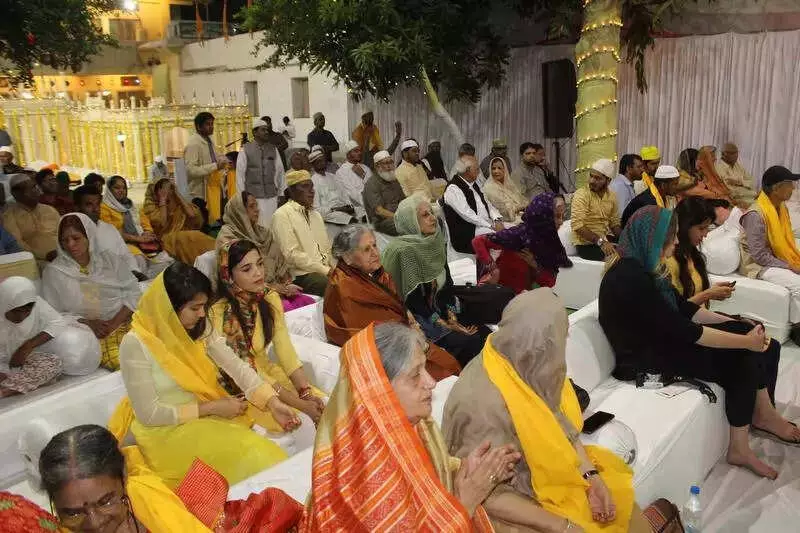
- The dargah premises are decorated extensively with yellow and marigold flowers
- A Sufi mehfil followed by qawwali performances takes place in the evening
- Devotees and visitors dress in yellow clothing as per tradition
- The event focuses on cultural rather than religious rituals
Mohd Masood, a regular attendee, shared his perspective: "In today's world, you rarely witness festivals transcending religious boundaries in such meaningful ways. There are no exclusive religious rituals here—instead, it's about welcoming spring through music, vibrant colors, and shared cultural appreciation. This dargah has successfully preserved that inclusive spirit."
Broader Significance and Future Prospects
The continued success of this interfaith celebration demonstrates how historical traditions can be revived to foster contemporary community harmony. As Hyderabad evolves as a modern metropolis, such practices serve as important reminders of the city's syncretic heritage and provide models for peaceful coexistence.
The dargah's decade-long commitment to celebrating Vasant Panchami has established it as a unique cultural landmark, attracting not only local devotees but also researchers, cultural enthusiasts, and those interested in India's pluralistic traditions. The event has grown organically over the years, maintaining its authentic character while adapting to contemporary contexts.

This celebration occurs on Magha Shukla Panchami, typically falling in January or February, marking the onset of spring. The timing aligns with agricultural cycles and seasonal changes, adding another layer of significance to the observance that connects human celebration with natural rhythms.