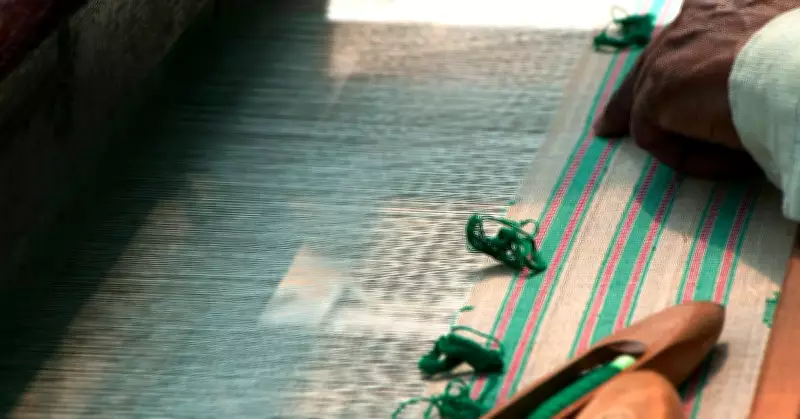
The Enduring Legacy of Hubli's Six Yards
In the bustling city of Hubli, Karnataka, a rich textile heritage whispers through the threads of its iconic six-yard sarees. While these traditional garments may have faded somewhat from collective memory, their essence survives vibrantly in the skilled craft of local weavers. This story delves into how Hubli's saree motifs continue to reflect and influence other weaving traditions across the broader Deccan region.
A Craft That Defies Time
Hemalatha Jain, a noted writer on textile arts, brings to light the intricate journey of Hubli sarees. Despite modern shifts in fashion and lifestyle, the handloom techniques used here have demonstrated remarkable resilience. The sarees are not merely pieces of fabric; they are woven narratives that capture the cultural and historical spirit of the area.
Key characteristics of Hubli sarees include:

- Distinctive Motifs: Often featuring geometric patterns, floral designs, and symbolic elements unique to the region.
- Traditional Weaving Methods: Employing age-old techniques passed down through generations, ensuring authenticity and quality.
- Cultural Significance: Each saree tells a story, reflecting local traditions, festivals, and community values.
Reflections Across the Deccan Weaving Landscape
The influence of Hubli's saree motifs extends far beyond its city limits. In the Deccan region, which encompasses parts of Karnataka, Maharashtra, and Telangana, various weaving communities have integrated similar patterns into their own textiles. This cross-pollination of designs highlights a shared heritage and collaborative spirit among artisans.
Examples of this reflection include:
- Ilkal sarees from neighboring regions, which often incorporate Hubli-inspired borders and pallu designs.
- Paithani weaves from Maharashtra, where floral motifs reminiscent of Hubli styles can be observed.
- Gadwal sarees from Telangana, showcasing geometric patterns that echo the precision found in Hubli textiles.
This interplay not only preserves Hubli's legacy but also enriches the overall tapestry of Deccan handloom, fostering a sense of unity and continuity in craftsmanship.
Challenges and Preservation Efforts
Despite their survival, Hubli sarees face challenges such as competition from machine-made fabrics, declining interest among younger generations, and economic pressures on weavers. However, initiatives by local cooperatives, government schemes, and cultural organizations are working to revive and promote this craft.
Efforts include: training programs for new weavers, marketing campaigns to boost awareness, and exhibitions that showcase the sarees' artistic value. By supporting these endeavors, the community aims to ensure that Hubli's six yards do not vanish into obscurity but instead thrive as a living tradition.
In conclusion, the tale of Hubli's sarees is one of resilience and reflection. As memories may fade, the craft endures, weaving together past and present in a beautiful display of Deccan artistry. Through continued appreciation and support, this heritage can inspire future generations to cherish and sustain these timeless textiles.