Holika Dahan 2026: A Comprehensive Guide to the Festival of Fire
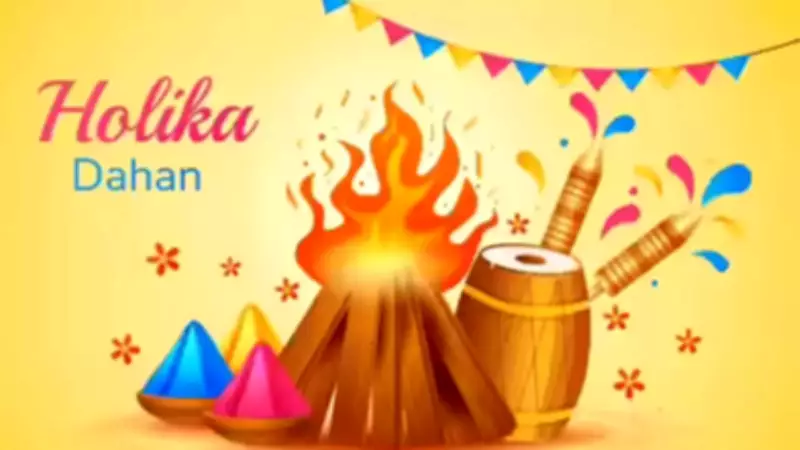
Holika Dahan, the ceremonial bonfire that marks the beginning of the vibrant Holi festival, will be celebrated on March 3, 2026. This auspicious event occurs on the Purnima Tithi (full moon day) in the Hindu month of Phalguna, honoring the legendary devotee Prahlad and symbolizing the eternal triumph of good over evil. Communities across India gather in the evening during a sacred muhurta to light pyres, perform puja, and recite ancient tales.
Holika Dahan 2026: Precise Date and Timings
The observance follows specific astrological timings, ensuring rituals align with cosmic energies. Below are the key dates and times for Holika Dahan in 2026:
- Purnima Tithi Begins: March 2, 2026, at 05:55 PM
- Purnima Tithi Ends: March 3, 2026, at 05:07 PM
- Bhadra Punchha: March 3, 2026, from 01:25 AM to 02:35 AM
- Bhadra Mukha: March 3, 2026, from 02:35 AM to 04:30 AM
- Holika Dahan Muhurta: March 3, 2026, from 06:22 PM to 08:50 PM
It is during the Holika Dahan Muhurta that the main bonfire lighting and puja ceremonies are conducted, harnessing the most auspicious period for spiritual practices.

The Profound Significance of Holika Dahan in Hinduism
Holika Dahan holds immense religious importance in Hindu tradition, serving as the precursor to the Holi festival. The ritual centers on the mythological story of Prahlad and Holika, which embodies core values of devotion and righteousness.
According to legend, Hiranyakashyapu, a demon king granted a boon by Lord Brahma that made him nearly invincible—he could not be killed by any animal, human, or demon, neither on earth nor in the sky. Arrogantly claiming divinity, he demanded worship as a god. However, his son Prahlad remained a steadfast devotee of Lord Vishnu, defying his father's orders.
Enraged, Hiranyakashyapu made multiple attempts to kill Prahlad, but each time, Lord Vishnu's grace protected the young devotee. In a final scheme, the king enlisted his sister Holika, who had received a blessing that she would not perish in fire. She sat in a bonfire with Prahlad on her lap during Holika Dahan. Through divine intervention, Lord Vishnu saved Prahlad, while Holika was consumed by the flames due to her malicious intent. This event earned Prahlad the title Bhakt Prahlad, celebrated for his unwavering dedication.
Today, Holika Dahan commemorates this victory of good over evil, with pyres built nationwide and puja performed around the burning flames, reinforcing faith and community bonds.
Traditional Puja Rituals for Holika Dahan 2026
The rituals of Holika Dahan are deeply rooted in tradition, involving careful preparation and collective participation. Here is a step-by-step overview of the common practices:
- Site Selection and Preparation: People choose an open, free area for the bonfire. In many towns and regions, local bonfires become focal points for community gatherings. Participants collect wood, dried neem leaves, and other essential items to build the pyre.
- Pre-Sunset Offerings: Before sunset, female devotees often lead prayers to Lord Bhairav. They offer haldi (turmeric), roli (sacred red powder), and tie a white holy thread around the pyre. A diya (lamp) fueled with mustard oil is lit, accompanied by offerings of sweets.
- Bonfire Lighting and Additions: After sunset, during the designated muhurta, the bonfire is ignited. Devotees add symbolic items such as elaichi (cardamom), laung (cloves), jaggery, coconut, and camphor into the flames, each representing purity and prosperity.
- Mantra Recitation and Blessings: As the fire burns, people recite powerful mantras, seeking blessings from Lord Vishnu and honoring Bhakt Prahlad. This spiritual practice reinforces the festival's message of devotion and moral victory.
These rituals not only preserve cultural heritage but also foster unity and spiritual reflection among participants, making Holika Dahan a cornerstone of Hindu festivities.