Holi in Mathura and Vrindavan: A Weeks-Long Celebration of Spirituality and Joy
When it comes to Holi, no destination in India rivals the vibrant, centuries-old festivities of Mathura and Vrindavan in Uttar Pradesh. This region, revered as Braj Bhoomi, the land where Lord Krishna spent his childhood, transforms annually into a kaleidoscope of traditions, rituals, and exuberant color play. Unlike typical one-day festivals, Holi here unfolds over weeks, brimming with music, spiritual fervor, cultural pageantry, and unique rites that attract pilgrims and travelers from across India and the globe.
Five Unforgettable Ways to Experience Holi in Mathura and Vrindavan
Below are five distinct traditions that offer a deeper flavor of Holi in this sacred region, each providing a unique perspective on the festival's rich heritage.
Phoolon Wali Holi: A Spiritual Floral Affair
For many visitors, the most uniquely spiritual Holi experience in Braj is Phoolon Wali Holi, celebrated with flowers instead of colored powders. Primarily held at the Banke Bihari Temple, this event features priests showering devotees with rose petals and marigolds, while the air fills with the scent of blossoms and devotional chants. Unlike the boisterous street celebrations, Phoolon Wali Holi is marked by a serene sense of devotion and calmness. Pilgrims and tourists gather in the temple courtyard early in the morning to witness this ritual, which typically occurs a few days before the main Holi day, offering a divine prelude to the colorful chaos.

Lathmar Holi: A Playful Tradition Rooted in Legend
Just a short distance from Mathura lies Barsana, home to Lathmar Holi, arguably the most famous Holi tradition in the region. This vibrant and playful riot of colors is based on a 5,000-year-old story from Krishna's youth. According to legend, young Krishna visited Radha's village and playfully teased her and her friends, leading the women to chase him with sticks (lathis). Today, this tradition is reenacted in Barsana and Nandgaon, where women playfully 'beat' men with sticks while singing folk songs, and men defend themselves with shields. Lathmar Holi is more than a spectacle; it fosters community through laughter, song, and celebration. The air fills with gulal (colored powder) worth millions, and the energetic beats of dhols and folk songs sustain high spirits throughout the day.
Dhulandi and Rangbhari Ekadashi: The Heart of Street Celebrations
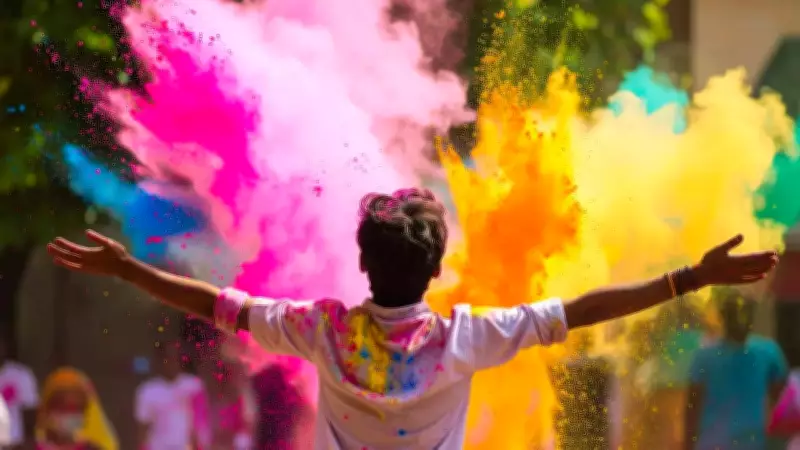
While temple-centered events are highlights, the traditional color battle in the streets, known as Dhulandi, embodies the core spirit of Holi in Braj. The festivities here are not confined to a single day; they can span nearly 40 days in the region, encompassing various rituals, music, and color events. The celebration begins with Holika Dahan, held the night before the main Holi day, where bonfires are lit to symbolize the triumph of good over evil. The following morning, Dhulandi takes over Mathura and Vrindavan, with locals and tourists throwing gulal, splashing colored water, and dancing to loud music in narrow market streets and open spaces. Additionally, Rangbhari Holi and Rangbhari Ekadashi are special days where heaps of colors are thrown in a pious atmosphere, particularly around famous temples.
Widow's Holi in Vrindavan: A Symbol of Social Change
Unique to Vrindavan is the relatively newer tradition of Widow's Holi. Once excluded from festive celebrations, widows in this spiritual town, home to many elderly residents, now participate in Holi with great enthusiasm. Organized at venues like the Gopinath Temple, this event is deeply moving and symbolic of social change, restoring dignity and joy to those traditionally marginalized. Widows sing devotional songs and play with colors and flowers, adding diversity to the festival while demonstrating how ancient traditions can evolve without losing their religious significance.

Indulge in Local Flavors and Holi Cuisine
Holi in Braj is not just a color festival; it is also a culinary delight. The local cuisine during Holi is an integral part of the cultural experience. Key dishes include gujiya, a sweet dumpling made from khoya and dry fruits, and thandai, a cold milk drink flavored with nuts and saffron. Seasoned travelers also recommend trying makhan mishri, kachori sabzi, and local sweets, readily available in the markets of Mathura and Vrindavan.
Tips for Travelers
To make the most of Holi in Braj, consider these practical tips:
- Plan Ahead: Holi can be crowded and colorful, so plan your visit in advance and choose safe routes.
- Respect Local Culture: Holi in Braj is a spiritual event; be mindful of modesty and consent during street celebrations.
- Use Natural Colors: Opt for herbal or natural colors to protect your skin and the environment.
- Stay Safe and Hydrated: Keep valuables secure and stay hydrated, as celebrations can last throughout the day and night.