In the heart of Punjab's Jalandhar city, an extraordinary example of India's rich cultural harmony unfolds daily. Hindu devotees regularly visit a Muslim shrine, maintaining a tradition that has continued uninterrupted for over 150 years, demonstrating that faith transcends religious boundaries.
A Century-Old Tradition of Unity
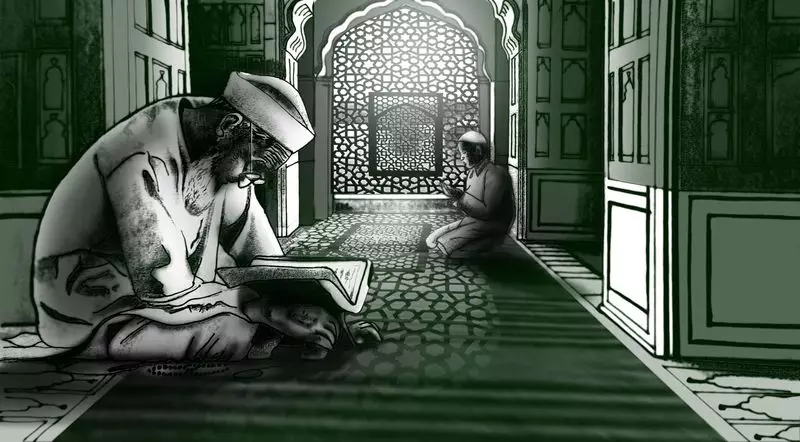
The shrine of Baba Chamliyal Shah, located in Basti Danishmandan, has become a powerful symbol of communal harmony. What makes this site remarkable is that approximately 90% of its visitors are Hindu devotees who come seeking blessings and fulfillment of their wishes. The current caretaker, Mohammed Umar, represents the seventh generation of his family to maintain this sacred space that brings communities together.
Historical records indicate that this unique tradition began around 150 years ago when the shrine was first established. Despite the passage of time and various challenges, the practice has not only survived but thrived, with Hindu visitors outnumbering Muslim devotees significantly. The shrine has become particularly known for fulfilling wishes related to childbirth and family matters, attracting devotees from across religious lines.

The Shrine's Spiritual Significance
Baba Chamliyal Shah, the saint to whom the shrine is dedicated, was known for his spiritual teachings and message of universal brotherhood. His legacy continues to inspire people of all faiths to come together in prayer and contemplation. The shrine's atmosphere is characterized by mutual respect and shared devotion, where differences in religious background become irrelevant in the pursuit of spiritual solace.
Local residents recall numerous instances where both Hindu and Muslim communities have jointly celebrated festivals and supported each other during difficult times. This mutual respect extends beyond the shrine's premises into the daily lives of people in Basti Danishmandan and surrounding areas, creating a social fabric woven with threads of understanding and cooperation.
Modern Relevance and Community Impact
In today's often divided world, the continuing tradition at Baba Chamliyal Shah's shrine serves as a living testament to India's pluralistic heritage. The shrine has not only maintained its religious significance but has also become a symbol of hope for peaceful coexistence. Visitors often speak of the profound sense of peace they experience at the site, regardless of their religious background.
The caretaker family has played a crucial role in preserving this heritage. Mohammed Umar and his ancestors have consistently welcomed devotees from all religions, ensuring that the shrine remains a space where human connection takes precedence over religious labels. This approach has helped the tradition withstand various historical challenges and changing social dynamics.
As word of this unique interfaith practice spreads, the shrine has begun attracting attention from researchers and journalists interested in documenting examples of successful communal harmony. However, for the local community, this is simply their way of life – a natural expression of shared humanity that has been nurtured over generations.
The story of Hindu devotees visiting this Muslim shrine in Jalandhar stands as a powerful reminder that faith can build bridges rather than walls. In a country as diverse as India, such traditions represent the best of its cultural heritage and offer valuable lessons in tolerance and mutual respect for the entire world.