The comforting aroma of ghee-roasted flour and the rhythmic sound of rolling pinni dough, once the defining soundtrack of Haryana's winters, is fading into silence. A profound cultural shift is underway in the state's rural heartlands, where generations-old traditions of preparing seasonal sweets are rapidly disappearing from household kitchens.
The Fading Flavors of a Bygone Era
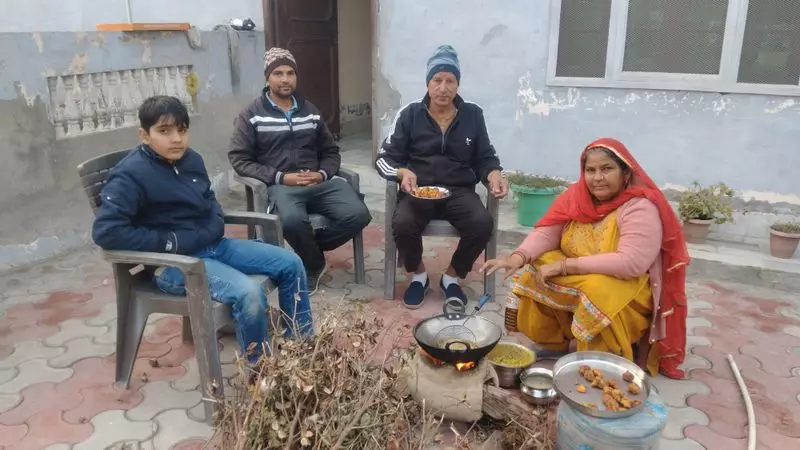
For decades, the onset of the chilly season in villages across districts like Jind, Hisar, and Rohtak triggered a flurry of culinary activity. Women would gather to prepare a variety of nutrient-dense, energy-boosting sweets, central to both family nutrition and social ritual. Iconic treats like pinni (flour and ghee ladoos), panjiri (a mix of whole wheat flour, ghee, sugar, and nuts), and rewri (sesame seed and jaggery brittle) were not just food; they were edible heirlooms.
These sweets were deeply intertwined with the agricultural calendar and family milestones. They were essential during pregnancy and postpartum recovery, given to new mothers for strength. They were distributed during festivals like Lohri and Makar Sankranti, and served to guests as a mark of warmth and hospitality. The preparation was a communal, intergenerational event, where recipes and techniques were passed from mothers to daughters.

Economic and Social Winds of Change
The decline of this tradition is attributed to a confluence of modern factors. A primary driver is changing economic structures and time constraints. With more women joining the formal workforce or engaging in income-generating activities outside the home, the labor-intensive process of making these sweets from scratch has become a luxury few can afford. The hours spent roasting, grinding, and shaping are now often directed toward other pursuits.
Furthermore, the easy availability of commercially produced sweets from local halwais and urban bakeries has provided a convenient alternative. "Why toil for two days when you can buy it from the market?" has become a common sentiment, especially among the younger generation. This shift from homemade to market-bought signifies a deeper change in the valuation of time and domestic labor.
There's also a growing health consciousness, with some viewing these ghee and sugar-laden delicacies as overly rich or unhealthy, opting for lighter or store-bought options perceived as more hygienic. The erosion of joint family systems has further reduced the need for large-batch cooking, diminishing the practical and social impetus for these traditions.
More Than a Recipe Lost: A Cultural Void
The disappearance of these winter sweets represents more than just a change in dietary habits; it signifies the erosion of intangible cultural heritage. The knowledge of sourcing specific ingredients, the precise hand-temperature for mixing, and the seasonal wisdom embedded in these recipes are at risk of being lost forever. The communal bonding and storytelling that accompanied their preparation are fading alongside them.
While some elderly women, like those in villages such as Uchana, still hold on to the practice, they often do so with a sense of melancholy, knowing their daughters may not continue it. The tradition persists mainly during major festivals or specific life events, but its role as a staple of the winter household is nearly over.
This story from Haryana mirrors a broader pattern across India, where globalization, urbanization, and shifting priorities are transforming domestic foodways. The vanishing winter sweets of rural Haryana kitchens are a poignant reminder of the delicate balance between preserving tradition and embracing modernity, leaving behind a silent kitchen and a less flavorful winter.