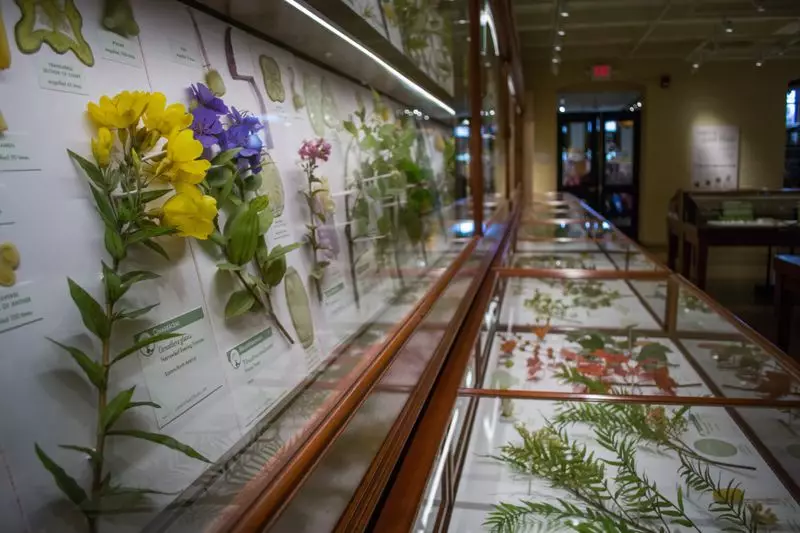
The Glass Flowers of Harvard: A Timeless Fusion of Art and Science
Nestled within the hallowed halls of Harvard University lies one of the most extraordinary collections in the world: the Glass Flowers. This remarkable assemblage, comprising over 4,300 meticulously crafted glass models of plants, stands as a testament to human ingenuity and the enduring quest for knowledge. Created by the masterful hands of Leopold and Rudolf Blaschka, a father-son duo from Germany, these botanical replicas are not merely artistic creations but scientific marvels that have captivated scholars and visitors for generations.
The Blaschka Legacy: Masters of Glass Artistry
The story of the Glass Flowers begins in the late 19th century, when Harvard University sought a solution to a pressing educational challenge. At a time when preserving real plant specimens was fraught with difficulties—such as decay and loss of color—the institution turned to Leopold and Rudolf Blaschka, renowned for their expertise in glassworking. Hailing from a long line of artisans, the Blaschkas possessed an unparalleled ability to manipulate glass into lifelike forms, a skill they had honed through years of crafting intricate marine invertebrates and other natural history models.
Over five decades, from 1887 to 1936, Leopold and Rudolf dedicated themselves to this monumental project. Working from their studio in Dresden, Germany, they employed a combination of traditional glassblowing techniques and innovative methods to create each piece. The process was painstakingly detailed, often involving multiple layers of glass to replicate the delicate textures and vibrant hues of real flora. From the velvety petals of a rose to the intricate veins of a leaf, every element was rendered with astonishing accuracy, making the models indistinguishable from their living counterparts to the untrained eye.

A Scientific Treasure Trove for Botanical Study
Beyond their aesthetic appeal, the Glass Flowers serve a profound scientific purpose. Commissioned by Harvard's Botanical Museum, now part of the Harvard Museum of Natural History, the collection was intended to aid in the study of botany. At a time when photography and other visual aids were limited, these glass models provided an invaluable resource for students and researchers. They allowed for the examination of plant structures in three dimensions, offering insights into morphology, reproduction, and evolution that were otherwise difficult to capture.
The collection encompasses a wide range of species, from common wildflowers to exotic orchids and rare tropical plants. Each model is accompanied by detailed notes on its botanical characteristics, reflecting the Blaschkas' collaboration with Harvard botanists. This synergy between art and science ensured that the models were not only beautiful but also educationally rigorous, preserving the diversity of plant life for future generations. Today, the Glass Flowers remain a cornerstone of Harvard's educational offerings, drawing thousands of visitors annually who marvel at their precision and artistry.
Preserving a Fragile Heritage for the Future
Despite their durability, the Glass Flowers are fragile artifacts that require meticulous care. Harvard University has implemented stringent conservation measures to protect this irreplaceable collection from environmental threats such as light exposure, temperature fluctuations, and physical damage. Specialized display cases and controlled lighting help mitigate these risks, ensuring that the models retain their vivid colors and structural integrity. Conservation efforts also include ongoing research into the materials and techniques used by the Blaschkas, shedding light on their innovative processes and informing modern preservation practices.
The legacy of the Glass Flowers extends beyond Harvard's walls, inspiring artists, scientists, and educators worldwide. Exhibitions and digital initiatives have made the collection accessible to a global audience, highlighting its significance in the history of both art and science. As a symbol of interdisciplinary collaboration, the Glass Flowers remind us of the power of creativity to illuminate the natural world, bridging gaps between disciplines and fostering a deeper appreciation for biodiversity.

In an era where digital technologies dominate, the tactile beauty and historical depth of the Glass Flowers offer a unique perspective on preservation and education. They stand as a poignant reminder of the Blaschkas' dedication and the enduring value of hands-on craftsmanship in an increasingly virtual world. For those who visit Harvard or explore the collection online, the Glass Flowers continue to spark wonder and curiosity, proving that true artistry can transcend time and medium.