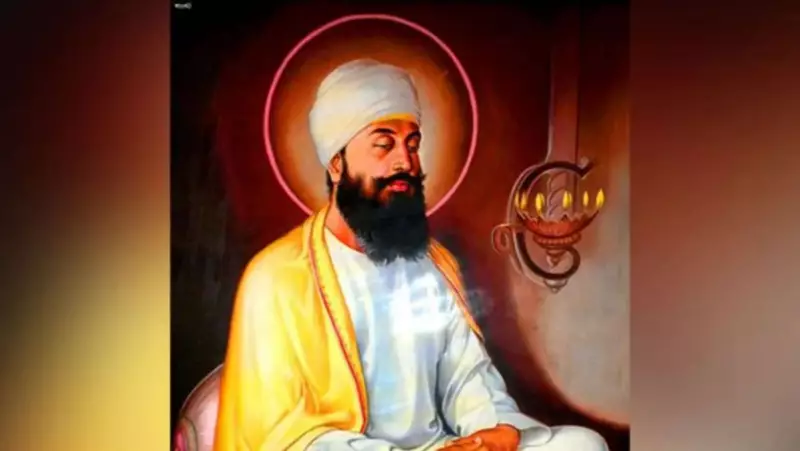
India commemorates the 350th martyrdom anniversary of Guru Tegh Bahadur, the ninth Sikh Guru, whose supreme sacrifice in 1675 became a defining moment in the nation's struggle for religious freedom. This historic event, observed on November 24, 2025, marks three and a half centuries since the Guru gave his life to protect the right of Kashmiri Pandits to practice their religion freely against Mughal emperor Aurangzeb's persecution.
The Historical Context: Aurangzeb's Religious Persecution
During the reign of Emperor Aurangzeb in the 17th century, a systematic campaign of religious persecution targeted non-Muslim communities across the Mughal Empire. The emperor's policies particularly affected Kashmiri Pandits, who faced immense pressure to convert to Islam. In 1675, a delegation of Kashmiri Pandits approached Guru Tegh Bahadur at Anandpur Sahib, seeking his intervention and protection against the forced conversions.
The situation had become increasingly dire for the Kashmiri Hindu community. Aurangzeb's administration had implemented various measures to suppress Hindu religious practices, including the destruction of temples and imposition of religious taxes. The Pandits, representing the intellectual and spiritual leadership of Kashmiri Hindus, saw Guru Tegh Bahadur as their last hope for protection against these oppressive policies.

The Supreme Sacrifice That Defied Tyranny
Guru Tegh Bahadur made a profound decision that would forever change the course of Indian history. He declared that if Emperor Aurangzeb could convince him to convert to Islam, then all Kashmiri Pandits would follow suit. This bold stance directly challenged the Mughal authority and its religious policies. The Guru was subsequently arrested along with his companions and taken to Delhi under Aurangzeb's orders.
Historical accounts detail the severe torture and psychological pressure inflicted upon Guru Tegh Bahadur in an attempt to break his resolve. He was subjected to unimaginable hardships while being imprisoned in a cage, yet he remained steadfast in his commitment to religious freedom. Despite numerous offers of wealth and power in exchange for conversion, the Guru refused to abandon his principles or the cause he was defending.
On November 24, 1675, Guru Tegh Bahadur was publicly executed at Chandni Chowk in Delhi, a site that later became known as Gurdwara Sis Ganj Sahib. The execution was carried out in full public view as a warning to others who might oppose the emperor's religious policies. According to Sikh tradition, even in his final moments, the Guru remained immersed in meditation, embodying the ultimate sacrifice for the protection of religious rights.
Legacy and Contemporary Relevance
The martyrdom of Guru Tegh Bahadur established a powerful precedent for interfaith protection and religious freedom in Indian history. His sacrifice not only saved Kashmiri Pandits from forced conversion but also strengthened the Sikh community's resolve to fight against religious oppression. This event directly influenced the development of the Khalsa by his son and successor, Guru Gobind Singh, who institutionalized the concept of standing against injustice.
The 350th anniversary observance brings renewed attention to Guru Tegh Bahadur's message of protecting the right to religious practice for all communities. In contemporary India, this historical event serves as a reminder of the country's long tradition of religious pluralism and the importance of safeguarding minority rights. Various commemorative events, religious ceremonies, and educational programs are being organized across the country to honor this significant anniversary.
The story of Guru Tegh Bahadur's martyrdom continues to inspire generations about courage, sacrifice, and the defense of fundamental human rights. His legacy remains particularly relevant in today's world, where religious freedom continues to be a pressing concern in many regions. The ultimate sacrifice made three and a half centuries ago continues to echo through time, reminding humanity of the importance of standing against religious persecution in all its forms.