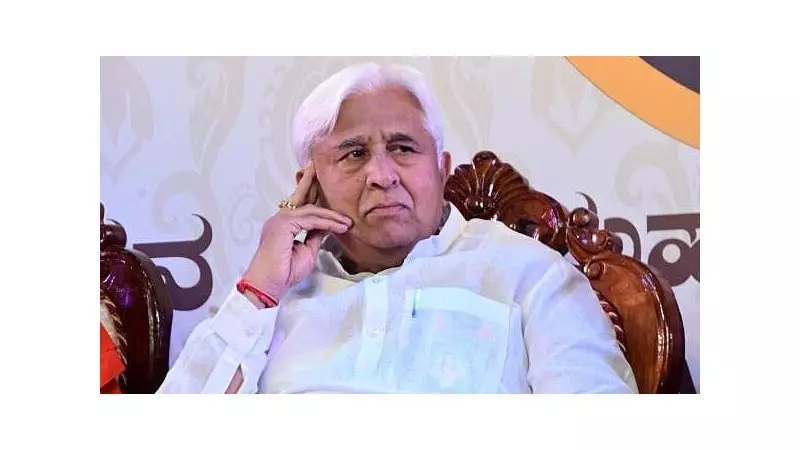
Karnataka's rich prehistoric heritage is set to receive enhanced government stewardship, with the state asserting its role as the primary custodian of these invaluable assets. In a recent interview, Minister H K Patil emphasized the necessity of placing national treasures under official care to ensure their proper conservation and study.
Government Asserts Role as Custodian
Minister for Tourism and Archaeology, H K Patil, has articulated a clear policy direction for the state's ancient sites. He stated that national treasures should be under government care, highlighting the administration's responsibility to protect Karnataka's deep historical legacy for future generations. This statement underscores a commitment to moving beyond mere oversight to active, hands-on preservation.
Active Excavation and Upcoming Work at Lakkundi
The department's plans are already in motion. Excavation work at multiple prehistoric sites across Karnataka is currently ongoing, signaling a proactive approach to uncovering the state's ancient past. A significant development is focused on the historically important site of Lakkundi.

The archaeology department has called for a tender for work at Lakkundi, and the project is scheduled to commence soon following the tender process. This step formalizes the move from planning to physical conservation and exploration at one of the region's key locations.
A Focus on Systematic Conservation
The call for tenders represents a structured, systematic method to undertake the sensitive work of archaeological conservation. By following official procurement procedures, the government aims to ensure that the excavations and preservation efforts at Lakkundi and other sites meet professional and scientific standards. This approach aligns with the minister's vision of providing dedicated, professional care for sites deemed to be of national importance.
The developments, reported on 27 December 2025, mark a concerted push by the Karnataka government to secure and study its prehistoric heritage. The focus on Lakkundi, coupled with ongoing work elsewhere, points to a broader campaign to map, excavate, and preserve the physical evidence of the region's earliest chapters, ensuring these national treasures are not lost to time or neglect.