Goa Devotee's Haunting Memories of Shirgao Stampede Raise Safety Concerns
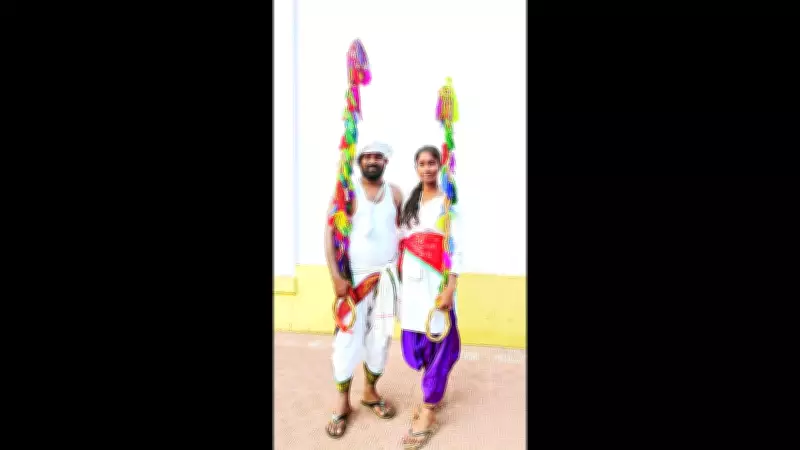
For over two decades, Urvesh Kauthankar from Tivim has faithfully participated as a dhond in the goddess Lairai's jatra at Shirgao, observing fasts as part of his devotion. However, the events of May 2025 have left an indelible scar on his mind, as he continuously replays the administrative failures that led to tragedy.
Personal Loss and Trauma
Urvesh experienced profound personal loss during the stampede, with his aunt and a second cousin losing their lives. A teenage cousin sustained serious injuries, adding to the family's anguish. He vividly recalls the chaotic scene, emphasizing that warning signs were glaringly apparent long before the disaster unfolded.
"There were barely any police personnel at the site that night, even though it is known that thousands of dhonds would be walking towards the homkhund at that time," Urvesh states. "Police personnel were placed so far apart that when they saw the stampede begin, they knew they could not prevent it, and we saw them stepping aside."

Questioning State Preparations
Despite his deep faith, Urvesh remains unconvinced about the state's readiness for this year's jatra. He is among 115 dhonds from Saurakwaddo, Tivim—one of the highest numbers from a single ward—currently fasting at a local temple in preparation. While he plans to return, last year's trauma casts a shadow over his confidence.
He criticizes the reliance on technology over practical interventions. "Last year, the police said they had drones monitoring the venue. This year, they are saying there is a network of CCTVs. However, these cannot be used to intervene in an untoward situation. These systems can only help find the cause once the damage is done," he explains.
Overcrowding and Infrastructure Failures
Urvesh highlights severe overcrowding along the route to the homkhund, exacerbated by commercial interests. He suggests that competition within the temple committee over revenue led to indiscriminate stall placements along the narrow, steep path where devotees walk.
"During the stampede, I saw a friend fall on choppers laid out at a stall selling sharp objects in such a congested space," he recounts, underscoring the dangerous conditions.
He narrowly escaped himself by being among the first to reach the homkhund. The aftermath revealed the brutality of the incident; after a postmortem, doctors informed his family that his second cousin, Aditya, had suffered a completely fractured ribcage.
Broader Accountability and Faith Tested
Urvesh believes accountability extends beyond the temple administration and police. "You cannot blame the administration of the temple and the police alone. There is a lack of discipline among the devotees, too," he admits, acknowledging that the tragedy has shaken his faith.
He expresses understanding for victims' families choosing to stay away this year, noting the emotional toll. The stampede's impact was compounded by logistical failures, such as victims being transported to hospitals in police vans due to ambulances' inability to access the venue.
As the community prepares for another jatra, Urvesh's story serves as a poignant reminder of the need for improved safety measures, better crowd management, and a balance between tradition and security to prevent future tragedies.